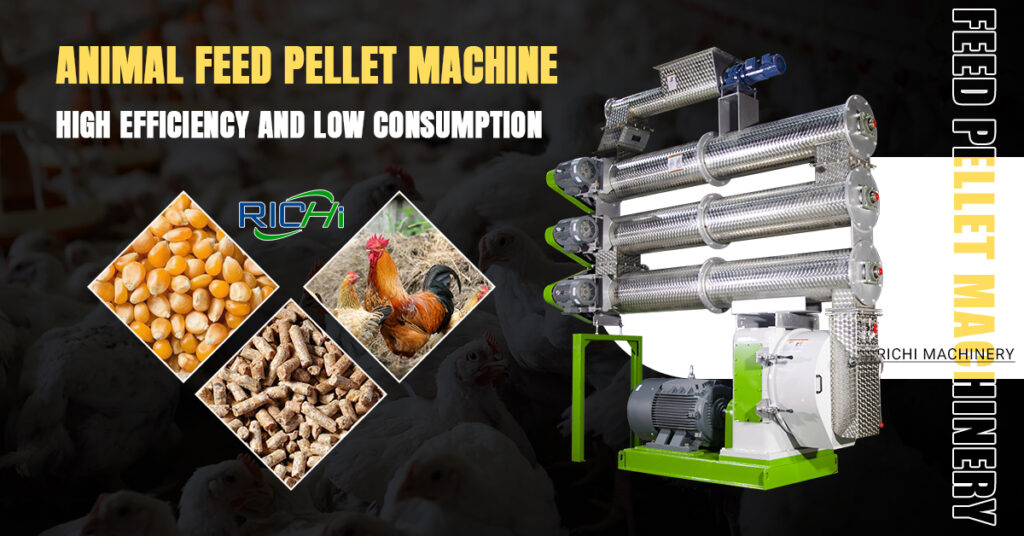
Introduction to Chicken Feed Making Machines
A chicken feed pellet making machine generally refers to mechanical equipment designed to process raw agricultural ingredients into nutritionally balanced feed for chickens. These machines are widely used in poultry farms, commercial feed mills, and integrated agribusiness operations. Their primary function is to convert powdered or mixed feed materials into uniform pellets or crumbles that are easy for chickens to consume and digest.
The widespread adoption of chicken feed making machines reflects the modernization of poultry production systems. As global demand for poultry meat and eggs continues to grow, efficient feed processing has become a key factor in improving productivity and maintaining consistent feed quality.
Historical Development of Poultry Feed Processing
In early poultry farming, chickens were commonly fed whole grains, kitchen scraps, or simple mash feeds. While these methods were sufficient for small-scale production, they often resulted in uneven nutrient intake and low feed efficiency.
The introduction of mechanical feed processing in the 20th century marked a turning point in poultry nutrition. Feed pelleting technology, initially developed for livestock, was gradually adapted for poultry feed production. Over time, specialized chicken feed making machines emerged, capable of producing pellets and crumbles tailored to different growth stages, such as starter, grower, and finisher feeds.
Basic Structure of a Chicken Feed Making Machine
A typical chicken feed making machine consists of several interconnected components, each playing a specific role in the feed production process.
Feeding and Metering System
This system regulates the flow of raw materials into the processing chamber. Stable feeding ensures consistent machine performance and uniform feed output.
Processing and Pelletizing Unit
The core of the machine is the pelletizing or forming unit, where feed materials are compressed through a die using rollers. Pressure and friction generate heat, allowing the feed particles to bind together naturally.
Drive and Transmission System
Motors, gearboxes, and belts provide the mechanical power required for continuous operation. Reliable transmission systems contribute to stable output and reduced downtime.
Types of Chicken Feed Making Machines
Chicken feed making machines for sale are available in various designs, each suited to different production scales and operational needs.
Flat Die Feed Machines
Flat die machines are commonly used by small farms and local feed producers. They are compact, easy to operate, and suitable for moderate production volumes.
Ring Die Feed Machines
Ring die machines are widely used in industrial feed mills. They offer higher capacity, improved pellet quality, and longer service life, making them ideal for commercial poultry feed production. Manufacturers such as RICHI provide ring die chicken feed machines designed for continuous and large-scale operation. https://richipelletizer.com/chicken-feed-pellet-making-machine/
Raw Materials Commonly Used in Chicken Feed
Chicken feed making machines are designed to handle a wide range of raw materials, allowing flexibility in feed formulation.
Common ingredients include:
Corn, wheat, and sorghum as primary energy sources
Soybean meal and rapeseed meal as protein sources
Bran and agricultural by-products
Oils and fats for energy density
Vitamin and mineral premixes for balanced nutrition
Proper grinding and mixing of these ingredients are essential for producing high-quality chicken feed.
Pellet and Crumble Feed Forms
Chicken feed can be produced in different physical forms depending on the age and purpose of the birds.
Pelleted Feed
Pellets are cylindrical feed particles that reduce feed waste and improve feed intake efficiency. They are commonly used for broilers and mature layers.
Crumbled Feed
Crumbles are produced by crushing pellets into smaller particles. They are ideal for young chicks, as they are easier to consume and digest.
Chicken feed making machines are often integrated with crushing or crumbling systems to accommodate these different feed forms.
Nutritional and Operational Benefits
The use of a chicken feed making machine offers multiple advantages in poultry production.
Improved Feed Efficiency
Pelletized feed minimizes selective feeding and ensures consistent nutrient intake across flocks.
Enhanced Digestibility
Heat and pressure during processing improve starch gelatinization, making nutrients more accessible to chickens.
Reduced Feed Loss
Pellets and crumbles are less prone to spillage compared to loose mash, improving overall feed utilization.
Applications in Poultry Production Systems
Chicken feed making machines are used in various poultry production contexts.
Broiler Production
Fast-growing broilers benefit from high-energy pelleted feed that supports rapid weight gain and efficient feed conversion.
Layer Farming
Layer hens require balanced feed formulations to support egg production, shell quality, and long-term health. Full Article
Breeder Operations
Breeder flocks rely on precisely formulated feed to maintain reproductive performance and chick quality.
Global Market and Trade Perspective
The global poultry industry has expanded rapidly, driving demand for efficient feed processing equipment. A chicken feed making machine for sale is often exported to regions with growing poultry sectors, including Asia, Africa, and South America.
International suppliers such as RICHI Machinery participate in this global market by offering machines that meet diverse production requirements and technical standards. Trade in poultry feed equipment supports the development of local feed manufacturing capacity and reduces reliance on imported feed products.
Installation and Operating Considerations
Successful operation of a chicken feed making machine depends on proper installation and management.
Key considerations include:
Adequate power supply and electrical protection
Stable machine foundation
Proper raw material preparation
Operator training and safety procedures
Attention to these factors helps ensure stable performance and consistent feed quality.
Maintenance and Equipment Longevity
Routine maintenance is essential for extending the service life of a chicken feed making machine.
Maintenance practices typically involve:
Regular inspection of dies and rollers
Lubrication of bearings and transmission components
Monitoring of motor load and operating temperature
Timely replacement of worn parts
Well-maintained machines can operate reliably for many years under continuous production conditions.
Environmental and Sustainability Considerations
Modern chicken feed making machines are increasingly designed with environmental efficiency in mind. Improved energy utilization, reduced dust emissions, and optimized material flow contribute to more sustainable feed production.
The ability to process locally available grains and agricultural by-products further supports environmentally responsible poultry farming.
Factors to Consider When Purchasing
When evaluating a chicken feed making machine for sale, buyers typically assess:
Required production capacity
Target poultry species and growth stage
Available raw materials
Energy consumption and operating cost
Technical support and spare parts availability
Careful evaluation helps ensure that the selected machine aligns with long-term production goals.
Conclusion
A chicken feed making machine for sale is a vital component of modern poultry production systems. By enabling efficient processing of raw ingredients into nutritionally balanced feed, these machines support improved productivity, reduced feed waste, and consistent flock performance. As global poultry production continues to expand, chicken feed making machines will remain an essential technology in the feed processing industry. Chicken feed line in uzbekistan