






Commercial Feed Mill

How to Plan a Cattle Feed Plant Project

Planning a cattle feed plant project requires careful consideration of production capacity, raw materials, feed formulas, processing technology, equipment selection, factory layout, automation, investment, and future expansion. A well-planned project can improve production efficiency, maintain consistent feed quality, and make it easier to manage operating costs. A modern feed factory may produce feed for dairy…

Read Full News
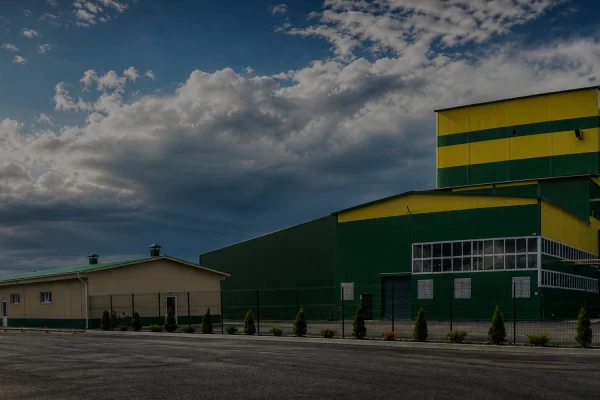
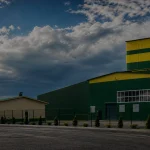
Premixed feed production line project, exterior view of complete automatic animal premix feed mill factory building

How Is Quality Premix Feed Produced Efficiently?

How Is Quality Premix Feed Produced Efficiently? Producing balanced animal feed is not simply a matter of mixing several raw materials together. Modern livestock and poultry production requires carefully controlled nutrition, accurate ingredient dosing, consistent mixing, and reliable quality management. This is especially true when producing premixes, where vitamins, minerals, amino acids, additives, and other…

Read Full News

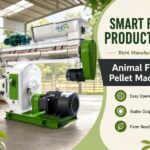
Designing a Large-Scale Livestock Feed Production Line

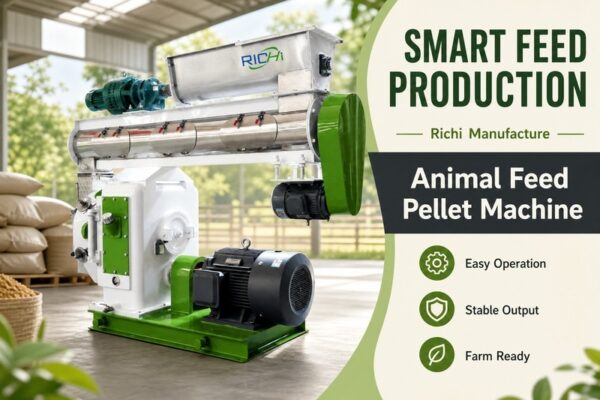
Large-scale livestock feed production requires careful coordination between equipment and infrastructure. Increasing the size of the pellet mill alone is not enough to achieve higher factory output. Grinding, mixing, conditioning, cooling, screening, storage, conveying, and packing must all support the target production rate. A large scale animal feed pellet machine is therefore normally incorporated into…

Read Full News
Goat Feed Pellet Making Machine

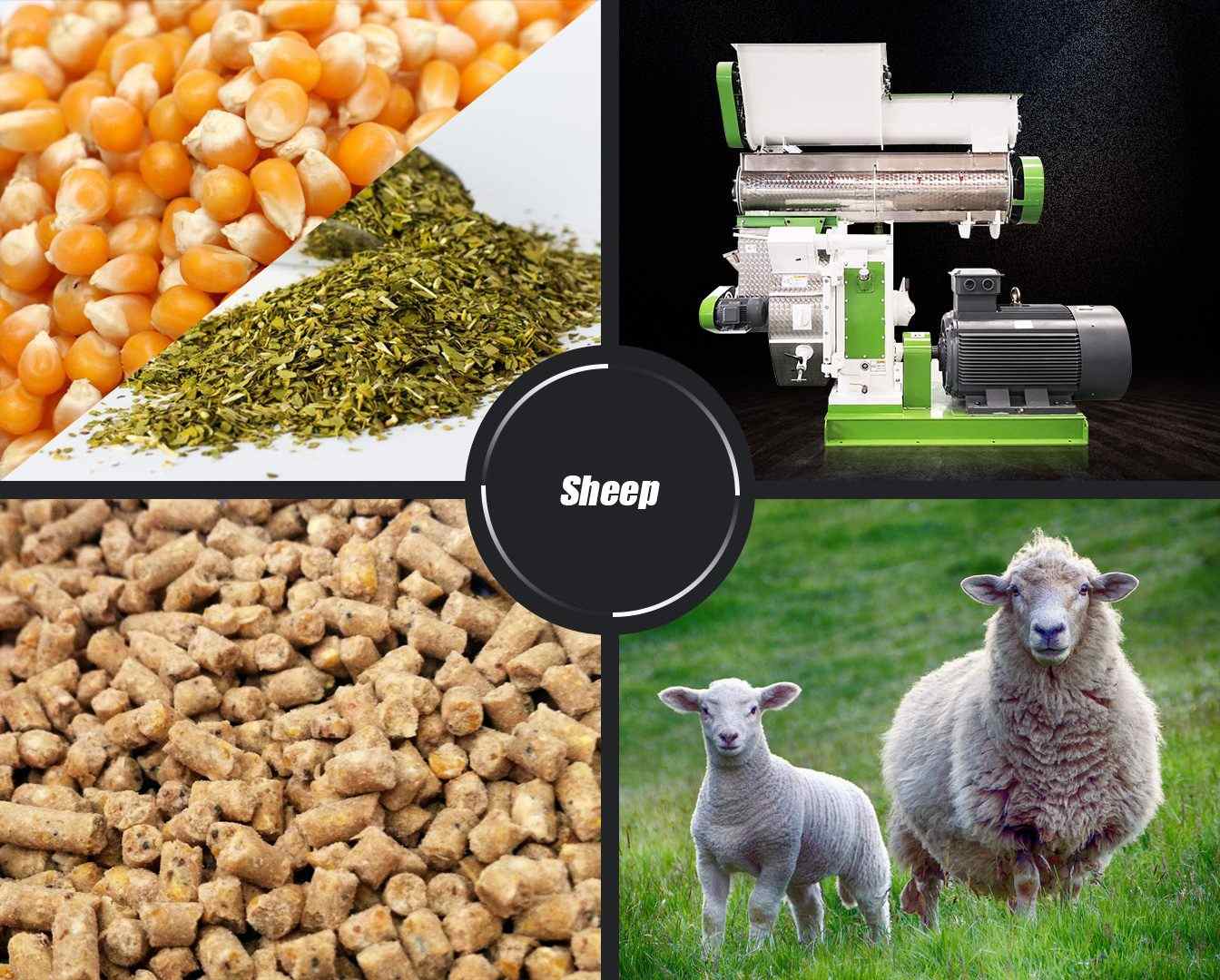
How to Make Goat & Sheep Feed Pellets Step by Step

Goats and sheep are important livestock animals raised for meat, milk, breeding, fiber, and other agricultural products. Regardless of the production purpose, proper nutrition is essential for maintaining animal health and achieving good farm performance. Forage is usually the foundation of feeding programs for these ruminants, but forage alone may not always provide sufficient energy,…

Read Full News

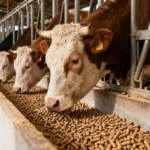
Why Animal Feed Pellets Are So Important for Livestock Growth

Livestock farming plays an essential role in global agriculture by providing meat, milk, eggs, wool, and other valuable products. The success of livestock production depends on many factors, including animal genetics, farm management, environmental conditions, and especially feed quality. Among all production inputs, feed is one of the most important factors because it directly affects…

Read Full News

What Does It Take to Produce Consistent Rabbit Feed Pellets?

Rabbit production depends heavily on consistent nutrition. While hay and forage remain important components of rabbit diets, formulated pellets can provide a convenient way to deliver a balanced combination of fiber, energy, protein, minerals, and other nutrients. For farms that want to produce their own feed, granulation can turn a loose mixture into compact, easier-to-handle…

Read Full News

Why Are More Agricultural Businesses Investing in Alfalfa Pellet Technology?

Introduction: A New Opportunity in the Forage Feed Market The agricultural industry is constantly looking for better ways to improve resource utilization, reduce production costs, and create higher-value products. Among different forage crops, alfalfa remains one of the most important feed resources because of its rich protein content, balanced nutrition, and excellent palatability for livestock….

Read Full News
animal feed pellets

Why Animal Feed Pellets Are Important for Livestock Growth

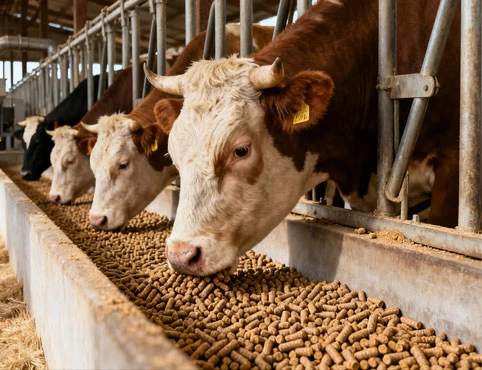
In modern animal husbandry, nutrition is the foundation of productivity. Whether raising poultry, cattle, sheep, pigs, fish, or small animals like rabbits, the quality and form of feed directly influence growth rate, health status, and overall farm profitability. Among all feeding methods, animal feed pellets have become the most widely adopted solution in commercial farming…

Read Full News

    * We understand that privacy is important to you, so we will only answer the questions you ask and will not disclose your information to third parties.