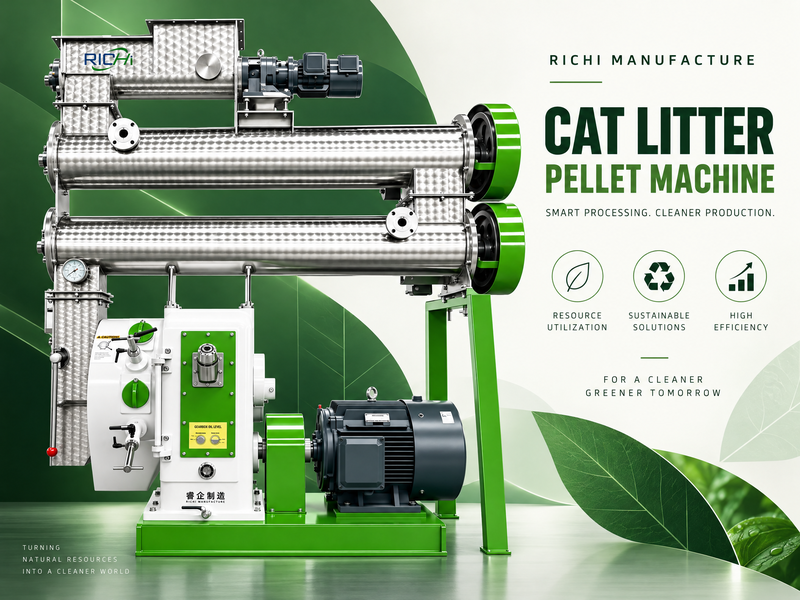
What Determines the Cost of a Cat Litter Manufacturing Project?
Look Beyond the Initial Equipment Quotation Investing in a cat litter factory involves more than…
Look Beyond the Initial Equipment Quotation Investing in a cat litter factory involves more than…
Rabbit feed costs rarely stay flat. Grain prices move with the harvest. Protein meals follow…
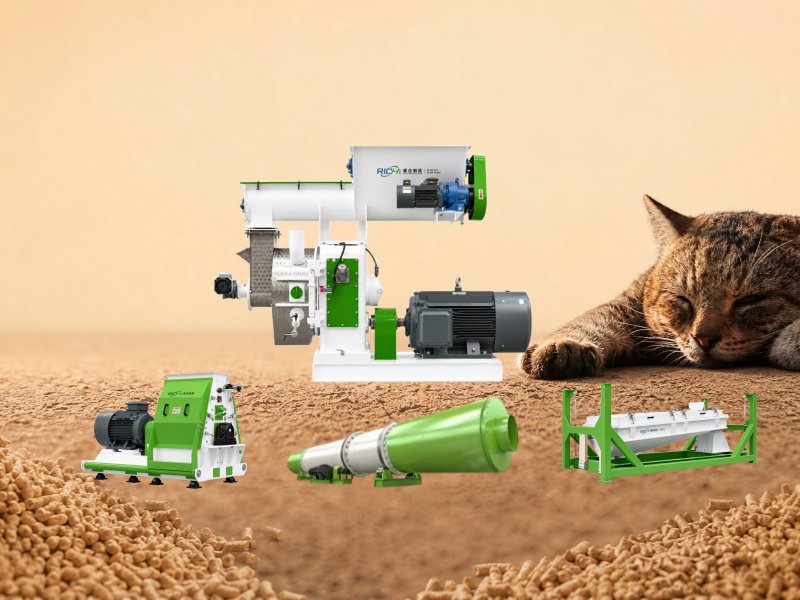
Moisture Is a Process Variable, Not Just a Final Specification When people evaluate sawdust cat…

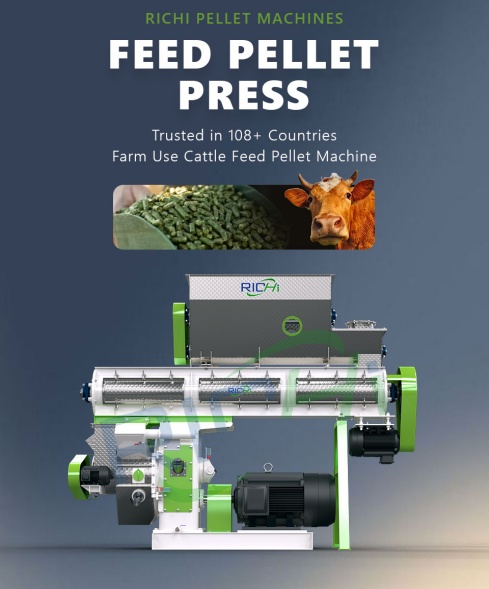
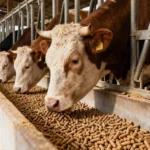
Planning a cattle feed plant project requires careful consideration of production capacity, raw materials, feed…
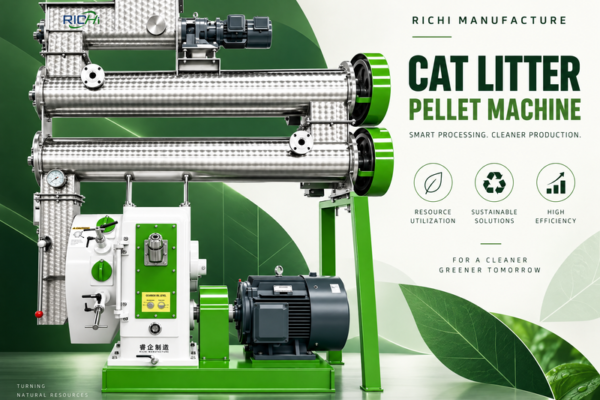
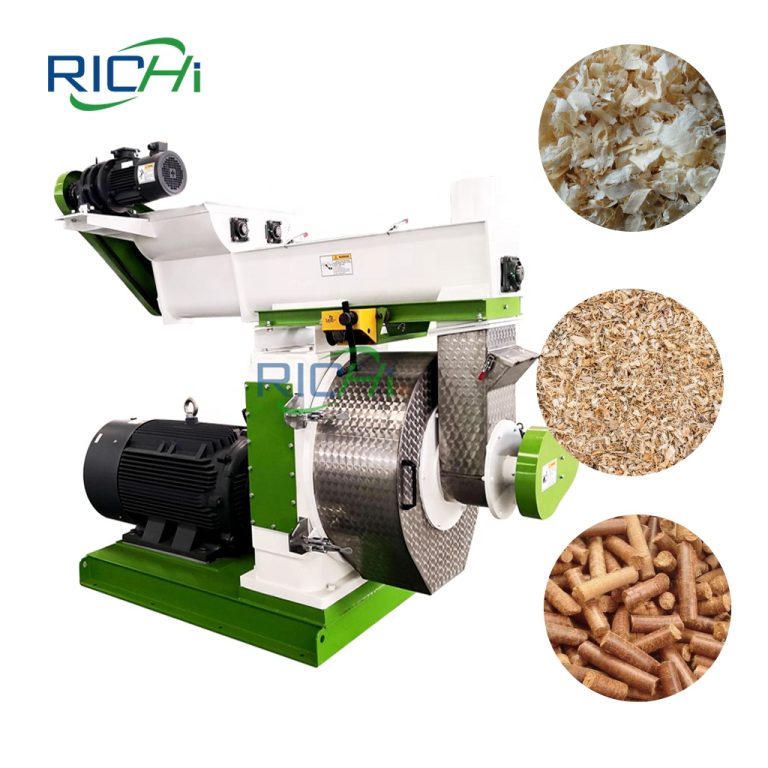
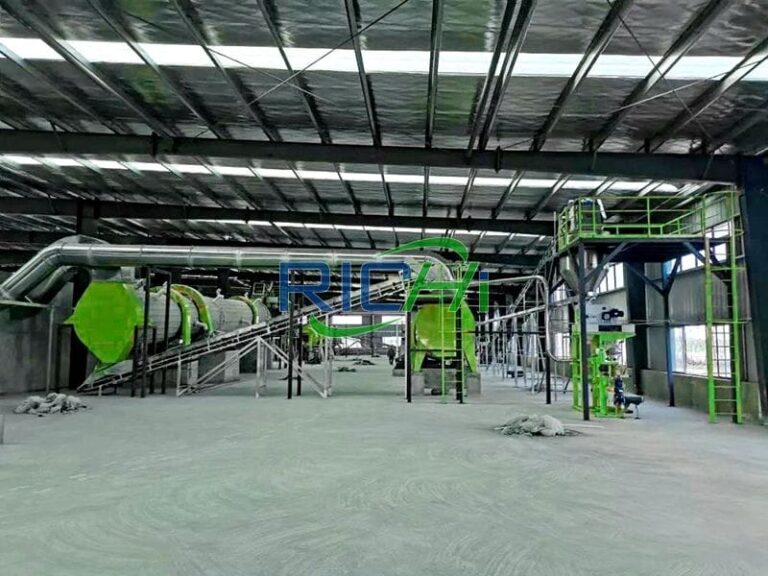
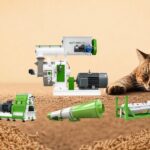
Look Beyond the Initial Equipment Quotation Investing in a cat litter factory involves more than purchasing the main production machine. The total budget may include raw material preparation, mixing, drying, conveying, cooling, screening, packaging, installation, electrical work, and other site-specific requirements. A cat litter pellet machine may be the central forming unit, but the surrounding process…
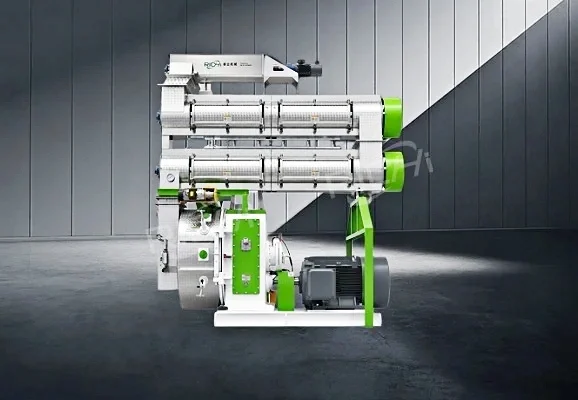
Rabbit feed costs rarely stay flat. Grain prices move with the harvest. Protein meals follow global markets. Even hay and fiber sources can swing sharply when weather cuts into yields. For farms that buy finished pellets, every price increase goes straight to the bottom line. For farms that mix their own feed, there is at…

Moisture Is a Process Variable, Not Just a Final Specification When people evaluate sawdust cat litter, they often focus on visible characteristics such as shape, color, size and cleanliness. Manufacturers, however, need to look deeper. Moisture influences how the material behaves before forming, during compression, after drying and during packaging. This makes moisture one of…

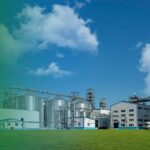
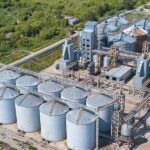
Planning a cattle feed plant project requires careful consideration of production capacity, raw materials, feed formulas, processing technology, equipment selection, factory layout, automation, investment, and future expansion. A well-planned project can improve production efficiency, maintain consistent feed quality, and make it easier to manage operating costs. A modern feed factory may produce feed for dairy…
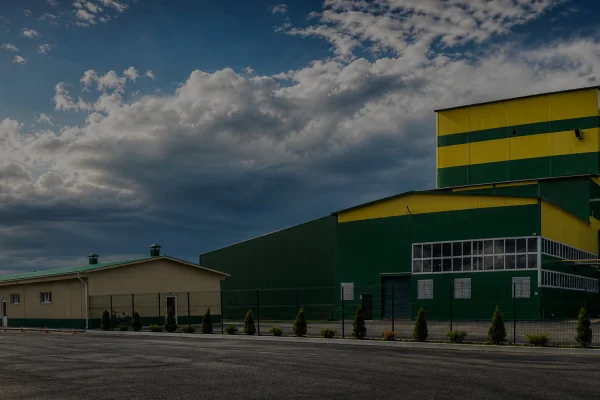
How Is Quality Premix Feed Produced Efficiently? Producing balanced animal feed is not simply a matter of mixing several raw materials together. Modern livestock and poultry production requires carefully controlled nutrition, accurate ingredient dosing, consistent mixing, and reliable quality management. This is especially true when producing premixes, where vitamins, minerals, amino acids, additives, and other…
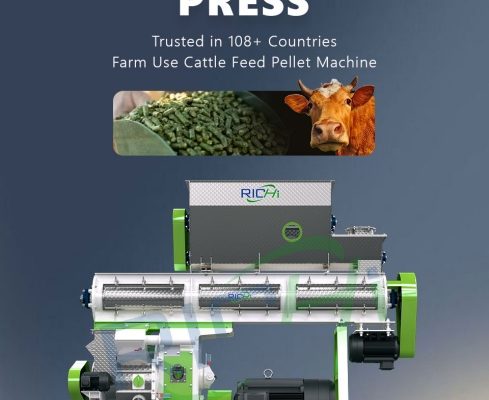
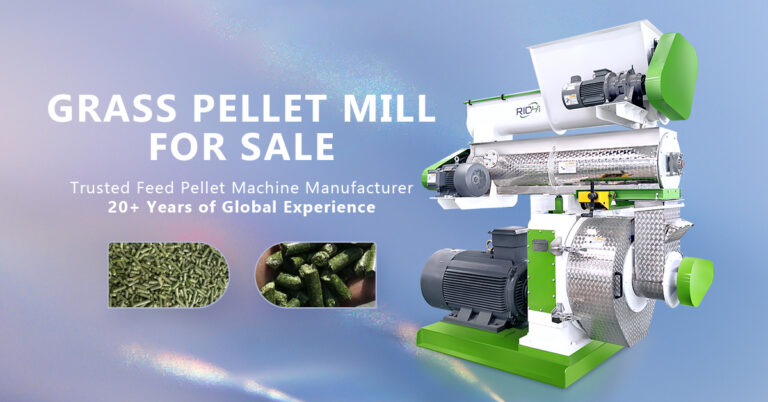
The investment required for alfalfa pellet production depends on the complete processing system rather than the pellet mill alone. Raw material condition, production capacity, moisture content, drying requirements, and automation can all affect the final equipment cost. For farms, forage suppliers, and commercial feed producers, understanding these factors before purchasing equipment can make budget planning…
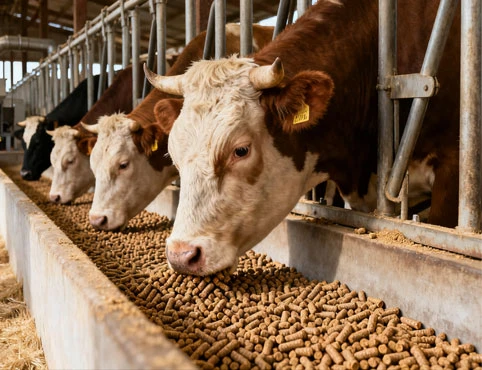
Cattle farms have different feeding requirements depending on herd size, cattle type, production goals, available raw materials, labor conditions, and local climate. A small family farm may need a simple feed preparation system, while a commercial dairy or beef operation may require a highly automated feed production line capable of processing several tons of feed…
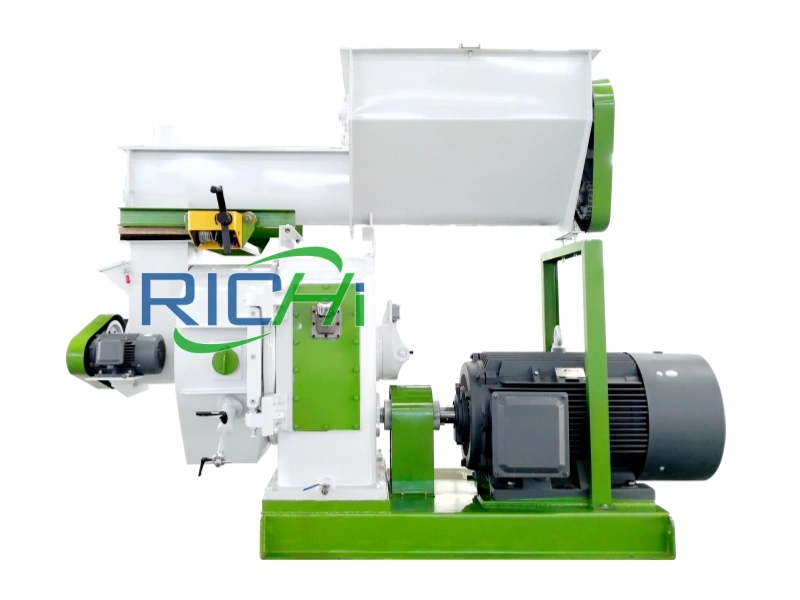
Harvest is a busy time. The combine rolls through, the grain trucks pull away, and the field is left with stubble and swath. For many farmers, that leftover straw is a nuisance. It has to be baled, moved, stored, or burned. In some regions, burning is banned because of air quality. In others, it’s still…
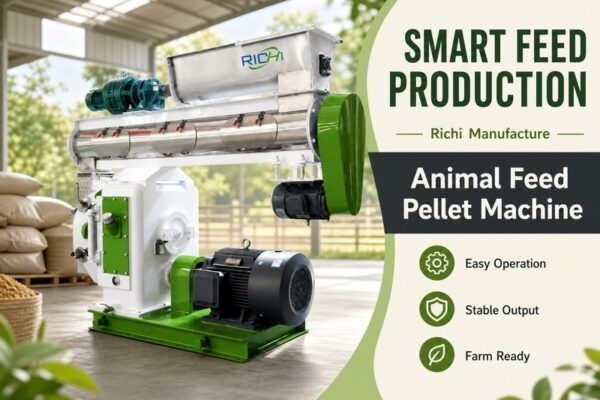
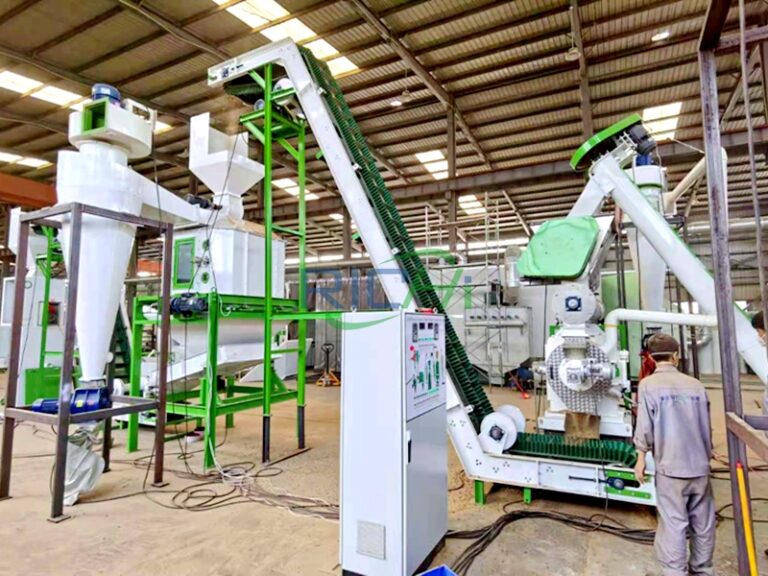
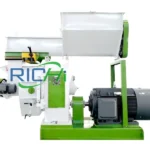
Large-scale livestock feed production requires careful coordination between equipment and infrastructure. Increasing the size of the pellet mill alone is not enough to achieve higher factory output. Grinding, mixing, conditioning, cooling, screening, storage, conveying, and packing must all support the target production rate. A large scale animal feed pellet machine is therefore normally incorporated into…
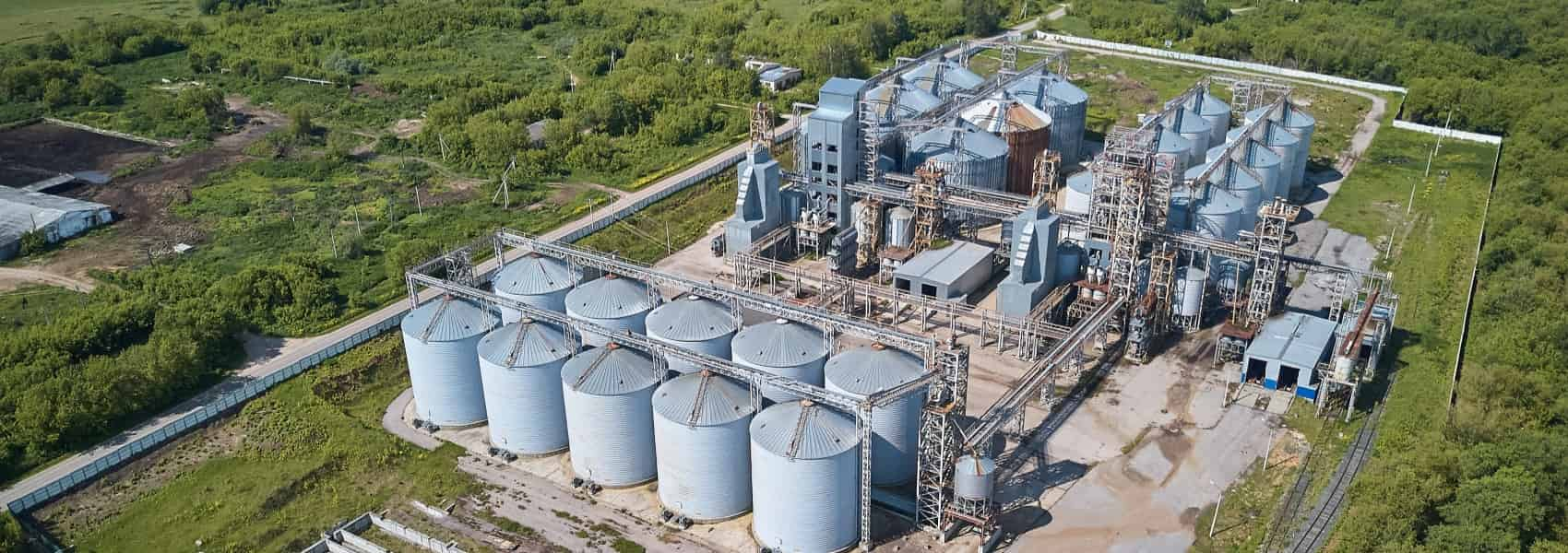
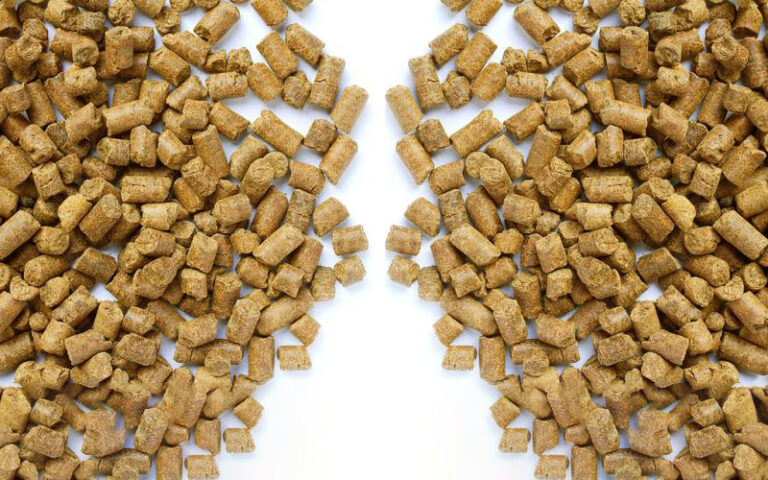
When a pellet plant must produce several pellet sizes, the project should be planned around changeover frequency, die selection, product separation, capacity loss during setup, and the quality requirements of each size. A single pellet mill can often make multiple diameters, but the complete line must be designed so that changing from one product to…