
Introduction: The Rising Demand for Grass-Based Pellets
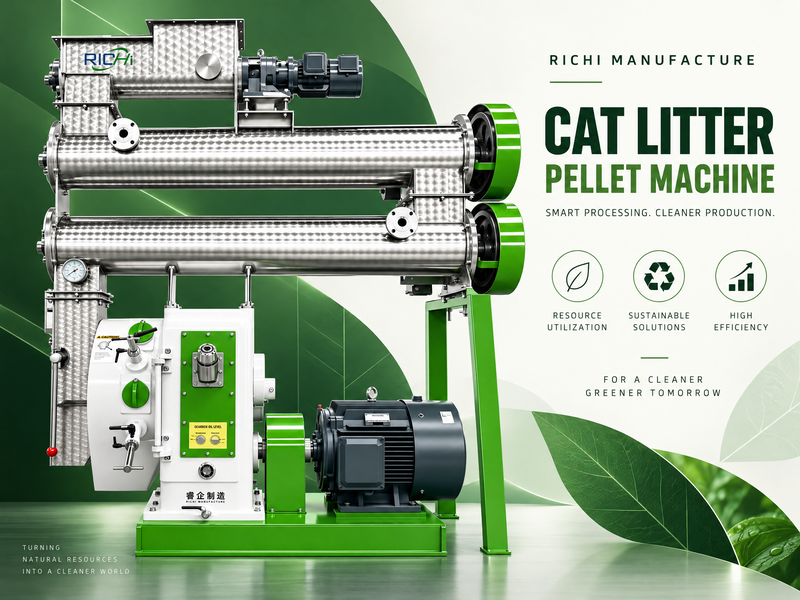
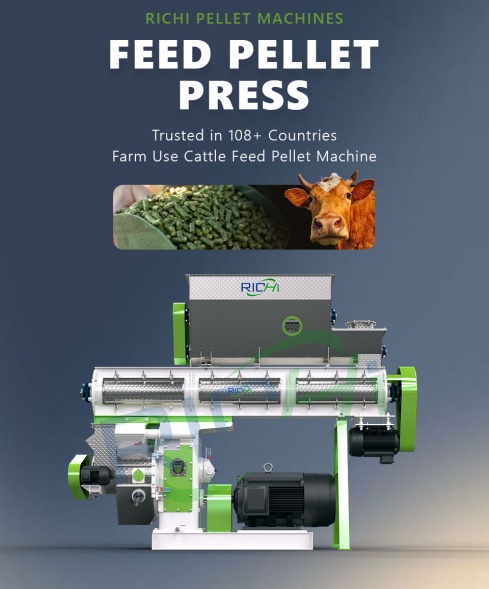
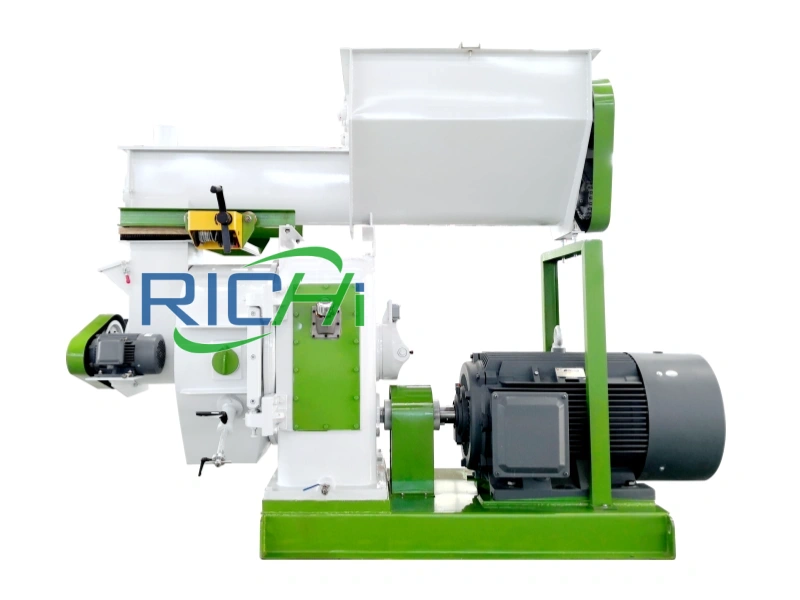
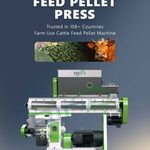
The shift toward cleaner energy sources has created a booming market for biomass fuels. Among the many feedstocks available, grass stands out for its rapid growth cycle, wide availability, and relatively low cultivation cost. At the heart of any grass-to-fuel operation sits the grass pellet maker — the machine that converts loose fibrous material into compact, energy-dense pellets.
Whether you are processing switchgrass, miscanthus, timothy, or common lawn grass, a well-chosen pellet maker can dramatically increase the commercial value of your harvest. This guide explores how to select the right machine, integrate it into a larger production facility, and leverage a reliable pelletizer for consistent output quality.
Key Features to Look for in a Grass Pellet Maker
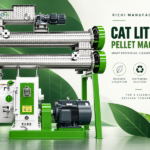
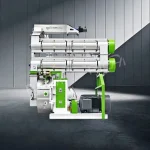
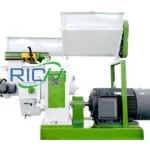
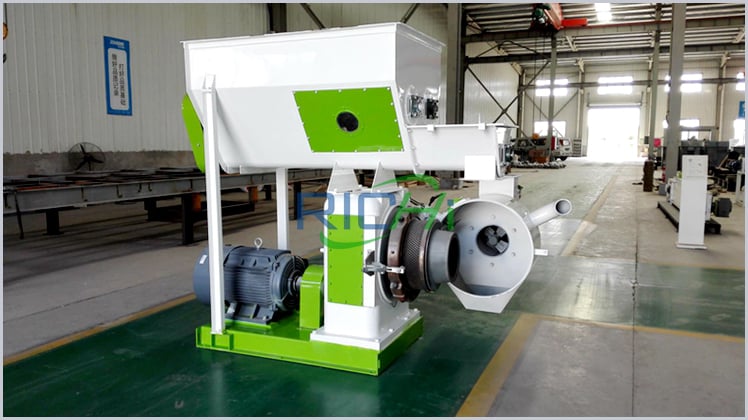
Not all grass pellet maker units are alike. When evaluating options, focus on die specification (ring die vs. flat die), motor power, throughput capacity (kg/h or t/h), and pellet diameter options. Ring die machines generally deliver higher throughput and more uniform pellets, making them ideal for commercial operations.
Additionally, assess the machine’s ability to handle varying moisture content in the feedstock, the ease of die and roller replacement, and the availability of spare parts. Downtime in a production facility is costly, so robust construction and readily available components matter as much as initial purchase price.
Integrating Your Grass Pellet Maker into a Biomass Pellet Plant
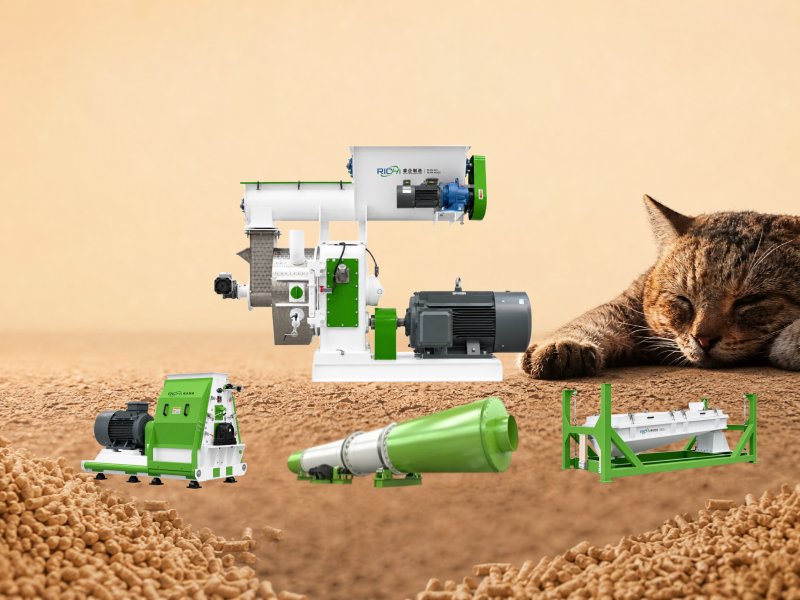
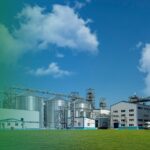
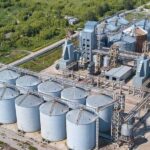
A standalone grass pellet maker is only one component of a fully integrated biomass pellet plant. To achieve consistent, high-quality output at commercial scale, the pellet press must be surrounded by complementary systems: raw material conveyors, hammer mills or chippers for particle size reduction, rotary drum dryers for moisture control, cooling towers, vibrating screens, and automated bagging or bulk loading equipment.
The plant layout should minimize material handling distances, ensure a smooth gravity-fed or belt-conveyed flow from one process stage to the next, and include sufficient storage silos for both raw material and finished pellets. Proper design at this stage prevents costly retrofits later.
The Role of a Pelletizer in Quality Control
The pelletizer — another term commonly used for the pellet press — is where the final product is formed. Its performance determines pellet hardness, density, moisture content, and dimensional consistency, all of which affect marketability and combustion efficiency.
Modern pelletizers feature variable frequency drives that allow operators to fine-tune roller speed and compression ratio, adapting to different feedstocks without mechanical adjustments. Some models also incorporate automatic lubrication systems and temperature sensors in the die to prevent overheating and premature wear.
Finding the Right Supplier: Look Here Before You Decide
Before committing to a purchase, look here — review independent case studies, client testimonials, and third-party performance data for any grass pellet maker or pelletizer you are considering. A reputable supplier will provide factory acceptance test reports, reference plant contact details, and detailed commissioning plans.
Visiting an operating reference plant is strongly recommended for large investments. Seeing the equipment run at full capacity under real production conditions gives you far more confidence than any brochure or sales presentation.
A properly selected grass pellet maker, integrated within a well-designed biomass pellet plant and equipped with a high-performance pelletizer, can deliver a strong return on investment within two to four years depending on feedstock costs and local energy prices.
https://www.richimanufacture.com/biomass-pellet-making-machine/