The biomass industry has changed dramatically over the last decade. What was once considered a niche market focused mainly on agricultural waste disposal has evolved into a global sector supplying renewable fuel, industrial heating solutions, power generation facilities, and environmentally friendly animal bedding products.
As governments continue to encourage sustainable energy development, manufacturers, investors, and agricultural enterprises are looking for technologies that can maximize raw material utilization while maintaining stable production efficiency. One of the most important decisions in any biomass project is selecting equipment capable of handling a wide range of feedstocks while delivering consistent pellet quality.
Many project developers discover that equipment selection has a greater impact on profitability than the price of raw materials themselves. Production efficiency, maintenance costs, energy consumption, and final pellet quality all influence long-term returns.
Modern pellet production requires more than simply compressing biomass into a cylindrical shape. Today’s market demands durable pellets with low moisture content, high density, and reliable combustion characteristics.
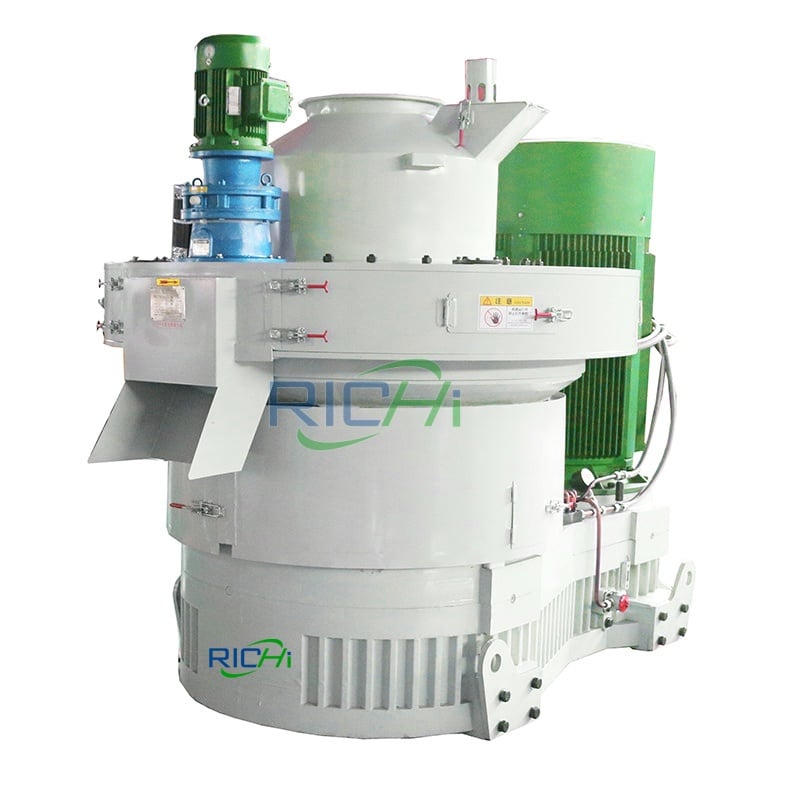
One technology that has attracted increasing attention is the Vertical ring die pellet machine. Unlike conventional designs, this equipment offers unique advantages for challenging biomass materials and large-scale industrial applications.
The Changing Nature of Biomass Feedstocks
Not all biomass materials behave the same during pelletization.
Softwood sawdust may compress relatively easily, while hardwood residues, crop stalks, bamboo waste, peanut shells, and forestry by-products often present significant processing challenges.
Many producers now blend multiple feedstocks to reduce production costs and improve supply stability. While this approach makes economic sense, it also creates greater demands on pelletizing equipment.
A production system must be capable of processing varying moisture levels, particle sizes, and fiber structures without sacrificing pellet quality.
This is one reason why more manufacturers are evaluating equipment such as the 5 tph vertical wood pellet machine, which can maintain stable operation under fluctuating material conditions.
Beyond Fuel Production
Biomass pellets are no longer limited to fuel applications.
Today, pelletized biomass serves multiple industries:
- Residential heating
- Industrial boilers
- Biomass power plants
- District heating networks
- Animal bedding
- Cat litter manufacturing
- Organic fertilizer production
These diversified applications have created new opportunities for producers seeking higher profit margins.
For example, animal bedding pellets often command premium prices due to their absorbency and low dust content. Similarly, cat litter products made from wood fibers have become increasingly popular among environmentally conscious consumers.
Businesses entering these markets frequently require flexible production systems rather than equipment optimized for only one application.
Factors That Influence Project Success
When evaluating a biomass project, investors often focus heavily on equipment purchase costs.
However, experienced operators understand that operational efficiency plays a much larger role over the lifespan of a facility.
Key considerations include:
- Equipment durability
- Energy consumption
- Maintenance frequency
- Spare parts availability
- Production stability
- Material adaptability
Selecting the right pellet mill can significantly reduce downtime and improve overall production efficiency.
A machine that operates reliably for thousands of hours each year often delivers substantially higher returns than a cheaper alternative requiring frequent maintenance.
Raw Material Flexibility Creates Competitive Advantages
Feedstock availability varies greatly by region.
In some areas, sawdust may be abundant and inexpensive. In others, agricultural residues provide the primary biomass resource.
Successful pellet producers often develop flexible procurement strategies that allow them to switch between materials based on seasonal availability and market pricing.
Equipment capable of handling multiple feedstocks gives operators more purchasing power and reduces dependence on any single raw material source.
This flexibility can be especially valuable during periods of supply chain disruption or seasonal shortages.
Automation Is Reshaping Production Facilities
Modern pellet plants increasingly rely on automation to improve efficiency and reduce labor costs.
Automated feeding systems, moisture monitoring equipment, intelligent control systems, and remote diagnostics help operators maintain consistent production quality.
Many new projects integrate advanced monitoring systems from the beginning, allowing managers to track production metrics in real time.
Companies planning future expansion often choose equipment supplied by experienced manufacturers such as Richi manufacture, whose engineering teams can support integrated production line development.
Sustainability Drives Market Growth
Environmental concerns continue to influence purchasing decisions worldwide.
Consumers, businesses, and governments increasingly favor renewable products that reduce reliance on fossil fuels.
Biomass pellets contribute to sustainability by utilizing materials that might otherwise become waste.
Forestry residues, sawmill by-products, crop stalks, and agricultural waste streams can all be converted into valuable products.
This circular approach supports both environmental objectives and economic development.
Understanding Long-Term Equipment Value
Equipment purchases should be evaluated based on lifecycle costs rather than initial investment alone.
A machine with superior wear resistance, lower maintenance requirements, and higher production efficiency often generates greater value over time.
Project developers frequently analyze:
- Expected service life
- Component durability
- Roller performance
- Die lifespan
- Power consumption
- Annual maintenance expenses
These factors collectively determine the true operating cost of a pellet production facility.
Market Opportunities Continue Expanding
Global demand for biomass pellets continues to grow across multiple sectors.
Industrial users seek alternatives to coal.
Commercial facilities aim to reduce carbon emissions.
Agricultural businesses explore new revenue streams from waste materials.
Consumers increasingly prefer sustainable products.
This broad market expansion creates opportunities for both new investors and established producers.
Those who carefully evaluate technology, feedstock availability, and product positioning can establish competitive operations capable of serving diverse customer segments.
For those researching advanced biomass processing solutions, resources such as check my source often provide useful technical insights and project references that help support informed decision-making.
Related Post:https://pelletizerequipment.com/biomass-pellet-machine/