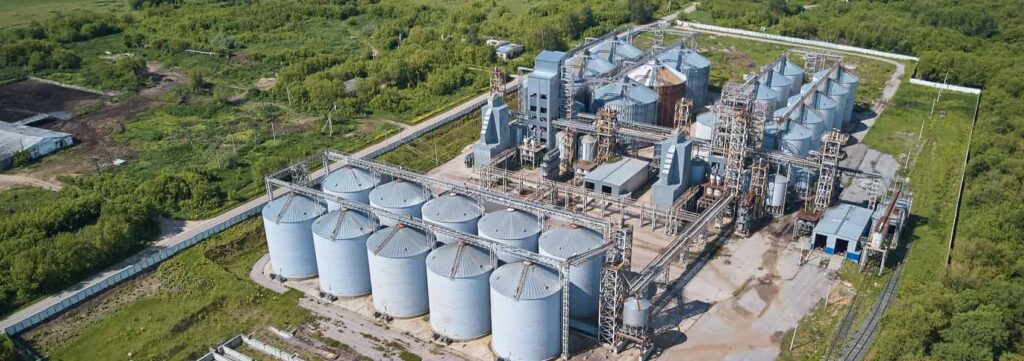
The growing demand for renewable energy has encouraged many businesses to explore pellet manufacturing as a long-term investment. Across Europe, biomass pellets have become an increasingly important alternative to traditional fossil fuels, helping industries reduce emissions while creating value from agricultural and forestry residues.
Unlike conventional energy sources, pellet fuel can be produced from a wide variety of raw materials. Sawdust, wood chips, straw, sunflower husks, peanut shells, and many other biomass resources can be transformed into dense, uniform pellets suitable for heating systems, industrial boilers, and commercial energy applications. This flexibility has made pellet production one of the most attractive opportunities in the renewable energy sector.
As energy costs continue to fluctuate and environmental regulations become stricter, companies are paying greater attention to production efficiency, automation, and equipment reliability. Selecting the right pelletizing technology is therefore one of the most important decisions for any investor entering the industry.
The Growing Importance of Biomass Pellet Manufacturing
Biomass pellet production is no longer a niche industry. In many countries, pellet fuel is now used in residential heating systems, district heating plants, power stations, and industrial facilities.
Several factors have contributed to this growth:
- Rising fossil fuel prices
- Government support for renewable energy
- Improved pellet combustion technologies
- Greater awareness of carbon reduction targets
- Increased utilization of agricultural waste materials
As a result, producers are looking for solutions that can operate efficiently while maintaining stable pellet quality. This has led to significant advancements in pelletizing equipment and automated production systems.
For many investors evaluating equipment options, choosing a reliable wood pellet machine for sale UK can provide a strong foundation for entering the rapidly expanding biomass market.
Understanding the Complete Pellet Production Process
Many newcomers assume pellet production simply involves compressing raw materials into cylindrical shapes. In reality, successful pellet manufacturing requires a carefully designed process.
The production workflow typically includes:
Raw Material Collection
Biomass materials may originate from:
- Forestry residues
- Wood processing plants
- Agricultural waste
- Energy crops
- Food processing by-products
Each material has unique characteristics that influence the final pellet quality.
Size Reduction
Large materials must be processed into smaller particles before pelletizing. Hammer mills and crushers are commonly used to achieve consistent particle size distribution.
Drying
Moisture content significantly affects pellet quality. Excessive moisture reduces pellet durability and increases energy consumption during production.
Most biomass materials require moisture levels between 10% and 15% before entering the pelletizing stage.
Pelletizing
The pellet mill compresses prepared material through a die, forming dense pellets with high energy density.
Cooling and Screening
Fresh pellets are hot and relatively soft. Cooling stabilizes pellet structure while screening removes fines and dust.
Packaging and Storage
Finished pellets may be packaged into bags or stored in bulk silos depending on market requirements.
When properly configured, a complete pellet mill for sawdust production system can deliver highly consistent fuel pellets suitable for both domestic and industrial applications.
Why Equipment Selection Matters
A pellet production project is only as successful as the equipment supporting it.
Many production challenges originate from poor equipment selection, including:
- Excessive maintenance costs
- High energy consumption
- Low pellet density
- Frequent downtime
- Inconsistent output
Modern pellet systems address these challenges through improved mechanical design and automation technologies.
Key considerations include:
Production Capacity
Businesses should select equipment based on realistic demand projections rather than maximum theoretical output.
Raw Material Compatibility
Different materials require different configurations.
For example:
- Wood requires high compression ratios.
- Straw requires specialized feeding systems.
- Agricultural residues often need enhanced wear protection.
Energy Efficiency
Electricity consumption remains a major operating cost.
Advanced equipment incorporates:
- Variable frequency drives
- Optimized transmission systems
- High-efficiency motors
These features contribute to lower production costs over time.
The Role of Automation in Modern Pellet Plants
Automation has become a major factor influencing plant profitability.
Historically, pellet production relied heavily on manual adjustments and operator experience. Today’s systems increasingly utilize intelligent control technologies that improve consistency and reduce labor requirements.
Benefits include:
- Automatic feeding control
- Moisture monitoring
- Production data tracking
- Equipment protection systems
- Predictive maintenance scheduling
These capabilities allow operators to focus on process optimization rather than routine manual intervention.
Many large facilities now integrate a complete pellet plant management system that coordinates every stage of production from raw material intake to final packaging.
Market Opportunities Beyond Traditional Wood Pellets
Although wood pellets dominate many markets, demand for alternative biomass pellets is increasing.
Examples include:
Agricultural Pellets
Crop residues can provide an additional revenue stream for farmers while reducing waste disposal challenges.
Industrial Fuel Pellets
Factories seeking alternative energy solutions often utilize biomass pellets for steam generation and process heating.
Specialty Pellets
Some producers target niche markets requiring customized pellet specifications.
The diversification of pellet applications creates opportunities for producers willing to adapt their production strategies.
For example, a modern bagasse pellet mill can convert sugar industry residues into valuable fuel products while reducing environmental waste.
Economic Benefits of Pellet Manufacturing
Investors are often attracted by the long-term financial potential of pellet production.
Major revenue drivers include:
Waste Utilization
Low-value residues become marketable products.
Growing Demand
Renewable fuel demand continues expanding globally.
Export Opportunities
High-quality pellets can be exported to regions with strong biomass consumption.
Value Addition
Pelletizing significantly increases the commercial value of raw biomass materials.
While profitability varies by region and feedstock availability, efficient operations often achieve attractive returns on investment.
Sustainability Advantages
Environmental considerations are increasingly influencing investment decisions.
Biomass pellets offer several sustainability benefits:
- Reduced landfill waste
- Lower greenhouse gas emissions
- Improved resource utilization
- Support for circular economy initiatives
Many governments encourage biomass development through renewable energy policies and incentive programs.
This trend is expected to continue as countries pursue ambitious climate objectives.
Common Challenges and Solutions
Even successful projects face operational challenges.
Raw Material Variability
Different batches may contain varying moisture levels and particle sizes.
Solution:
Implement standardized preparation procedures and quality control systems.
Equipment Wear
Biomass materials can be abrasive.
Solution:
Use high-quality wear-resistant components and establish preventive maintenance schedules.
Market Competition
Increasing production capacity can intensify competition.
Solution:
Focus on pellet quality, reliability, and customer service rather than competing solely on price.
Energy Costs
Electricity remains a major expense.
Solution:
Optimize process design and invest in energy-efficient technologies.
Future Trends in Pellet Manufacturing
Several trends are expected to shape the future of the industry.
Smart Manufacturing
Digital monitoring systems will continue expanding.
Higher Automation Levels
Labor efficiency will become increasingly important.
Diverse Feedstocks
Producers will explore new biomass resources.
Larger Integrated Facilities
Industrial-scale projects are expected to dominate growth in many regions.
Enhanced Pellet Quality Standards
Customers increasingly demand consistent specifications and reliable performance.
Manufacturers capable of adapting to these trends will likely maintain stronger market positions.
Companies evaluating equipment suppliers often compare multiple technologies before investing in a Richi Pellet Mill, especially when seeking long-term reliability and stable pellet quality.
Conclusion
Pellet manufacturing represents far more than a simple production process. It is an industry that combines renewable energy, waste utilization, environmental responsibility, and long-term business potential.
Whether utilizing forestry residues, agricultural by-products, or industrial biomass resources, successful pellet producers rely on efficient equipment, sound process design, and strategic planning.
As renewable energy adoption continues to grow across Europe and other global markets, investment in advanced pellet production systems is expected to remain strong. Businesses that prioritize quality, automation, and operational efficiency will be better positioned to capitalize on emerging opportunities while supporting a more sustainable energy future.
For additional technical insights and industry updates, interested readers can go to website resources dedicated to pellet production technologies and biomass processing solutions.
Related Post: https://pelletizerequipment.com/wood-chip-pellet-machine/