Introduction: The Growing Importance of Floating Feed in Modern Aquaculture
Aquaculture has become one of the most important sources of aquatic products worldwide. With the continuous growth of global demand for fish, shrimp, and other aquatic species, farmers are increasingly adopting intensive farming systems to improve production efficiency and profitability. In these modern aquaculture operations, feed management has become one of the most critical factors affecting farming success.
Feed accounts for a significant portion of aquaculture production costs, and its quality directly influences fish growth, feed conversion ratio, water quality, and overall farm performance. Among different types of aquatic feed, floating feed has gained significant popularity because it provides better feeding control, reduces waste, improves nutrient utilization, and supports efficient farming management.
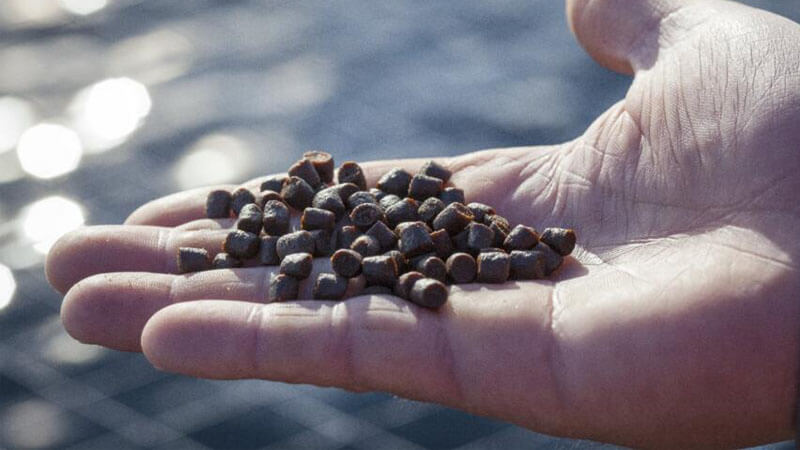
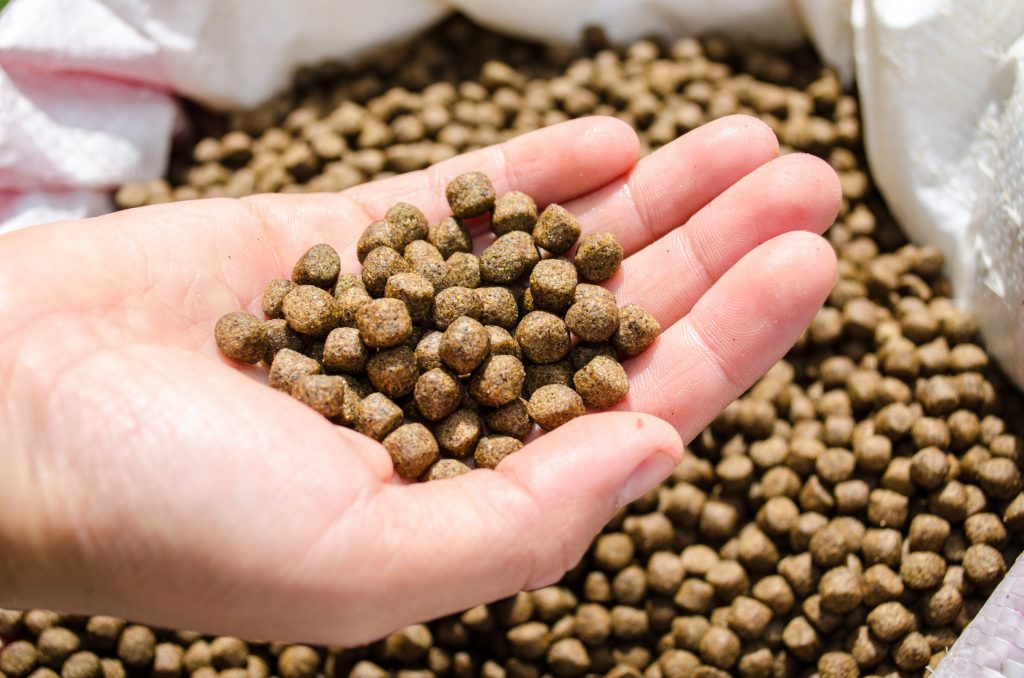
Floating feed is designed to remain on the water surface for a certain period after feeding, allowing farmers to observe feeding behavior and adjust feeding strategies. This feature makes it especially suitable for intensive fish farming systems where precise feed management is essential.
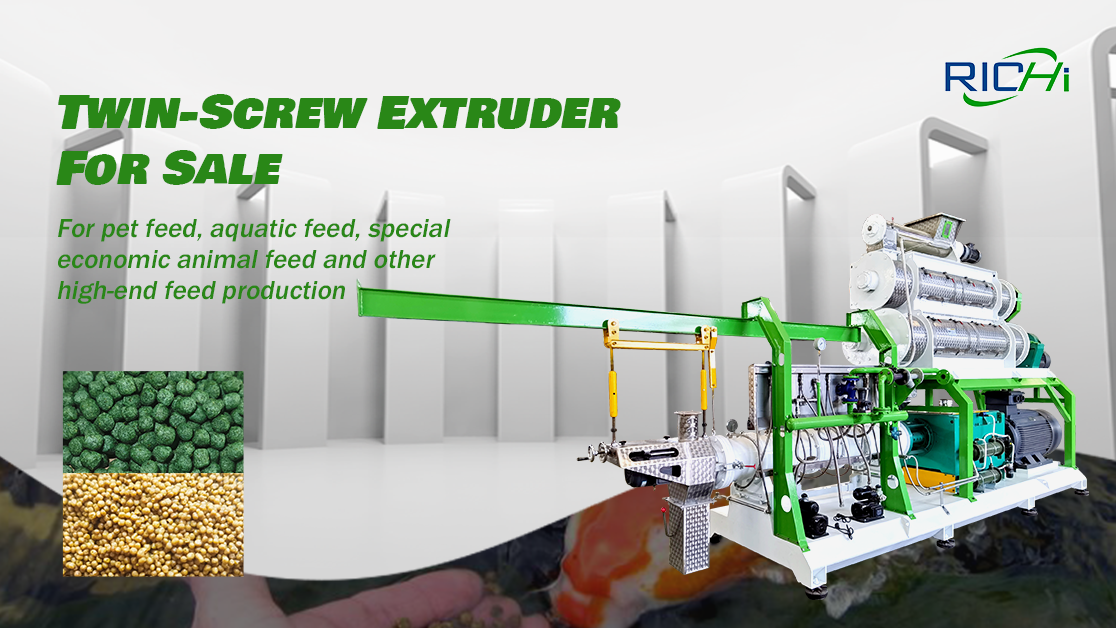
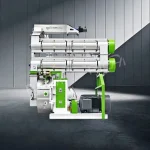
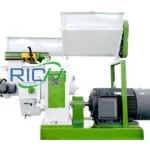
The increasing adoption of floating feed is closely related to advances in feed processing technology. Modern equipment such as the wet floating fish feed extruder machine enables manufacturers to produce high-quality floating pellets with excellent water stability, uniform size, and improved nutritional performance.
As aquaculture continues to develop, floating feed has become an important solution for improving production efficiency and achieving more sustainable farming practices.
Better Feeding Management Improves Aquaculture Efficiency
One of the main reasons floating feed is popular in aquaculture is that it allows farmers to manage feeding more effectively.
In traditional aquaculture systems, sinking feed can be difficult to monitor because pellets quickly disappear below the water surface. Farmers may not know whether fish have consumed enough feed or whether excessive feed has accumulated at the bottom of ponds.
Floating feed solves this problem by remaining visible after feeding.
Farmers can easily observe:
- Feeding speed
- Fish appetite
- Feed consumption
- Remaining feed quantity
This visibility allows farmers to adjust feeding amounts according to actual conditions.
Accurate feeding management helps:
- Prevent overfeeding
- Reduce feed waste
- Lower production costs
- Improve feed conversion efficiency
For commercial fish farms, better feeding control creates significant economic advantages because even small reductions in feed waste can result in substantial savings.
Floating Feed Reduces Feed Waste and Water Pollution
Feed waste is one of the biggest challenges in aquaculture. Uneaten feed not only increases operating costs but also negatively affects water quality.
When feed sinks and accumulates at the bottom of ponds, it can decompose and release excess nutrients into the water. This may lead to:
- Increased ammonia levels
- Lower dissolved oxygen
- Poor water conditions
- Higher disease risks
Floating feed helps reduce these problems because farmers can monitor feeding activity and remove excess feed if necessary.
High-quality floating pellets also have good water stability, meaning they maintain their structure long enough for fish to consume nutrients effectively.
The production of floating feed relies on advanced extrusion technology. A wet floating fish feed extruder machine improves pellet structure by applying controlled temperature, moisture, and pressure during processing.
This creates pellets with:
- Strong durability
- Stable floating performance
- Reduced nutrient leakage
By minimizing waste, floating feed supports cleaner aquaculture environments and more sustainable farming.
https://richipelletizer.com/floating-fish-feed-extruder-machine
Improved Feed Conversion Ratio Supports Faster Fish Growth
Feed conversion ratio (FCR) is one of the most important indicators of aquaculture profitability. It measures how efficiently fish convert feed into body weight.
A lower FCR means better feed utilization and lower production costs.
Floating feed contributes to improved FCR through:
- Better feeding control
- Higher nutrient utilization
- Reduced feed losses
- Improved digestibility
Because farmers can monitor consumption more accurately, fish receive the appropriate amount of feed without unnecessary waste.
In addition, floating feed produced through extrusion technology often has improved digestibility. During extrusion, heat and mechanical forces modify feed ingredients, making nutrients easier for fish to absorb.
Better nutrient absorption supports:
- Faster growth
- Healthier fish
- Shorter production cycles
- Higher profitability
The Role of Extrusion Technology in Floating Feed Production
The popularity of floating feed is closely connected to modern extrusion technology. Unlike traditional pelletizing methods, extrusion allows manufacturers to control the physical properties of feed pellets more effectively.
During extrusion, feed materials undergo:
- Heat treatment
- Pressure processing
- Mechanical shearing
These processes improve the structure and nutritional performance of feed.
Extrusion provides several benefits:
Improved Starch Gelatinization
Starch becomes easier for fish to digest, increasing energy utilization.
Better Pellet Expansion
The internal structure of pellets becomes lighter, helping feed float.
Higher Water Stability
Pellets maintain their shape longer after entering water.
Improved Feed Safety
Heat treatment helps reduce harmful microorganisms.
A wet floating fish feed extruder machine is especially suitable for producing floating feed because it uses additional moisture and conditioning during processing, making it ideal for complex aquatic feed formulas.
This equipment allows manufacturers to produce floating pellets with consistent quality and excellent performance.
(Learn more about wet type fish feed extruder machine)
Producing Customized Feed for Different Aquatic Species
Another reason floating feed is popular is its flexibility. Modern feed production technology allows manufacturers to create customized feed products for different aquatic species.
Different fish species have different:
- Nutritional requirements
- Feeding behaviors
- Growth patterns
- Pellet size preferences
For example:
Tilapia Feed
Tilapia often consume feed near the water surface, making floating pellets highly suitable.
Catfish Feed
Floating feed allows farmers to observe feeding activity and manage feeding quantities effectively.
Carp Feed
Floating pellets help improve feeding efficiency in intensive pond farming.
High-Value Fish Feed
Premium species may require specialized formulas with higher protein content and specific additives.
Through advanced formulation and extrusion technology, manufacturers can produce feed that matches the needs of different farming systems.
Floating Feed Improves Farm Management
Modern aquaculture requires efficient management practices. Floating feed supports better decision-making by providing visual feedback during feeding.
Farmers can use feeding observations to evaluate:
- Fish health conditions
- Growth performance
- Feeding response
- Environmental changes
For example, sudden changes in feeding activity may indicate:
- Poor water quality
- Disease problems
- Environmental stress
Because floating feed makes feeding behavior visible, farmers can identify problems earlier and take corrective action.
This improves farm management efficiency and reduces production risks.
High-Quality Floating Feed Supports Fish Health
Fish health depends not only on feed quantity but also on nutritional quality.
High-quality floating feed provides balanced nutrients required for:
- Growth
- Immunity
- Metabolism
- Reproduction
Modern aquatic feed formulas may include:
- Essential amino acids
- Vitamins
- Minerals
- Functional additives
- Digestive enzymes
The extrusion process helps preserve nutrient availability and improves feed digestibility.
Healthy fish typically show:
- Faster growth
- Better survival rates
- Stronger resistance to environmental stress
Therefore, floating feed contributes not only to production efficiency but also to long-term aquaculture sustainability.
The Advantages of Using a Wet Floating Fish Feed Extruder Machine
The quality of floating feed depends heavily on the performance of extrusion equipment. The wet floating fish feed extruder machine has become an important choice for many commercial aquatic feed producers.
Its advantages include:
Processing High-Moisture Materials
Wet extrusion technology can handle formulas with higher moisture content, improving processing flexibility.
Producing Uniform Pellets
The machine creates pellets with consistent size, shape, and density.
Improving Floating Ability
Controlled expansion helps produce pellets that remain on the water surface.
Enhancing Nutritional Performance
Extrusion improves starch digestibility and nutrient availability.
Supporting Large-Scale Production
Reliable operation allows continuous manufacturing for commercial markets.
By investing in suitable extrusion equipment, feed manufacturers can produce competitive floating feed products that meet customer expectations. (go to website: Richi Machinery)
Reducing Labor Costs Through Efficient Feeding
Floating feed also helps reduce labor requirements in aquaculture operations.
With sinking feed, farmers often need additional methods to determine whether feeding is sufficient. This requires more time and labor.
Floating feed simplifies feeding management because farmers can directly observe feeding conditions.
Benefits include:
- Faster feeding decisions
- Easier daily management
- Reduced monitoring time
- Better resource allocation
For large-scale farms, improved labor efficiency can significantly reduce operating expenses.
Supporting Sustainable Aquaculture Development
Sustainability has become a major concern in the aquaculture industry. Floating feed supports sustainable farming by improving resource efficiency.
The advantages include:
- Reduced feed waste
- Lower environmental pollution
- Better nutrient utilization
- Improved farming efficiency
When fish utilize feed more effectively, fewer nutrients are released into the environment.
This helps maintain better water quality and reduces the environmental impact of intensive aquaculture systems.
Advanced production equipment, including the wet floating fish feed extruder machine, allows manufacturers to produce environmentally friendly feed products with improved performance. (discover this info here)
Factors to Consider When Producing High-Quality Floating Feed
Although floating feed offers many advantages, product quality depends on several important factors.
Raw Material Quality
High-quality ingredients ensure better nutritional performance.
Feed Formula
Balanced nutrition is essential for different aquatic species.
Processing Parameters
Temperature, moisture, and pressure must be carefully controlled.
Equipment Performance
Reliable extrusion equipment ensures consistent pellet quality.
Quality Control
Finished feed should be tested for:
- Nutritional composition
- Pellet durability
- Floating time
- Water stability
A combination of these factors determines the final quality of floating feed products.
Future Development Trends of Floating Feed in Aquaculture
As aquaculture becomes more advanced, floating feed technology will continue evolving.
Future trends include:
- More precise nutritional formulas
- Smart feeding systems
- Sustainable ingredients
- Automated feed production
- Improved extrusion technology
Digital farming systems may further integrate floating feed management with real-time monitoring, allowing farmers to optimize feeding strategies automatically.
At the same time, improvements in extrusion equipment will help manufacturers produce more efficient and environmentally friendly feed products.
Conclusion: Why Floating Feed Has Become Essential in Modern Aquaculture
Floating feed has become popular in aquaculture because it improves feeding control, reduces waste, enhances nutrient utilization, and supports healthier fish growth.
Compared with traditional feeding methods, floating pellets provide farmers with better visibility and more accurate management, helping reduce production costs and improve profitability.
The development of advanced processing technology, especially the wet floating fish feed extruder machine, has made it possible to produce floating feed with excellent stability, digestibility, and performance.
As global aquaculture continues to expand, floating feed will remain an important solution for improving farming efficiency and promoting sustainable aquatic production. By investing in advanced feed production technology and high-quality feed solutions, farmers and manufacturers can achieve better results in the competitive aquaculture industry.