

Introduction: A New Opportunity in the Forage Feed Market
The agricultural industry is constantly looking for better ways to improve resource utilization, reduce production costs, and create higher-value products. Among different forage crops, alfalfa remains one of the most important feed resources because of its rich protein content, balanced nutrition, and excellent palatability for livestock.
However, traditional alfalfa utilization methods are facing increasing challenges. Hay production depends heavily on weather conditions, requires large storage space, and may experience nutrient loss during long-term storage. For commercial livestock farms and feed producers, finding a more efficient processing method has become a priority.
Pelletizing technology provides an effective solution by converting loose alfalfa into compact and durable feed pellets. The process improves transportation efficiency, simplifies storage management, and provides animals with a more consistent feeding experience.
For companies planning to enter the forage feed market, selecting a reliable alfalfa pellet machine is an important step toward establishing a stable and profitable production system.
The Changing Landscape of Alfalfa Feed Production
The demand for high-quality animal feed continues to increase worldwide. Dairy farms, horse farms, sheep farms, and specialized animal breeding businesses require feed products that offer both nutritional value and operational convenience.
Traditional baled alfalfa still plays an important role in many regions, but pelletized alfalfa has gained popularity due to several advantages:
- Higher storage density
- Easier transportation
- Reduced material loss
- Better portion control
- Longer shelf life under proper conditions
For feed manufacturers, pellet production also creates opportunities to standardize product quality and expand market coverage.
Instead of depending only on local hay sales, agricultural enterprises can process alfalfa into commercial feed products with higher added value.
How Does an Alfalfa Pellet Mill Work?
An alfalfa pellet production system usually involves multiple processing stages. Each stage contributes to the final quality of the pellets.
Raw Material Drying and Preparation
Before entering the pelletizing process, harvested alfalfa must reach suitable moisture conditions. Fresh forage generally contains high moisture, which makes direct pelletizing difficult.
Drying helps stabilize the material and improves pellet formation. The drying method depends on local climate conditions, production capacity, and investment requirements.
Size Reduction
After drying, alfalfa is processed through a crushing system. The purpose of crushing is to reduce fiber length and create a more uniform material structure.
Proper particle size improves compression efficiency and helps produce pellets with better appearance and durability.
Pellet Formation
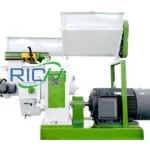
During pelletizing, prepared alfalfa particles pass through a die under mechanical pressure. The pressure and temperature generated during this process activate natural binders within the plant material.
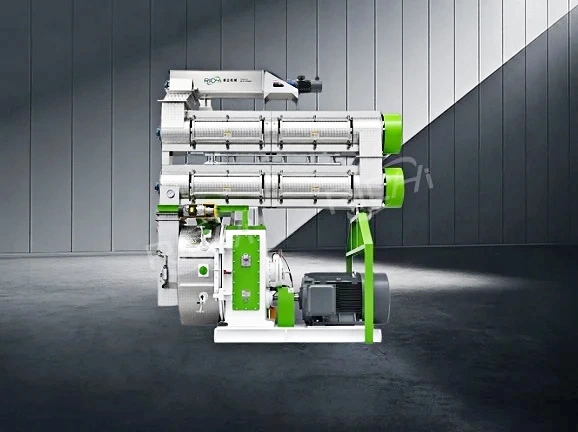
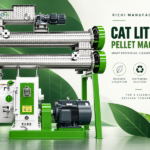
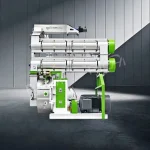
A high-quality alfalfa pellet mill for sale should provide stable operation, efficient energy consumption, and the ability to produce consistent pellet sizes.
(Related Post: https://biomasspelletizer.com/lucerne-pellet-machine/)
Cooling and Packaging
After leaving the pellet machine, pellets need cooling to remove excess heat and moisture. This step improves hardness and reduces the possibility of breakage.
The final products can then be packed into bags or stored in bulk depending on customer requirements.
What Makes Alfalfa Pellets Valuable for Different Livestock?
Dairy Cattle Feeding
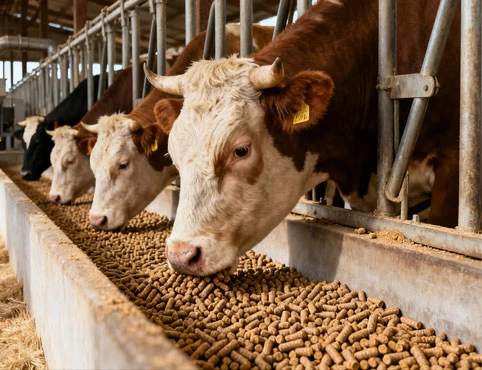
Alfalfa is widely used in dairy production because it provides protein and supports milk production. Pelletized alfalfa makes ration management easier and helps farmers maintain consistent feeding programs.
Horse Nutrition
Horse owners often prefer alfalfa pellets because they are easy to store and measure. Pellets can also be soaked with water when softer feed is required.
Sheep and Goat Production
For sheep and goat farms, pelletized forage reduces feed waste and improves feeding efficiency, especially in areas where quality hay supply is limited.
Small Animal Farming
Alfalfa pellets are also used for rabbits and other herbivorous animals due to their nutritional characteristics and convenient handling.
Selecting the Right Production Capacity for Your Business
One of the most important decisions before establishing a pellet plant is choosing suitable production capacity.
Small farms may focus on self-use feed production, while commercial businesses usually require larger systems to supply multiple customers.
For example:
- Small-scale farms may choose compact pellet processing equipment.
- Medium agricultural businesses may consider several tons per hour production systems.
- Industrial feed companies may require complete automated solutions.
A properly designed 3-4 T/H alfalfa pellet production line for sale can provide efficient output for growing feed enterprises that need continuous commercial production.
Capacity selection should consider:
- Available raw material quantity
- Target market demand
- Factory space
- Investment budget
- Future expansion plans
Why Complete Pellet Solutions Are Better Than Single Equipment?
Many beginners focus only on purchasing the pellet machine itself. However, successful pellet production depends on the cooperation of multiple machines.
A complete system may include:
- Raw material receiving equipment
- Crushing machinery
- Drying equipment
- Mixing systems
- Pellet machines
- Cooling equipment
- Screening systems
- Packaging machines
A complete production line improves automation, reduces manual operation requirements, and creates more stable product quality.
Professional suppliers can design customized systems based on different customer situations. Investors can find out here now to understand how complete forage pellet solutions are planned for different production requirements.
Economic Benefits of Starting an Alfalfa Pellet Business
The profitability of an alfalfa pellet project depends on several factors, including raw material cost, production efficiency, market demand, and selling price.
Adding Value to Agricultural Resources
Instead of selling raw alfalfa at lower prices, farmers can process it into premium feed products. Pelletizing increases product value and expands business opportunities.
Reducing Logistics Expenses
Because pellets are compact, transportation costs can be reduced compared with loose forage. This advantage is especially important for businesses serving distant markets.
Expanding Customer Groups
A pellet producer can supply different customers, including:
- Livestock farms
- Feed distributors
- Animal nutrition companies
- Agricultural cooperatives
This diversified market approach can improve business stability.
Important Factors Affecting Pellet Quality
Producing high-quality alfalfa pellets requires attention to several technical details.
Material Moisture
Moisture directly affects pellet strength. Proper control helps avoid problems such as cracking, excessive powder, or poor forming.
Compression Settings
Different raw materials may require different pelletizing parameters. Experienced operators can adjust settings according to material characteristics.
Equipment Maintenance
Regular maintenance extends equipment service life and ensures stable production.
Common maintenance tasks include checking wearing parts, cleaning production areas, and monitoring machine performance.
Future Development Trends of Alfalfa Pellet Processing
The future of forage pellet production is closely connected with automation, sustainability, and intelligent manufacturing.
Modern equipment is becoming more efficient through improved mechanical design and advanced control systems. Automated production lines reduce labor requirements and improve operational accuracy.
At the same time, sustainable agriculture is encouraging more companies to utilize renewable biomass resources effectively. Alfalfa pellet processing fits this trend by helping convert agricultural products into practical and marketable feed solutions.
Those interested in learning more about modern pellet manufacturing technology can explore Richi Machinery to understand current industry developments and equipment applications.
Conclusion: Building a More Efficient Forage Feed Future
Alfalfa pellet production is more than a method of processing forage. It represents an opportunity to improve agricultural efficiency, increase product value, and develop new business models.
With growing demand for nutritious and convenient animal feed, pellet technology provides a practical solution for farms and feed companies around the world.
Choosing suitable equipment, designing an efficient production process, and working with experienced technical partners are key factors for building a successful alfalfa pellet business.
As the livestock industry continues to evolve, alfalfa pellets will remain an important feed product that connects agricultural resources with modern market demands. A well-planned pellet production project can help businesses achieve stable operation and long-term growth in the competitive feed industry.