

Wheat straw pellet machine technology is revolutionizing how agricultural residues are managed, transforming leftover wheat straw into high-quality, transportable biomass pellets. After harvest, vast quantities of wheat straw are often burned or left unused, causing environmental concerns and wasted energy. Pelletizing provides a sustainable solution, converting fibrous straw into dense, uniform fuel for industrial, commercial, and residential applications.
With increasing demand for renewable energy, wheat straw pellets are becoming an essential resource for biomass boilers, power plants, and pellet markets worldwide. Using advanced equipment ensures consistent quality, high energy density, and reduced operational costs.
Understanding Wheat Straw as a Raw Material
Wheat straw is lightweight, fibrous, and contains silica, which can pose challenges during pelletizing. Moisture content varies seasonally, and uneven particle size can affect pellet quality. Despite these characteristics, wheat straw is an ideal candidate for biomass fuel due to its wide availability and low cost.
Proper preparation, including crushing, drying, and conditioning, is essential to achieve stable, durable pellets. These processes ensure that the pellets produced by a wheat straw pellet machine burn efficiently with low ash content.
(Related Post: https://biomasspelletizer.com/wheat-straw-pellet-machine/)
Benefits of a Wheat Straw Pellet Machine
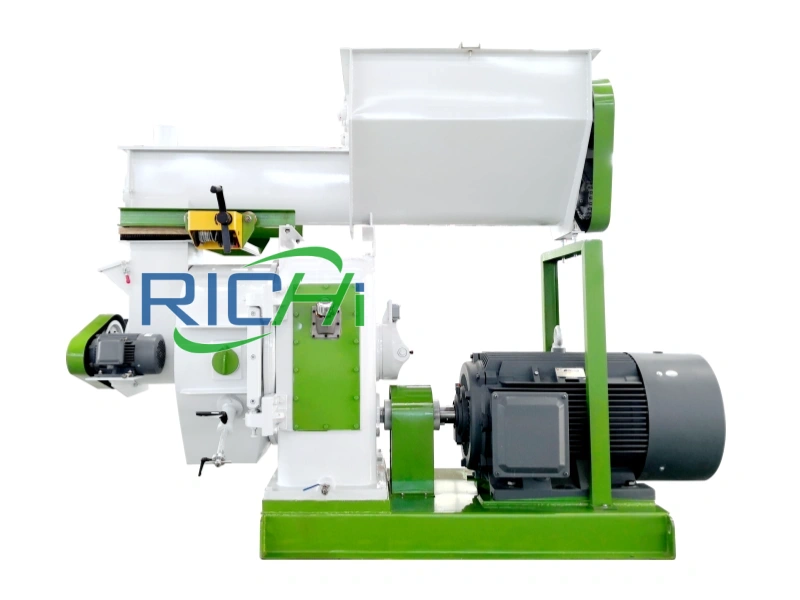
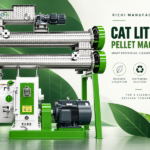
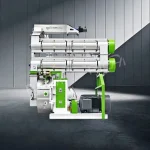
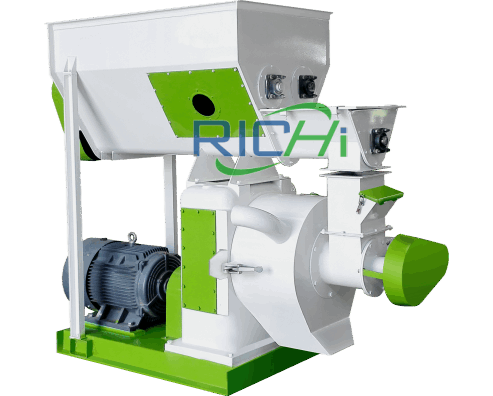
A dedicated wheat straw pellet machine is designed to handle tough, fibrous materials that general feed pellet equipment cannot process efficiently. Advantages include:
- Uniform pellet shape and size
- High pellet density and durability
- Reduced fines and dust production
- Continuous, stable output for industrial-scale operations
With proper configuration, the machine can also process blended residues, providing flexibility for year-round production.
Complete Straw Pellet Production Line Equipment
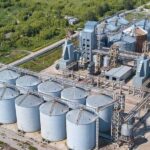
For commercial-scale projects, a single pellet machine is insufficient. A complete straw pellet production line equipment integrates all stages of production, ensuring efficiency, quality, and long-term reliability.
Material Preparation
Straw is chopped and crushed into uniform particles to improve flow and reduce energy consumption during pelletizing.
Drying and Moisture Control
Moisture is adjusted to an optimal range to enhance natural lignin bonding during pellet compression.
Pelletizing
The conditioned material enters the pellet mill machine, where pressure and heat form dense, durable pellets.
Cooling and Screening
Pellets are cooled to strengthen hardness and screened to remove fines, ready for storage or transport.
An integrated production line minimizes downtime and stabilizes output, ensuring consistent quality for industrial or commercial use.
Applications and Market Potential
Wheat straw pellets are widely used in:
- Industrial boilers
- Commercial heating systems
- Co-firing in power plants
- Export biomass fuel markets
Investors and operators seeking practical insights can explore real-world examples by checking blog here for project references and detailed system layouts.
Choosing the Right Pellet Mill Machine
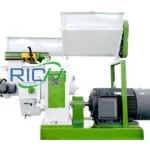
Selecting the appropriate pellet mill machine involves evaluating capacity, compression ratio, and die specifications. The correct configuration ensures high-quality pellets, lower maintenance costs, and efficient operation. Coupled with upstream preparation and downstream cooling systems, a well-matched pellet mill is key to long-term profitability.
Environmental and Economic Advantages
Wheat straw pellet production reduces open-field burning, lowers greenhouse gas emissions, and provides a valuable revenue stream for farming communities. It also supports sustainable energy goals by providing a renewable alternative to fossil fuels.
Conclusion
Wheat straw is no longer a waste product but a high-value renewable resource. With a professional wheat straw pellet machine and a complete straw pellet production line equipment, producers can convert straw into consistent, high-quality pellets. This approach not only supports cleaner energy but also creates scalable, profitable industrial biomass operations.