
The investment required for alfalfa pellet production depends on the complete processing system rather than the pellet mill alone. Raw material condition, production capacity, moisture content, drying requirements, and automation can all affect the final equipment cost.
For farms, forage suppliers, and commercial feed producers, understanding these factors before purchasing equipment can make budget planning more practical.
Raw Material Condition
Alfalfa can enter the production process in different forms, including fresh-cut forage, dried hay, and alfalfa meal.
Fresh alfalfa normally contains much more moisture than dried material, which means additional drying equipment may be necessary before pelletizing.
On the other hand, a producer that already has dried and properly processed alfalfa may require fewer machines.
Therefore, the alfalfa pellet machine price should always be evaluated together with the condition of the available raw material.
Production Capacity
Capacity is one of the main factors affecting equipment investment.
A small farm producing feed for its own livestock may only need a relatively low output, while a commercial forage producer may require several tons per hour.
Higher-capacity systems generally require larger motors, stronger conveyors, larger cooling systems, and greater material-handling capacity.
The appropriate capacity should be calculated according to daily alfalfa availability, operating hours, and expected demand.
Choosing equipment with significantly more capacity than required can increase the initial investment without necessarily providing a practical benefit.
Drying Requirements
Moisture control can have a major effect on the project configuration.
Fresh alfalfa may require a dryer before pelletizing, while dried alfalfa or alfalfa meal may not need additional drying.
A rotary dryer can continuously reduce moisture when required. Its size depends on the initial moisture content, target moisture, processing capacity, and available heat source.
Because drying can consume a considerable amount of energy, the actual raw material moisture should be tested before selecting the dryer.
Grinding Equipment
Particle size also affects the production system.
Large pieces of dried alfalfa may need to pass through a hammer mill before pelletizing. Grinding produces a more consistent feedstock and can help improve material feeding into the pellet mill.
If the raw material has already been ground to a suitable size, a separate grinding stage may not be necessary.
This is another reason why equipment quotations can vary significantly between projects with the same nominal pellet production capacity.
Comparing Similar Forage Equipment
Different forage materials can use similar pelletizing technology, but their preparation requirements may differ.
For example, a 5T/H hemp pellet machine for sale may be used for grass and other forage materials, while alfalfa has its own moisture and fiber characteristics.
The comparison can be useful when evaluating equipment options, but buyers should avoid selecting a machine based only on the advertised capacity.
The actual raw material should remain the starting point for equipment selection.
Pelletizing and Supporting Equipment
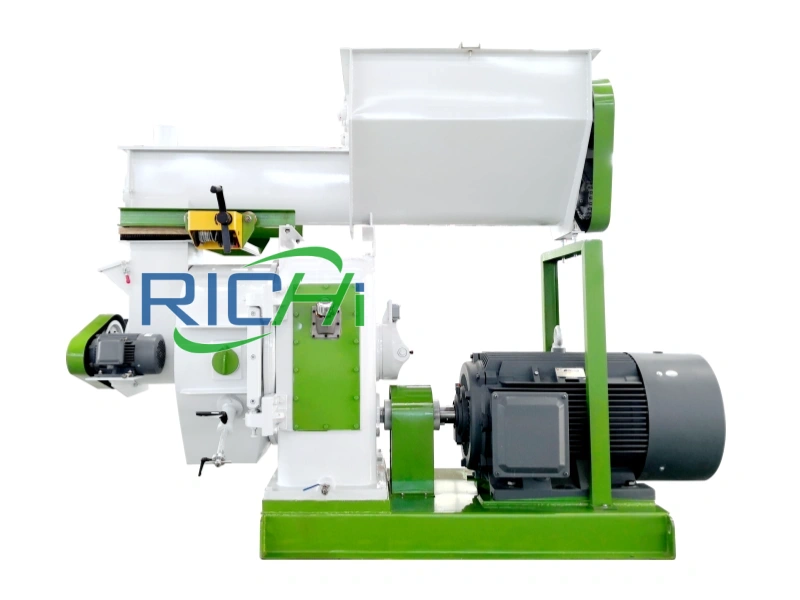
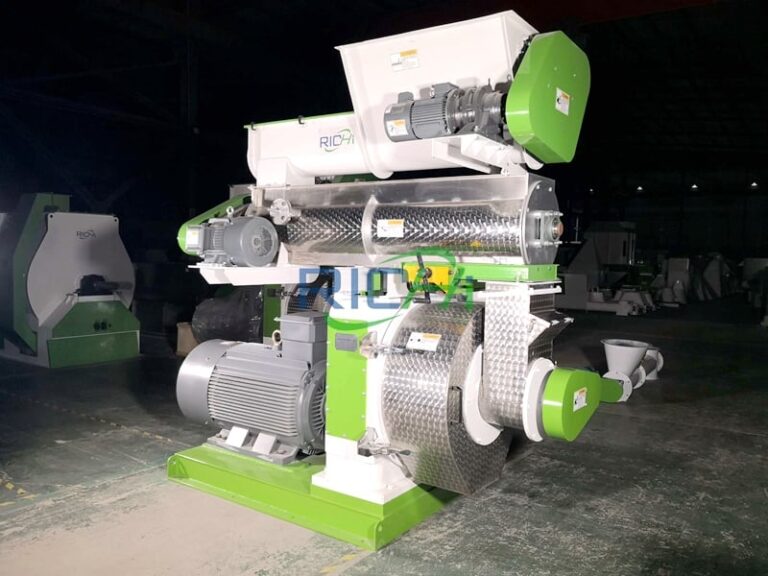
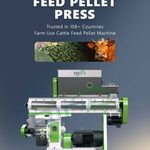
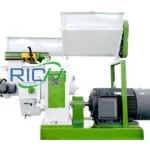
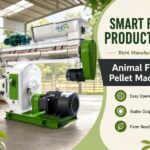
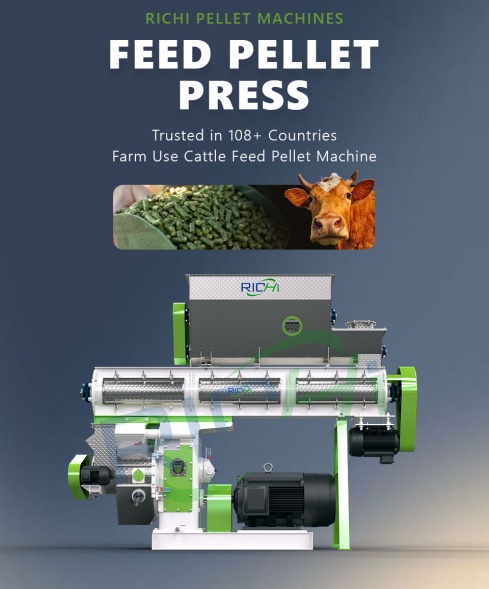
The pellet mill is the core forming machine, but a commercial production system normally requires additional equipment.
A typical configuration may include:
- Raw material feeding
- Grinding
- Drying when necessary
- Pelletizing
- Cooling
- Screening
- Conveying
- Storage
- Packing
Each section should have a capacity that matches the pelletizing stage.
For example, a high-output pellet mill can become underutilized if the grinding or feeding system cannot provide enough prepared alfalfa.
Automation Level
Automation can also change the initial investment.
A basic system may rely on manual feeding and operator supervision. This can be suitable for smaller farms or operations with relatively low production.
Larger commercial plants may use automatic feeding, mechanical conveying, centralized control, automatic weighing, and automatic packing.
Although automation increases equipment costs, it can reduce repetitive manual work and improve production consistency.
The right level depends on production capacity, labor availability, and the planned operating schedule.
Cooling, Screening and Packing
Fresh alfalfa pellets should normally be cooled before storage.
A cooler reduces the temperature of newly produced pellets, while a screening machine separates loose fines and undersized material.
Packing equipment can then be added according to the sales model. Bulk sales may require storage bins and bulk-loading equipment, while retail or farm customers may require bagged products.
These downstream systems should be included when estimating the total project investment.
How to Compare Quotations
When comparing a pellet mill for sale, buyers should check whether the quotation covers only the main pelletizing machine or includes supporting equipment.
Important items to compare include:
- Production capacity
- Motor power
- Die diameter
- Grinding equipment
- Dryer
- Cooler
- Screen
- Conveyors
- Electrical control system
- Spare parts
- Installation and commissioning
A lower machine price does not necessarily mean a lower total project cost if important supporting equipment is excluded.
Final Considerations
The cost of an alfalfa pellet project depends on the relationship between raw material condition, production capacity, processing requirements, and automation.
Before requesting a final quotation, buyers should provide information about alfalfa moisture, daily availability, target output, pellet size, and existing equipment.
With these details, the production system can be designed around actual operating conditions instead of using a standard configuration.
For more information about forage pellet production equipment and project planning, read here before making a final equipment decision.
Related Post: https://pelletizerequipment.com/hay-pellet-machine-for-sale/