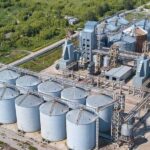
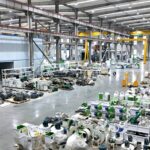


Large-scale livestock feed production requires careful coordination between equipment and infrastructure. Increasing the size of the pellet mill alone is not enough to achieve higher factory output. Grinding, mixing, conditioning, cooling, screening, storage, conveying, and packing must all support the target production rate.
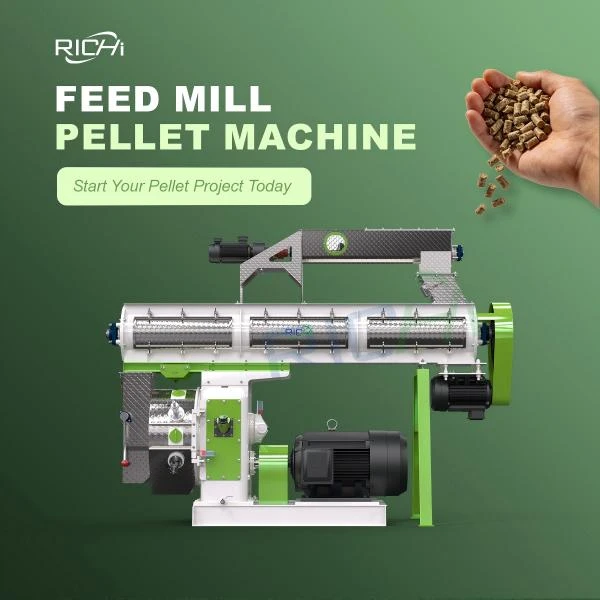
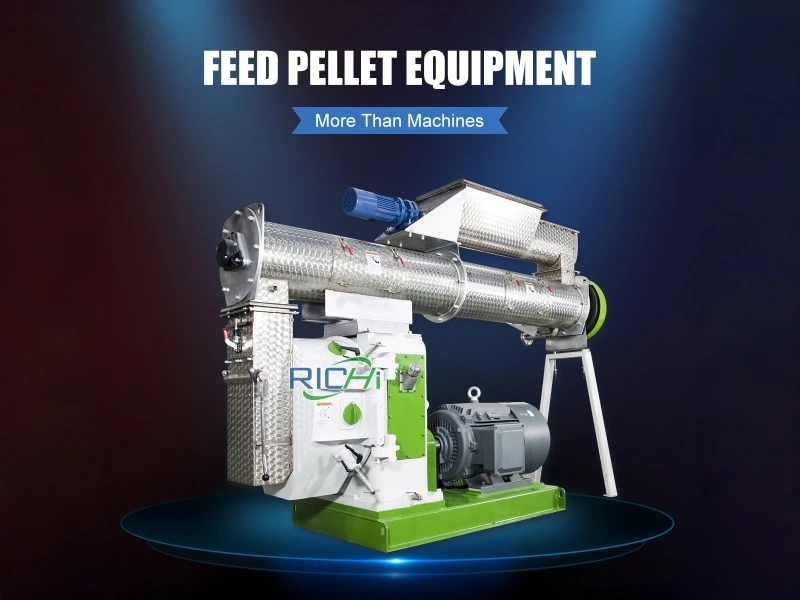
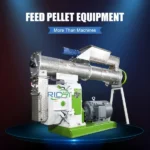
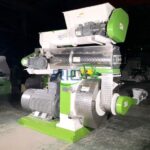
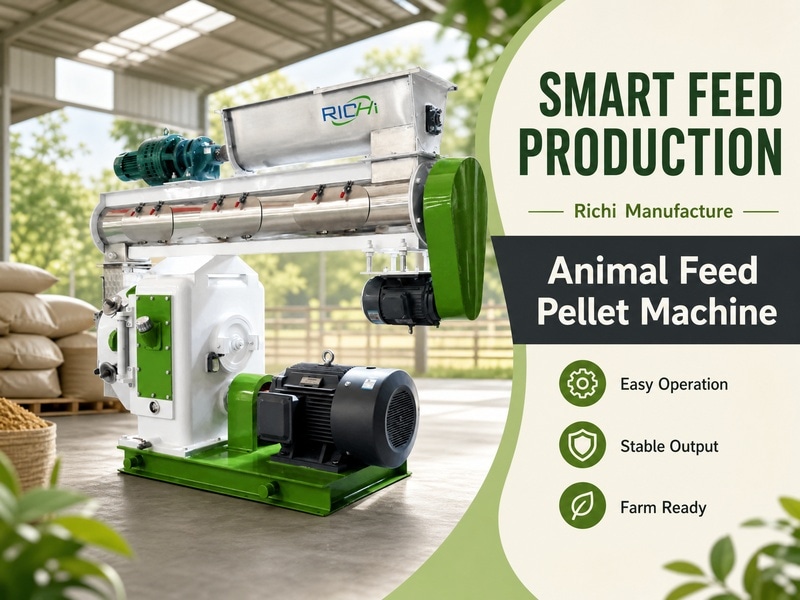
A large scale animal feed pellet machine is therefore normally incorporated into a broader production system designed around continuous material flow.
Determining the Factory’s Real Capacity
The first step is to determine how much feed the factory actually needs to produce.
Production demand can depend on customer orders, animal populations in the target market, product range, working shifts, and future growth.
A factory operating around the clock may require a different configuration from one operating for only one or two shifts. The production line should be designed around realistic operating conditions rather than a theoretical maximum.
Building a Balanced Production Line
A livestock feed pellet production line can include raw material receiving, grinding, batching, mixing, conditioning, pelletizing, cooling, screening, and packing.
Each section should be capable of supporting the next. The grinder must provide enough material for mixing. The mixer must prepare material continuously. The pellet mill must have sufficient cooling capacity after it.
If any section is significantly undersized, it can restrict the performance of the entire factory.
Handling Large Quantities of Raw Materials
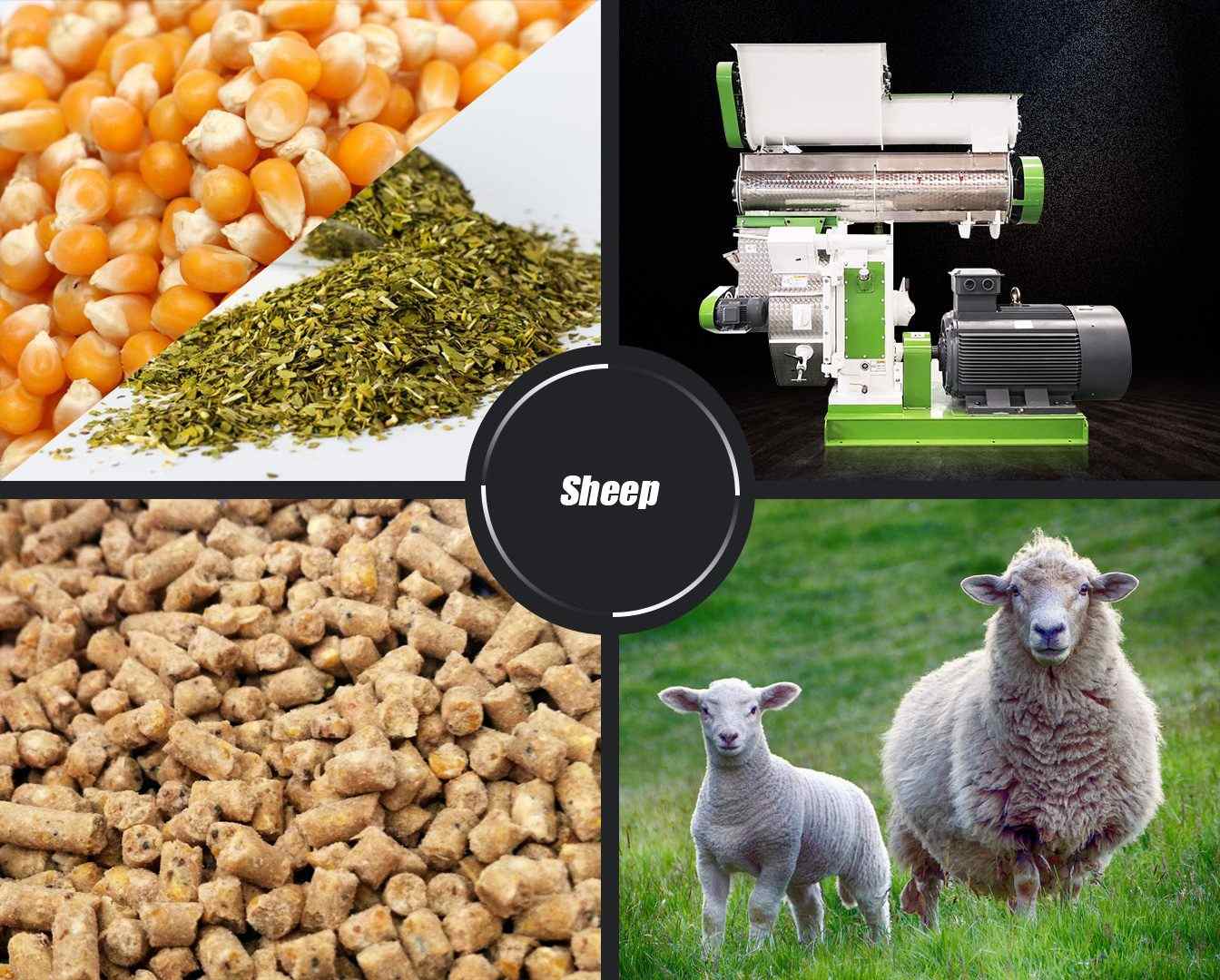
Large factories may receive substantial quantities of corn, soybean meal, wheat bran, forage, and other ingredients.
Storage facilities need enough capacity to maintain production when deliveries are delayed. Conveying systems should also be designed for reliable movement between storage and processing.
The layout should minimize unnecessary movement while allowing access for maintenance.
Managing Multiple Feed Formulas
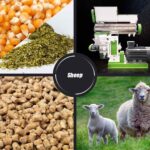
Commercial livestock feed manufacturers may produce cattle, sheep, goat, pig, or other feed formulas.
Different formulas can have different proportions of grain, protein ingredients, fiber, minerals, and additives. Production scheduling can reduce the number of formula changes and therefore lower cleaning and transition time.
Separate storage or batching arrangements may also be useful for ingredients with special handling requirements.
High-Capacity Pelleting
The pelletizing section needs stable material feeding and conditioning. At high production rates, the feeder must deliver material consistently without excessive fluctuations.
Steam conditioning should provide adequate contact between the mash and steam. The prepared material then enters the pelletizing chamber where compression forms the finished pellets.
The ring die and roller configuration should match the required pellet size and production conditions.
Cooling and Screening at Scale
High-capacity production creates a large quantity of hot pellets within a short time. The cooler therefore needs to be properly sized.
After cooling, screening removes fines and separates finished pellets. If the screening system is undersized, finished feed may accumulate and slow the process.
Packing capacity should also correspond with pellet production. Otherwise, the final stage becomes the limiting factor.
Automation and Control
Large factories can benefit from centralized control systems. Automated batching, feeding, conveying, temperature monitoring, and packing can reduce repetitive manual tasks.
Automation can also provide operators with information about production status and machine conditions.
However, automation should be introduced after the basic process has been correctly engineered. A sophisticated control system cannot solve mechanical capacity mismatches.
Project planners can use this link to review equipment information and compare possible production configurations.
Manufacturing and Engineering Support
Richi manufacture provides animal feed and livestock feed machinery and engineering solutions for different production scales.
Large projects require coordination between machinery, electrical systems, plant layout, installation, commissioning, and operator training. Working with a supplier capable of supporting several of these areas can simplify project development.
Planning for Future Expansion
A large feed factory should also consider future capacity increases. Additional pellet mills, storage facilities, cooling equipment, or packaging systems may eventually be required.
Providing enough space and utility capacity during the original construction can make later expansion more practical.
Large-scale livestock feed production is ultimately a system engineering challenge. When raw material handling, grinding, mixing, conditioning, pelleting, cooling, screening, and packing are properly balanced, the factory can maintain a more stable workflow and make better use of its equipment investment.
view details: https://www.richimanufacture.com/animal-feed-pellet-machine-for-sale/