
Look Beyond the Initial Equipment Quotation
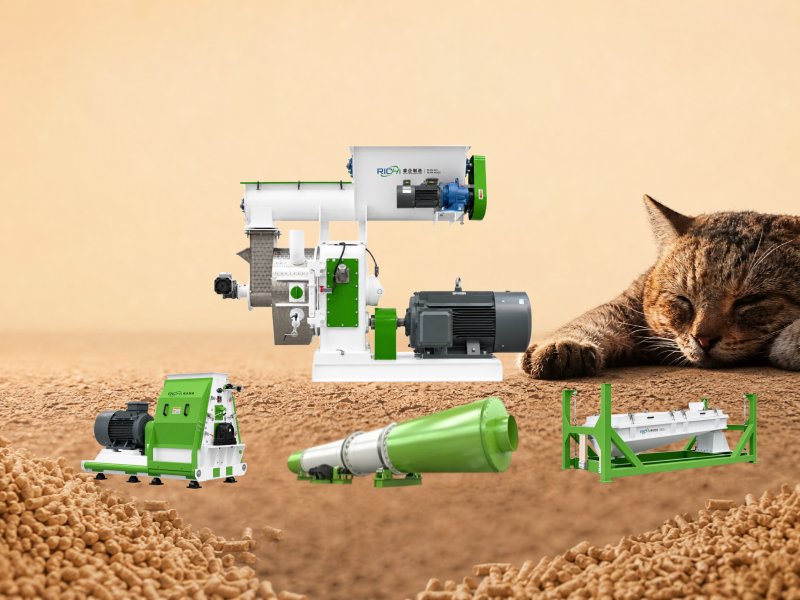
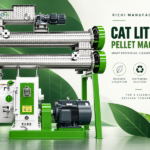
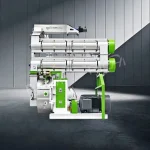
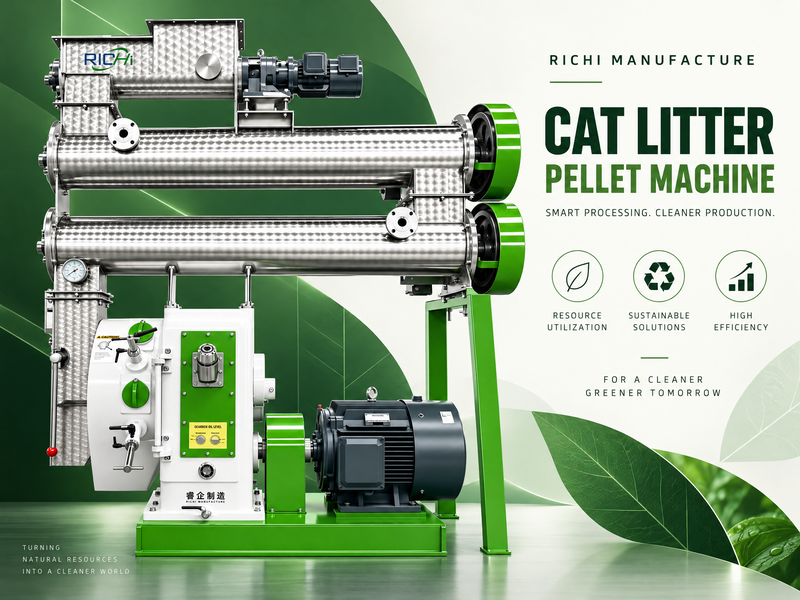
Investing in a cat litter factory involves more than purchasing the main production machine. The total budget may include raw material preparation, mixing, drying, conveying, cooling, screening, packaging, installation, electrical work, and other site-specific requirements. A cat litter pellet machine may be the central forming unit, but the surrounding process determines how effectively it can operate.
This is why equipment prices should be compared only after the intended product and manufacturing route have been defined. A plant processing dry, prepared material may need a different configuration from a facility handling wet soybean residue or coarse wood-processing waste. The difference in preparation requirements can significantly affect both the initial investment and ongoing expenses.
A realistic financial plan separates the equipment purchase from the full cost of establishing and operating the factory. This gives investors a clearer picture of the capital needed before commercial production begins.
Understanding the Main Investment Categories
Machinery and Installation
The equipment budget depends on capacity, raw material type, machine configuration, automation, and the number of processing stages required. A simple project may need limited preparation equipment, while a more complex facility may require shredding, fine grinding, controlled mixing, drying, cooling, screening, and automated conveying.
The quoted price should identify the exact scope of supply. Buyers need to know whether motors, electrical controls, spare parts, conveyors, installation guidance, and commissioning support are included. Two quotations with similar headline prices may represent very different levels of completeness.
Building modifications can also affect the budget. Equipment foundations, ventilation, electrical distribution, access platforms, and material storage may need to be prepared before installation. Local labor rates and regulatory requirements influence these costs, so estimates should be based on the actual project location.
Raw Materials and Working Capital
A factory needs sufficient working capital to purchase raw materials, packaging, and spare parts while covering wages and other operating expenses. The time between purchasing materials, manufacturing products, shipping orders, and receiving customer payments can create additional cash requirements.
Local sourcing may reduce transportation expenses when suitable materials are available nearby. However, a low purchase price does not guarantee low production cost. Material variability, moisture, contamination, and preparation requirements can increase the amount of processing needed.
Investors should evaluate the usable yield from each raw material. If a significant portion requires rejection or reprocessing, the cost per tonne of saleable litter may be higher than expected.
Calculating the Cost of Production
A useful financial assessment of cat litter production line cost should distinguish capital investment from recurring manufacturing expenses. Operating costs can include electricity, labor, maintenance, packaging, transportation, and the purchase or preparation of raw materials.
Energy consumption should be examined across the entire process rather than focusing only on the main motor. Grinding, drying, conveying, and packaging may all contribute to the factory’s energy requirements. The importance of each stage depends on the material and process design.
Maintenance costs also deserve attention. Dies, rollers, bearings, cutters, and other components may require inspection or replacement over time. A machine with a lower purchase price may become more expensive if its wear parts are difficult to obtain or if servicing requires prolonged downtime.
How Product Choice Changes the Budget
Mineral-Based and Plant-Based Litter
Different litter formulations require different equipment arrangements. Bentonite processing may emphasize mineral handling, moisture management, and suitable forming conditions. Plant-based litter made from soybean residue, wood fiber, or agricultural by-products may require more extensive size reduction, mixing, or drying.
The factory should not assume that every formulation can be produced economically using the same equipment sequence. A technical assessment should identify which raw materials need preparation and whether the chosen process can meet the required pellet dimensions and finished-product specifications.
Product quality also affects costs. Excessive breakage, inconsistent pellet size, or high dust levels can create additional screening losses and customer complaints. Spending appropriately on process control may reduce these expenses over the life of the project.
Capacity and Automation
Larger equipment can increase output, but it may also require more space, power, material storage, and working capital. The right capacity depends on expected demand and the ability to sell the finished product consistently.
Automation can reduce repetitive manual work and improve process control, although it introduces additional equipment and maintenance requirements. Investors should compare expected labor savings, reduced waste, and operating stability against the initial cost of automation.
Building a Defensible Financial Forecast
A financial model should use realistic assumptions for operating hours, saleable yield, raw material prices, packaging, labor, energy, and selling prices. It should also account for maintenance downtime and periods when the factory operates below full capacity.
Investors you could try this out by preparing several financial scenarios based on different utilization rates and material prices. A conservative scenario can reveal whether the business remains viable when sales develop more slowly than expected or costs rise.
The production team should help validate the assumptions. Sales forecasts alone cannot establish profitability if the process cannot consistently achieve the required quality or throughput.
Choosing Equipment With Lifecycle Costs in Mind
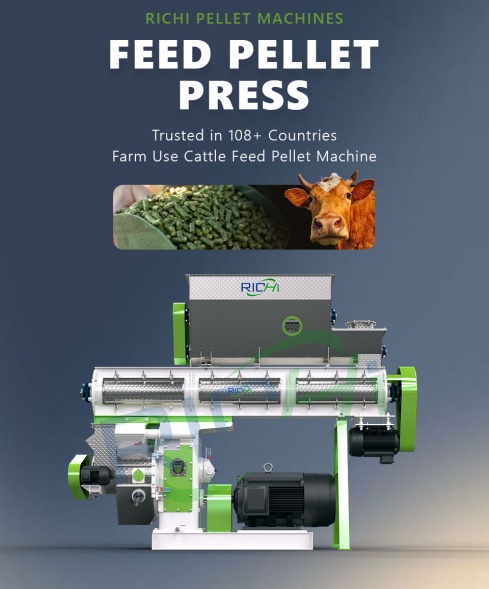
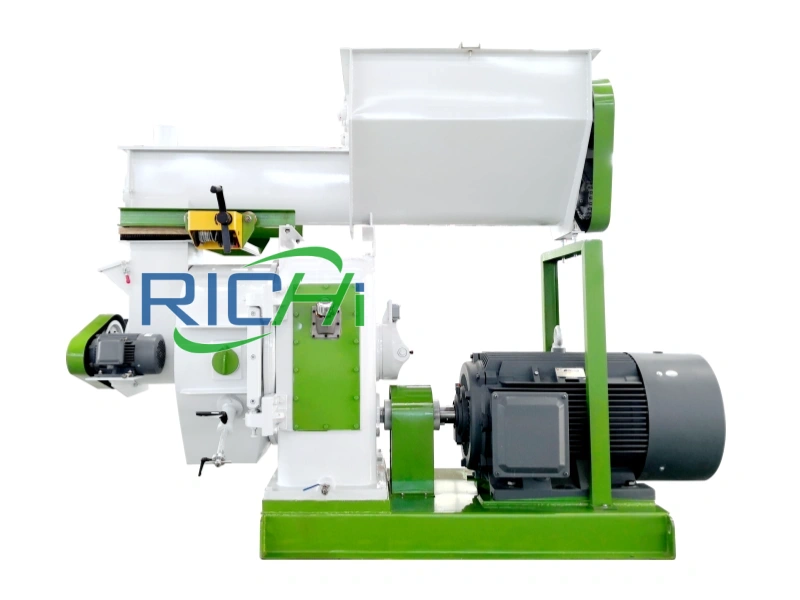
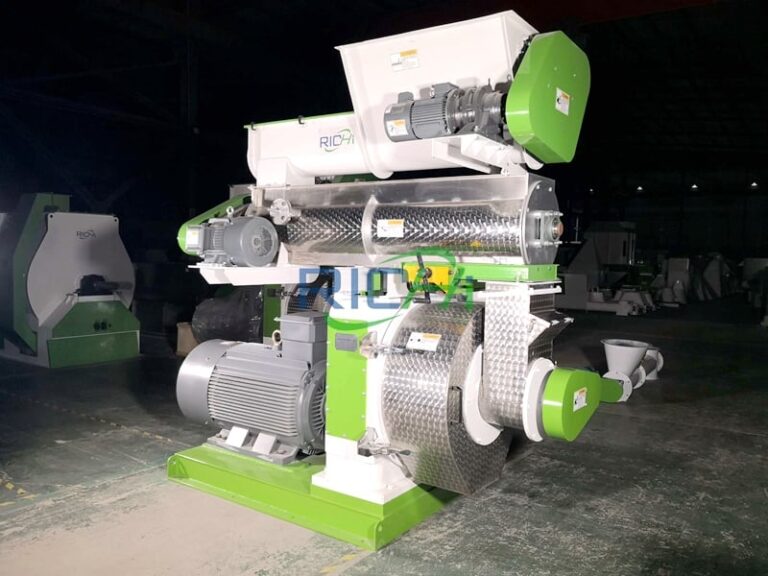
A suitable pelletizer should be evaluated according to its compatibility with the formulation, target output, wear-part requirements, and expected operating conditions. Buyers should request technical specifications and clarify the supplier’s responsibilities for commissioning, training, and support.
It is equally important to compare the expected cost of producing one tonne of saleable product rather than focusing exclusively on the purchase price. This broader measure connects machinery selection with commercial performance.
Conclusion: Budget for the Whole Business
A reliable cat litter investment plan includes machinery, site preparation, raw materials, working capital, and ongoing operating expenses. The most useful quotation is one that clearly defines equipment scope and reflects the actual production requirements. By evaluating total ownership costs and testing realistic financial assumptions, investors can make more informed decisions about the scale and timing of their project.
View details: https://www.richimanufacture.com/cat-litter-pellet-machine/