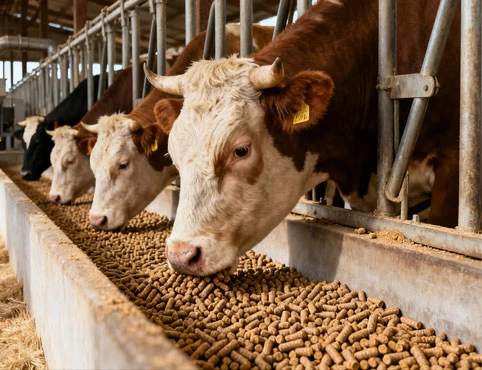



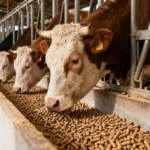

Rabbit production depends heavily on consistent nutrition. While hay and forage remain important components of rabbit diets, formulated pellets can provide a convenient way to deliver a balanced combination of fiber, energy, protein, minerals, and other nutrients.
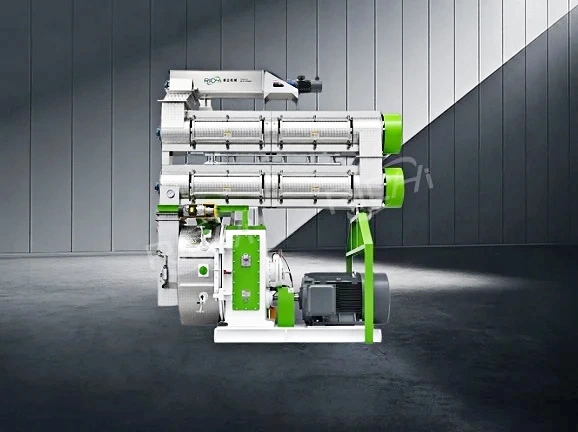
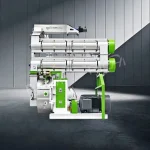
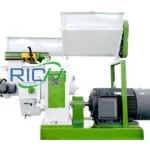
For farms that want to produce their own feed, granulation can turn a loose mixture into compact, easier-to-handle pellets. However, successful rabbit feed production requires more than simply purchasing a animal feed granulator.
A well-planned system must connect feed formulation, raw material preparation, grinding, mixing, pellet formation, cooling, screening, and storage.
This article looks at the process from a practical farm-management perspective.
Rabbit Feed Is Different From Conventional Grain Feed
Rabbit diets often include substantial amounts of forage and fibrous materials.
Common ingredients can include:
- Alfalfa
- Grass meal
- Hay
- Wheat bran
- Corn
- Soybean meal
- Rice bran
- Oat ingredients
- Mineral supplements
- Vitamin premixes
The exact formulation depends on the production stage and feeding objectives.
The high fiber content means that rabbit feed processing can have different requirements from poultry or pig feed production.
Fiber influences grinding, mixing, compression, and pellet durability. Therefore, a rabbit feed project should be designed around the actual formulation rather than copied directly from a conventional grain-based feed plant.
When Does a Farm Need Its Own Pellet Production System?
Not every rabbit farm needs a complete industrial pellet plant.
Small farms may purchase finished feed because their annual consumption is relatively limited. Producing feed internally becomes more attractive when the farm has a stable supply of ingredients and sufficient feed demand.
There are several reasons producers may choose in-house production.
The first is formulation control. Farmers can adjust ingredients according to animal age, production stage, or local raw material availability.
The second is transportation. Buying large quantities of finished feed can involve considerable freight costs, especially in remote agricultural regions.
The third is raw material utilization. Farms may have access to locally produced forage, hay, grains, or agricultural by-products.
The fourth is business expansion. A farm may eventually produce feed for neighboring farms.
These factors should be considered before deciding the required machine capacity.
How Should Capacity Be Calculated?
Capacity should begin with feed consumption rather than machine specifications.
Suppose a farm needs 20 tons of rabbit feed per week. The required hourly capacity will depend on the number of operating days and working hours.
If the facility operates five days per week for eight hours per day, the average production requirement would be relatively modest. However, if the farm wants to produce the weekly requirement in only two working days, the hourly capacity must be significantly higher.
A producer considering a 2-3 T/H rabbit pellet maker for sale should therefore calculate actual weekly and monthly demand before choosing the equipment.
The same logic applies to commercial feed manufacturers.
Raw Material Availability Can Influence the Formula
Feed formulation is not always based on an ideal theoretical recipe.
In real agricultural businesses, ingredient availability changes with season, harvest volume, local prices, and transportation costs.
A farm may have abundant alfalfa during one season but need to purchase additional forage during another.
Therefore, a flexible feed production system can be valuable.
The equipment should be capable of handling the expected range of raw materials without requiring major modifications every time the formulation changes.
Why Grinding Is So Important
Grinding reduces the size of raw materials before mixing and pelletizing.
Large pieces of hay or other fibrous materials can make mixing difficult and create inconsistent pellet formation.
Grinding also increases the contact area between particles, which can improve mixing and compression.
However, the goal is not simply to make everything as fine as possible.
Excessively fine grinding can increase energy consumption and may not always improve the final product. The appropriate particle size depends on the ingredient, formulation, pellet diameter, and production process.
A practical feed plant therefore selects grinding specifications together with the pelletizing requirements.
Mixing Creates Nutritional Uniformity
Imagine a feed formula containing several major ingredients plus small quantities of minerals and additives.
If the ingredients are not distributed evenly, one portion of feed may contain more of a particular nutrient than another.
A good mixer helps distribute materials throughout the batch.
Mixing time, ingredient sequence, particle size, moisture, and mixer design can all influence uniformity.
This is especially important when the feed contains ingredients with significantly different densities.
Pellet Size Should Be Defined Early
Rabbit feed pellets are not necessarily produced in one universal size.
Young animals may prefer smaller pellets, while larger rabbits can handle larger particles.
The pellet size should therefore be determined according to the target animals and feeding system.
Once the desired diameter is established, the die or pelletizing configuration can be selected accordingly.
Changing pellet size later may require different dies or adjustments, so it is better to clarify this requirement before purchasing the equipment.
What Makes a Good Rabbit Feed Pellet?
A quality pellet should generally have:
- Appropriate diameter
- Consistent shape
- Adequate hardness
- Low excessive fines
- Suitable moisture
- Good storage stability
Appearance is only one part of the evaluation.
A pellet may look smooth but break easily during transportation. Conversely, an extremely hard pellet is not automatically better if animals have difficulty consuming it.
The ideal result is a balance between durability, nutritional formulation, animal acceptance, and processing efficiency.
Cooling Is Often Underestimated
Freshly produced pellets can contain elevated temperature and moisture.
If they are packed immediately without adequate cooling, moisture may migrate inside the package and potentially create storage problems.
A cooler allows the pellets to reach a more suitable temperature and stabilizes their condition before packaging.
For commercial production, cooling capacity should be matched to pelletizing capacity.
This is an example of why a production line should be considered as a connected system rather than a collection of independent machines.
Screening Improves the Final Product
After cooling, pellets may be screened to separate fines and oversized particles.
The fines can potentially be returned to the production process, depending on the plant design and formulation.
Screening helps create a more uniform final product, which is particularly useful for commercial feed sales.
A clean, consistent product is easier to package and easier for customers to handle.
Flat Die or Ring Die for Rabbit Feed?
The answer depends on scale.
Flat-die machines can be practical for smaller farms that want a relatively simple system.
Ring-die pellet mills are commonly considered when production requirements become larger and more continuous.
The decision should take into account:
- Required output
- Operating hours
- Feed formulation
- Automation
- Available space
- Budget
- Maintenance capability
- Expansion plans
A small farm does not necessarily benefit from an oversized industrial system.
How Does a Commercial Rabbit Feed Plant Differ?
A commercial plant usually requires more than pellet formation.
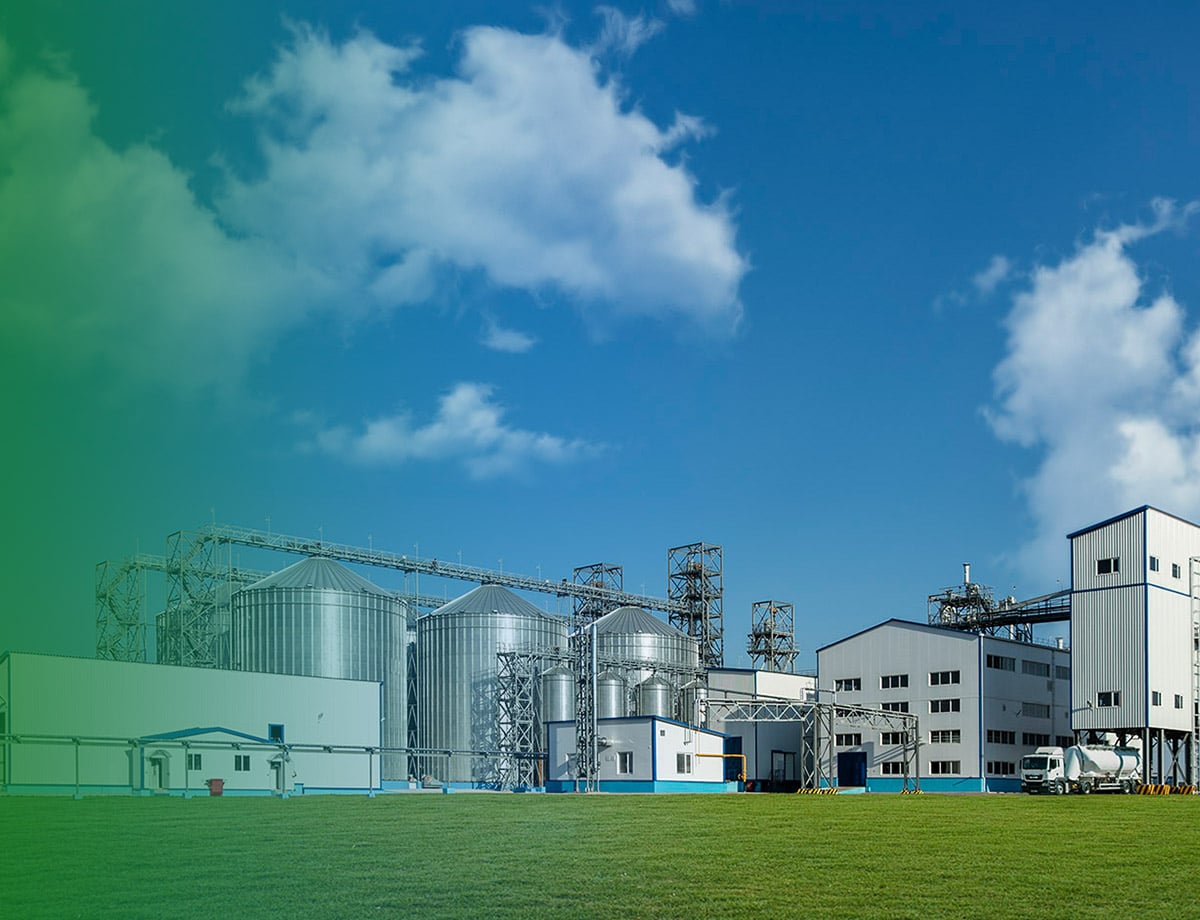
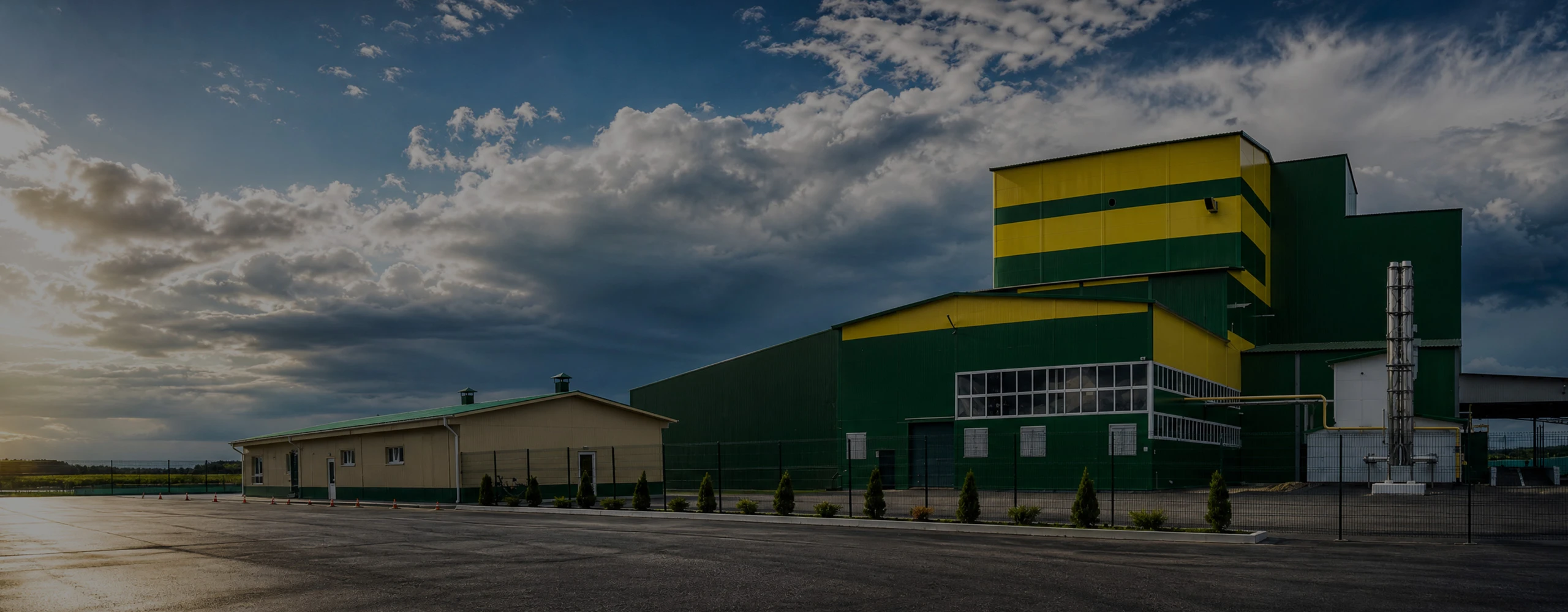
It may include raw material receiving systems, storage bins, automated weighing, grinding, mixing, conditioning, pelletizing, cooling, screening, packing, and centralized control.
Automation can improve weighing accuracy and reduce manual handling.
However, automation should be matched to production scale. A small farm may prefer a simpler semi-automatic system because it reduces investment and is easier for local operators to manage.
Energy Consumption Should Be Part of the Calculation
Machine purchase price is easy to compare, but operating costs can be more important over several years.
Electricity consumption depends on motor power, raw materials, throughput, moisture, grinding requirements, and operating conditions.
A machine that costs slightly less but consumes significantly more energy may not be the most economical choice in the long term.
The same applies to spare parts and maintenance.
Before buying equipment, producers should ask about common wear parts, replacement frequency, maintenance procedures, and local service availability.
What About Seasonal Production?
Rabbit farms may experience seasonal changes in feed demand.
A production system should therefore be evaluated according to annual utilization rather than peak demand alone.
If equipment will operate only a few days each month, purchasing a very large machine may not make financial sense.
On the other hand, a growing commercial operation may benefit from a system with expansion potential.
Good planning balances current requirements with realistic future demand.
Building a Practical Feed Production Workflow
A straightforward workflow might look like this:
Raw materials → Grinding → Batching → Mixing → Conditioning → Pelletizing → Cooling → Screening → Packing
Not every farm requires every stage.
For example, a small farm may manually weigh ingredients and use a simpler processing arrangement.
A larger feed manufacturer may automate weighing, material transfer, and packaging.
The correct design is the one that matches the actual production environment.
(Related Post: https://www.richipelletmill.com/chicken-feed-pellet-making-machine/)
Where Can Producers Find More Technical Information?
Feed production decisions can involve many technical details. Producers often compare equipment specifications, pellet sizes, processing methods, and plant layouts before making an investment.
Independent agricultural publications, equipment manufacturers, farming associations, and blog here resources can provide useful starting points for research.
However, technical information should always be compared against the specific feed formulation and production target.
A specification that works well for poultry feed may not necessarily be ideal for a high-fiber rabbit formulation.
Final Considerations
Rabbit feed production is a combination of nutrition, mechanical processing, and farm economics.
The most successful projects begin by defining the final feed product and then working backward to determine equipment requirements.
Producers should consider animal age, feed formulation, raw material availability, required output, pellet size, operating hours, storage conditions, and future expansion.
A well-matched pellet line system can make feed easier to handle while helping farms control their production process.
For a small rabbit farm, simplicity may be the most important factor. For a commercial producer, consistent capacity, automation, durability, and long-term operating costs may matter more.
There is no universal feed production system. The right solution is the one that fits the farm.