
Livestock farming plays an essential role in global agriculture by providing meat, milk, eggs, wool, and other valuable products. The success of livestock production depends on many factors, including animal genetics, farm management, environmental conditions, and especially feed quality. Among all production inputs, feed is one of the most important factors because it directly affects animal growth, health, reproduction, and productivity.
As modern livestock farming becomes more intensive and professional, farmers are increasingly looking for efficient feeding solutions that can provide balanced nutrition while reducing production costs. Traditional feeding methods using loose grains, forage, or powder feed often face challenges such as nutrient separation, feed waste, poor storage performance, and inconsistent animal intake.
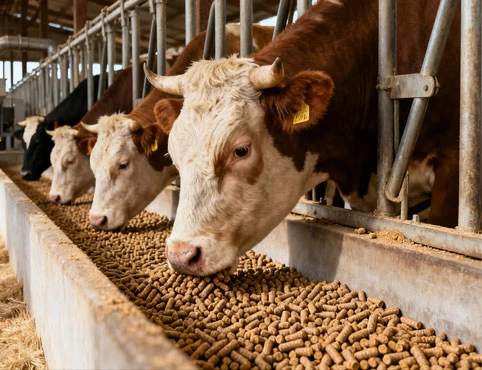
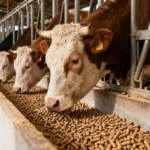
Animal feed pellets have become a popular solution to these challenges. By processing different feed ingredients into compact and uniform pellets, farmers can provide livestock with more balanced nutrition, improve feed conversion efficiency, and simplify daily feeding management. Pellet feed is widely used for cattle, goats, sheep, poultry, pigs, rabbits, and other farm animals because it combines nutritional value with convenient handling characteristics.
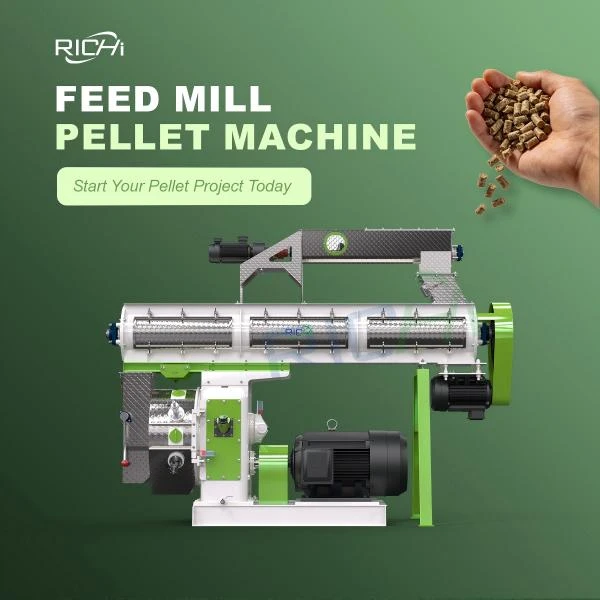
Modern feed production technology allows farmers to customize pellet formulas according to animal species, growth stages, and production goals. Equipment such as a goat feed making machine helps convert forage, grains, protein sources, and mineral supplements into high-quality goat feed pellets that support healthy growth and efficient production.
This article explains why animal feed pellets are important for livestock growth and how pellet feed technology improves modern farming efficiency.
1. The Relationship Between Feed Quality and Livestock Growth
Animal growth is closely connected with feed quality. Livestock require a balanced supply of energy, protein, fiber, minerals, vitamins, and other nutrients to maintain normal physiological functions and achieve good production performance.
Poor-quality feed can lead to:
- Slow growth rates
- Low weight gain
- Reduced milk production
- Weak immunity
- Poor reproductive performance
High-quality feed, on the other hand, provides animals with the nutrients needed for:
- Muscle development
- Bone growth
- Healthy digestion
- Disease resistance
- Efficient production
However, simply providing feed ingredients is not enough. The form and processing method of feed also influence how effectively animals can utilize nutrients.
Animal feed pellets improve feed quality by combining multiple ingredients into a consistent and easily consumed form.
2. What Are Animal Feed Pellets?
Animal feed pellets are processed feed products made by compressing a mixture of ingredients into small cylindrical shapes. The pelletizing process uses mechanical pressure to bind feed particles together.
Common ingredients used in animal feed pellets include:
- Corn
- Wheat
- Barley
- Soybean meal
- Rice bran
- Wheat bran
- Grass meal
- Alfalfa
- Fish meal
- Mineral additives
- Vitamin supplements
The exact formula depends on the nutritional requirements of different livestock.
For example:
- Dairy cattle require feed with sufficient energy and protein for milk production.
- Sheep and goats need adequate fiber to maintain healthy rumen function.
- Poultry requires highly digestible feed for rapid growth.
- Pigs need balanced nutrients for efficient weight gain.
During pellet production, ingredients are crushed, mixed, conditioned, and compressed into uniform pellets. This process improves the physical characteristics of feed while maintaining nutritional value.
3. Improving Nutrient Balance and Feed Intake
One of the most important advantages of animal feed pellets is their ability to provide balanced nutrition.
When animals consume loose feed, they may select certain ingredients based on taste or texture. For example, livestock may eat more grains while leaving behind fibrous materials or mineral additives.
This selective feeding behavior can result in:
- Nutritional imbalance
- Reduced feed efficiency
- Uneven animal growth
Pellet feed solves this problem because all ingredients are combined into every pellet.
Each pellet contains a consistent proportion of:
- Energy sources
- Protein ingredients
- Fiber materials
- Minerals
- Vitamins
This ensures that animals receive complete nutrition with every feeding.
For goat farming, balanced nutrition is especially important because goats require proper fiber levels for rumen digestion. A goat feed making machine allows farmers to process various ingredients into uniform pellets that support healthy digestion and growth.
https://richipelletizer.com/goat-feed-pellet-making-machine
4. Enhancing Feed Digestibility
The pellet production process improves the digestibility of animal feed.
Before pelletizing, raw materials usually go through grinding and conditioning processes. Grinding reduces particle size, while conditioning uses moisture and heat to improve feed structure.
These processes provide several benefits:
Smaller Particle Size
Crushed ingredients are easier for animals to digest and absorb.
Improved Nutrient Availability
Heat and moisture during conditioning help release nutrients from feed materials.
Better Feed Utilization
Animals can obtain more nutritional value from the same amount of feed.
Improved digestibility means animals require less feed to achieve the same growth performance, which helps farmers reduce feeding costs.
5. Increasing Feed Conversion Efficiency
Feed conversion ratio (FCR) is an important indicator in livestock production. It measures how efficiently animals convert feed into body weight or production output.
A lower feed conversion ratio means better feed efficiency.
Animal feed pellets can improve FCR because they:
- Reduce nutrient loss
- Improve digestibility
- Prevent ingredient separation
- Encourage consistent feed intake
When animals receive balanced nutrients and consume feed efficiently, they can grow faster and achieve better production results.
For commercial livestock farms, improved feed conversion efficiency can significantly increase profitability.
6. Reducing Feed Waste
Feed waste is a major economic challenge in livestock production. Unused feed represents lost investment and increases production costs.
Traditional loose feed can easily create waste because:
- Animals scatter feed during eating
- Fine particles become airborne
- Feed becomes contaminated on the ground
- Animals select preferred ingredients
Pellet feed reduces these problems.
Because pellets are compact and uniform:
- Less feed is lost during transportation
- Animals consume more of the provided feed
- Feed storage losses are reduced
- Feeding management becomes easier
Reducing feed waste allows farmers to maximize the value of every kilogram of feed produced.
7. Improving Feed Storage and Transportation
Feed storage is an important consideration for livestock farms, especially large-scale operations.
Powder feed and loose forage often require large storage spaces and may absorb moisture easily. This can lead to:
- Mold development
- Nutrient degradation
- Reduced feed quality
Pellet feed has several advantages:
Higher Density
Pellets occupy less space than loose materials.
Better Stability
Compact pellets are less affected by environmental conditions.
Easier Transportation
Pellets can be transported and handled more efficiently.
These characteristics make pellet feed suitable for farms, feed distributors, and commercial livestock operations.
8. Supporting Different Livestock Species
One major advantage of animal feed pellets is their flexibility. Pellet formulas can be adjusted according to different animal requirements.
Goat Feed Pellets
Goats require balanced diets containing fiber, protein, minerals, and energy.
A goat feed formula may include:
- Alfalfa
- Grass
- Corn
- Soybean meal
- Wheat bran
- Mineral supplements
A goat feed making machine helps farmers produce customized goat pellets with consistent quality.
Cattle Feed Pellets
Cattle require high-fiber feed to support rumen health. Pelletized forage improves nutrient intake and reduces feed selection.
Sheep Feed Pellets
Sheep benefit from pellets because they provide balanced nutrition and improve feeding efficiency.
Poultry Feed Pellets
Pellets help poultry consume complete diets and improve growth performance.
Pig Feed Pellets
Pellet feed improves nutrient absorption and supports efficient weight gain.
The ability to customize feed formulas makes pellets suitable for almost all livestock production systems.
9. Improving Animal Health
Nutrition has a direct impact on animal health. Animals receiving balanced diets generally have stronger immunity and better resistance to disease.
Animal feed pellets support animal health by providing:
- Stable nutrient intake
- Balanced mineral supply
- Proper energy levels
- Improved digestion
For example, goats receiving properly formulated pellets can maintain better body condition, stronger immunity, and improved reproductive performance.
Healthy animals require fewer treatments and usually achieve better production results.
10. Simplifying Farm Feeding Management
Feeding livestock requires significant labor, especially on medium and large farms.
Traditional feeding methods often involve:
- Manual ingredient mixing
- Separate storage of feed components
- Frequent preparation work
- Uneven feeding distribution
Pellet feed simplifies these tasks.
Farmers can:
- Store finished pellets easily
- Measure feed quantities accurately
- Use automatic feeding systems
- Reduce labor requirements
This improves overall farm management efficiency.
11. The Role of Feed Pellet Machines in Livestock Production
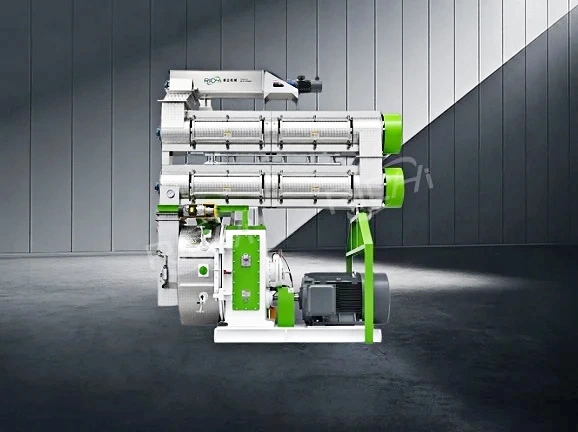
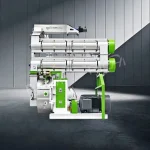
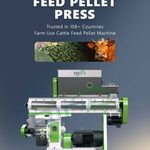
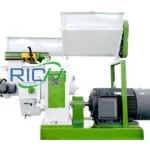
Efficient animal feed pellet making machines are essential equipment for producing high-quality animal feed pellets.
A complete pellet production system usually includes:
- Crusher
- Mixer
- Conditioner
- Pellet machine
- Cooler
- Screening equipment
- Packaging machine
Different machines are designed for different production needs.
For goat farming, a goat feed making machine provides an efficient solution for producing nutritious pellets from locally available materials. It can process ingredients such as grass, grains, and agricultural byproducts into feed suitable for different goat growth stages.
Reliable pellet machines offer:
- Stable operation
- High production efficiency
- Uniform pellet quality
- Lower operating costs
Choosing suitable equipment is important for achieving long-term production success.
12. Supporting Sustainable Livestock Farming
Animal feed pellets also contribute to sustainable agriculture.
They help farmers:
Utilize Agricultural Byproducts
Materials such as crop residues and forage waste can be converted into valuable feed.
Reduce Resource Waste
Better feed utilization means fewer resources are required.
Improve Production Efficiency
Higher productivity reduces the environmental impact per unit of animal product.
Support Local Feed Production
Farmers can use locally available ingredients instead of relying heavily on imported feed.
Sustainable feed production is becoming increasingly important as global agriculture focuses on resource conservation.
13. Future Development of Animal Feed Pellets
The future of livestock production will continue to focus on efficiency, precision, and sustainability.
Future trends include:
- Automated feed production systems
- Customized nutrition solutions
- Improved pellet quality control
- Energy-efficient pellet machines
- Greater use of agricultural waste resources
As technology advances, animal feed pellets will become even more important for modern farming.
Advanced equipment, including specialized machines for different livestock species, will help farmers produce better feed while reducing costs.
Conclusion
Animal feed pellets play an important role in improving livestock growth by providing balanced nutrition, increasing feed efficiency, reducing waste, and simplifying feeding management. Compared with traditional loose feed, pellet feed offers better nutrient distribution, improved digestibility, and easier storage and transportation.
For livestock producers, investing in efficient pellet production technology can significantly improve farm productivity and profitability. Equipment such as the goat feed pellet making machine allows farmers to transform various feed ingredients into high-quality pellets that meet the nutritional needs of goats.
As the livestock industry continues to develop, animal feed pellets will remain a key solution for achieving healthier animals, more efficient farming operations, and more sustainable agricultural production.