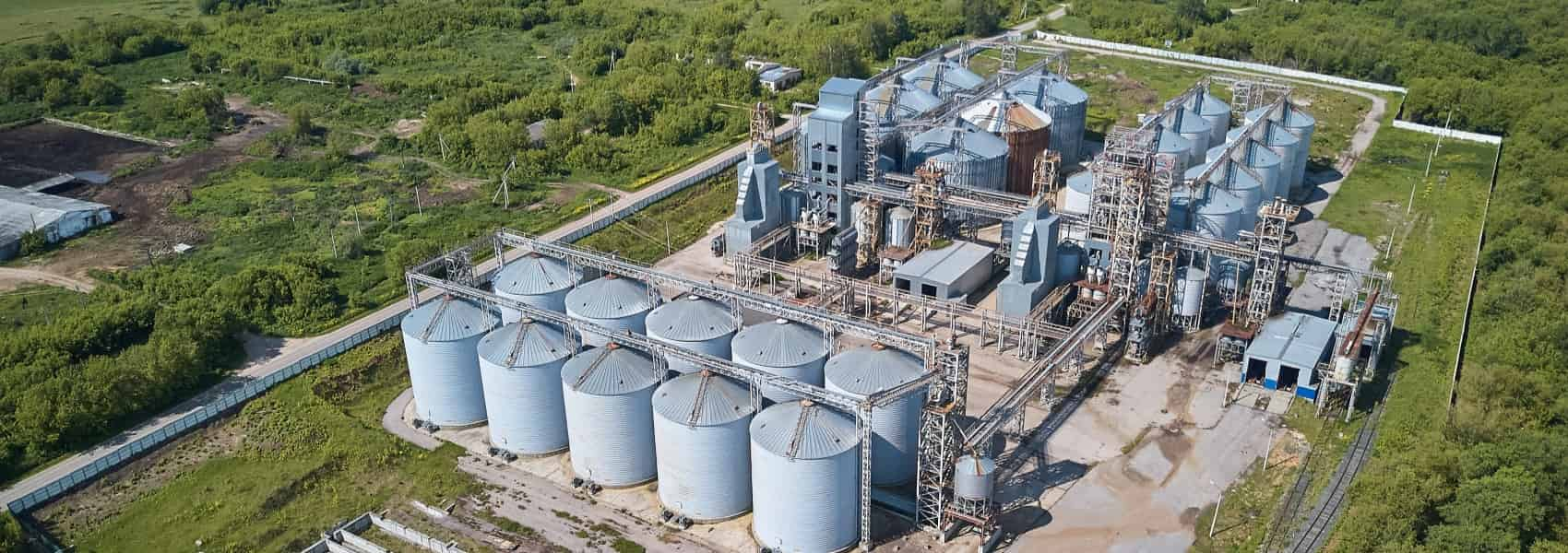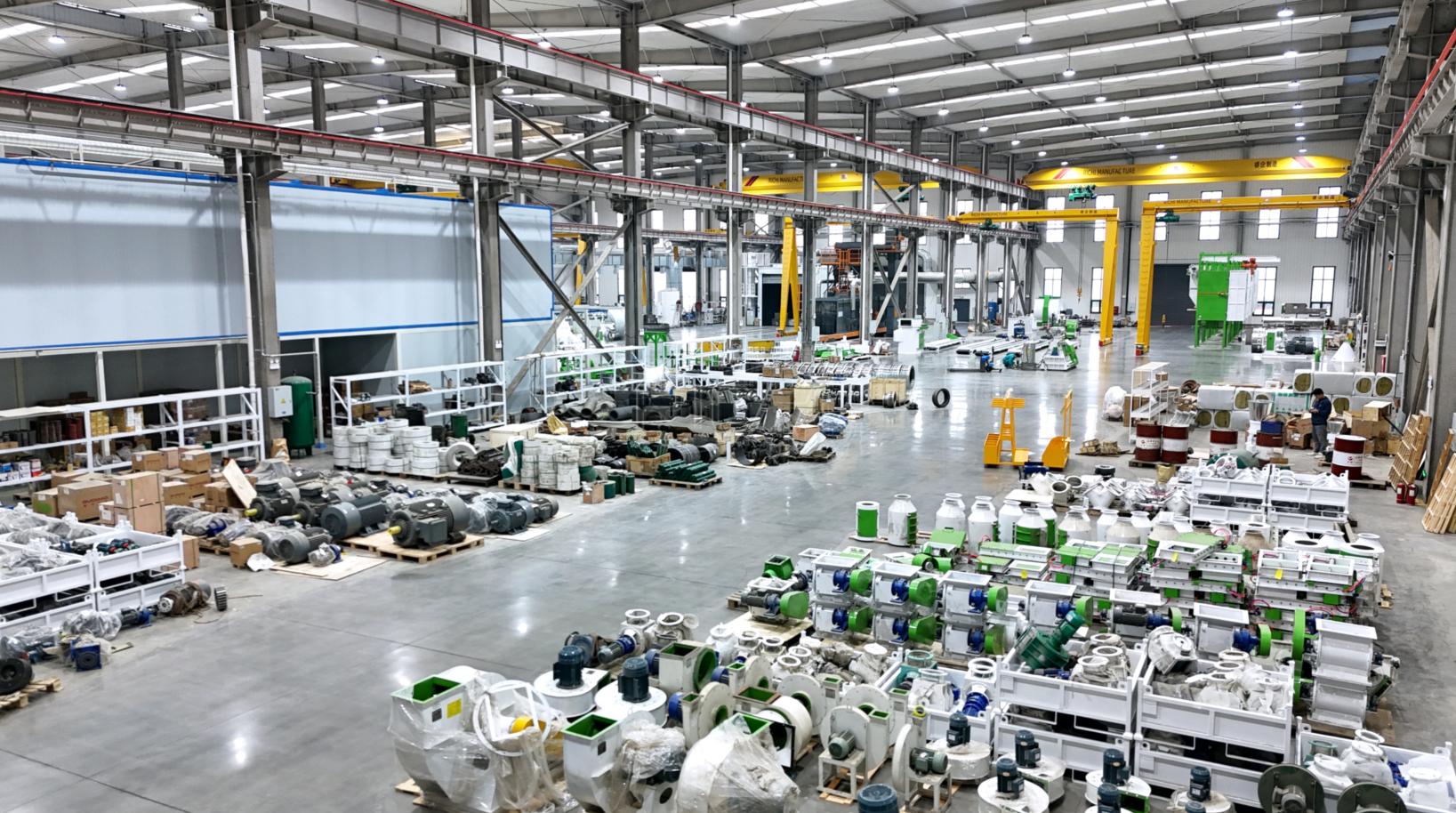





An empty building, an available power connection and a purchased dryer do not automatically make an EFB drying project ready to operate. Empty fruit bunches are bulky, fibrous and variable in moisture and physical form. The dryer must be integrated with receiving, feeding, heat supply, exhaust handling, product transfer and the downstream process. The practical question is therefore not simply which dryer to buy, but whether the site can support the complete drying duty from the first delivery of wet material to the stable discharge of dried material.
For project owners, the most useful preparation work happens before equipment arrives. Confirm the material route, civil interfaces, utility capacities, access for maintenance and the acceptance conditions for commissioning. These checks reduce the risk of a machine being installed correctly but unable to run at its intended rate because a conveyor, fuel system, electrical supply or discharge point is not ready.
Define the EFB condition the dryer must receive
EFB is not a uniform, free-flowing granular material. Its moisture, fibre length, bulk density, contamination level and degree of shredding can change between suppliers, seasons and storage conditions. These characteristics influence how material is metered, conveyed and exposed to heat. A dryer specification based only on a nominal tonnes-per-hour figure can conceal a major difference between the design feed and the material that will actually arrive.
Before finalizing the layout, collect representative samples from the intended supply stream. Record incoming moisture on a wet-basis or dry-basis method consistently; do not mix the two when comparing results. Also record the range rather than relying on one average. Note whether the EFB is whole, shredded, pressed, mixed with other residues or stored outdoors. If the feed changes substantially, the feeding and drying arrangement may need adjustment.
Translate the material route into a site layout
Map the route from truck unloading to final dried-material storage. The receiving area needs enough space for vehicle movement and temporary storage without blocking the feed system. A receiving hopper should be designed around the actual fibre length and bulk behaviour. Narrow transitions, abrupt changes in direction and undersized openings can create bridging or irregular feeding. Where size reduction is required, place it upstream and provide access for clearing and maintenance.
Next, check the interfaces between conveyors, metering devices, dryer inlet, discharge conveyors and downstream equipment. Their capacities must be coordinated. A dryer cannot maintain steady operation if the upstream conveyor surges or if downstream equipment repeatedly stops and fills the discharge section. Include isolation points and safe access around transfer points. Allow room to remove wear components and inspect bearings, seals, drive units and internal parts without dismantling unrelated structures.
Record normal and limiting conditions in the operating documentation. Operators should know which measurements trigger a process adjustment and when the material should be held for inspection rather than fed automatically. This creates a practical link between the feedstock specification, dryer control strategy and finished-material acceptance criteria.
Check utilities before civil work is completed
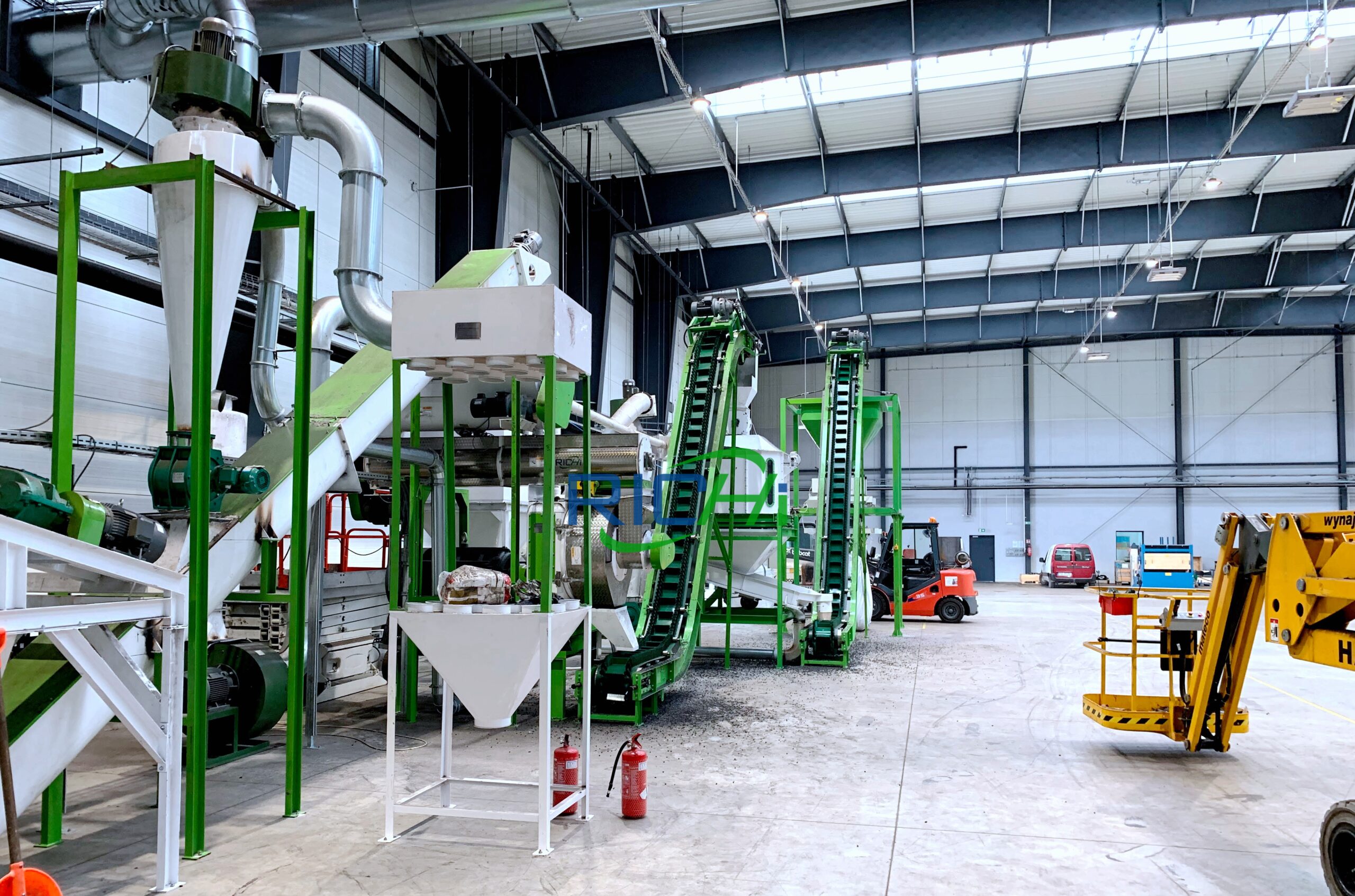
Heat supply is a project-level decision. The available fuel, its moisture and ash characteristics, local emissions requirements and operating cost all affect the heat-source arrangement. The heat system must deliver the required duty under realistic operating conditions, not merely match a nameplate rating. Confirm fuel storage, handling, combustion equipment, controls, chimney or exhaust routing, ash removal and fire-protection provisions as one package.
Electrical planning should cover the installed load and the starting characteristics of motors. Prepare a motor list that includes the dryer drive, fans, conveyors, shredders, pumps and auxiliary systems. Verify voltage, frequency, transformer capacity, cable routes, protection devices, grounding and control-panel location. Dust, heat and vibration can affect electrical equipment, so panel placement and cable protection should reflect the operating environment.
Do not overlook process air and exhaust. The exhaust system must handle the expected moisture vapour and entrained fines while meeting applicable environmental requirements. Duct routing, access doors, inspection points and cleaning provisions should be settled during layout design. If dust collection is required, verify the collector’s duty and the safe handling of collected material. Actual design values must be established from the material test and equipment engineering rather than guessed from a generic reference.
Use a readiness matrix to control installation risk
The project manager should maintain a readiness register that assigns an owner and evidence to each interface. A statement such as “power is ready” is insufficient unless the supply has been tested against the connected load. The following matrix is a practical handover tool for the owner, civil contractor, electrical contractor and equipment supplier.
| Work package | Evidence required before installation | Typical consequence if incomplete |
|---|---|---|
| Receiving and storage | Truck access, unloading area, floor loading and material buffer confirmed | Interrupted feeding or unsafe material handling |
| Civil foundation | Approved drawings, levels, anchor locations and concrete strength records | Alignment work, vibration or delayed erection |
| Mechanical interfaces | Conveyor elevations, transfer openings and maintenance clearances checked | Choking, spillage or inaccessible components |
| Heat supply | Fuel specification, heat duty, storage and safety provisions reviewed | Insufficient or unstable drying energy |
| Electrical supply | Load schedule, cable sizing, protection and grounding tested | Motor trips, unsafe operation or delayed start-up |
| Exhaust and dust | Ducts, collection equipment, discharge and inspection access completed | Dust accumulation, emissions or restricted throughput |
| Downstream handling | Discharge conveyor and storage capacity demonstrated | Dryer stoppages despite available wet feed |
Plan commissioning around measurable acceptance criteria
Commissioning should progress from mechanical completion to unloaded checks, controlled material introduction and sustained operation. Before energizing the system, verify guards, emergency stops, lubrication, belt tracking, fasteners, rotation direction, instrument calibration and access platforms. Confirm that operators understand isolation and lockout procedures. A no-load run can identify abnormal noise, vibration, heating or alignment problems before material is introduced.
For material trials, agree in advance on the incoming EFB condition, feed rate, operating period, sampling method and required discharge condition. Measure inlet and outlet moisture using the same agreed method. Record feed rate, heat input, exhaust conditions, motor current, interruptions and product handling behaviour. A single grab sample is not enough to establish stable performance; samples should be taken at defined intervals after the process has reached a reasonably steady state.
Acceptance should distinguish between equipment capability and project conditions. If feed moisture is outside the agreed range, the trial cannot fairly demonstrate the specified duty. If the downstream conveyor is unavailable, the dryer cannot be evaluated at sustained operation. Document deviations and agree corrective actions rather than treating every interruption as a dryer defect or, conversely, dismissing equipment-related problems as site issues.
Prepare the maintenance and operator handover
Before production starts, establish the inspection routine for bearings, seals, belts, chains, flights, screens, fans and drive components as applicable to the selected design. Keep critical wear parts accessible and identify the parts that require special tools or lifting equipment. The owner should receive a recommended spare-parts list linked to expected operating hours, material abrasiveness and local procurement lead times. A low-cost component that takes weeks to obtain can create a costly shutdown.
Operator training should cover normal start and stop sequences, feed-rate adjustment, response to blockages, alarm interpretation, safe cleaning, lubrication and emergency isolation. Training is more effective when performed with the actual material and the installed control system. Record the operating limits and escalation procedure in a site-specific manual; do not rely on verbal instructions alone.
When should the project scope be revised?
Revise the design if sample tests show a wider moisture range than expected, if EFB arrives in a different physical form, if the intended fuel is unreliable, or if the downstream process cannot accept the proposed discharge. A change in capacity may also require larger receiving buffers, conveyors, exhaust equipment, electrical infrastructure and storage. These are system consequences, not isolated machine upgrades.
Likewise, a site with limited headroom, restricted crane access or a long route between receiving and processing may need a different equipment arrangement. Resolve these constraints with drawings and interface data before fabrication. The lowest-risk solution is the one whose material, utility and maintenance interfaces are all demonstrably compatible.
Questions to settle before issuing the purchase order
- What incoming EFB moisture range and physical form will the supplier use for sizing?
- What is included in the quoted dryer package, and which conveyors, fans, ducts and heat-source components are excluded?
- Who supplies foundations, steel platforms, cables, fuel storage and exhaust works?
- Which operating measurements define acceptance, and how long must the trial run?
- What maintenance access, lifting provisions and recommended spare parts are required?
- Who is responsible for operator training and the final operating documentation?
These questions make quotations comparable and prevent responsibilities from falling between contractors. For a project-specific equipment discussion, review the EFB dryer application and configuration against the measured feedstock and the site’s utility conditions. A useful enquiry should include material samples, target throughput, incoming moisture range, required outlet condition, available heat source, site drawings and the intended downstream process.
An EFB dryer project is ready when the complete route can receive, feed, dry, discharge and maintain the material safely. Treating site preparation, utility verification, commissioning and operator handover as one coordinated work package gives the owner a much stronger basis for achieving stable production than purchasing the dryer first and resolving interfaces later.
Distinguish dryer performance from the complete EFB system
When reviewing a dryer proposal, separate the equipment’s thermal and mechanical duty from the performance of the whole plant. The dryer supplier may be responsible for the drying chamber, drive, fans and controls, while the owner or another contractor supplies the shredder, feed conveyor, heat generator, exhaust duct, dust collector and product transfer system. Each interface needs a defined capacity, connection point and responsible party. Without this division, a project can reach mechanical completion while important auxiliary equipment remains unavailable.
Ask for the design basis in writing: incoming material form and moisture range, required evaporation duty, expected discharge condition, operating hours and the assumptions used for heat consumption. Clarify whether performance is measured at the dryer outlet or at the point where material enters downstream storage. Material can pick up moisture again during transfer or storage, so the sampling location must match the acceptance requirement. If the plant uses a variable fuel, agree how fuel quality and availability will be documented during the test.
Prepare for seasonal feedstock and operating changes
EFB supply can change with harvesting schedules, storage time and weather. The project should define how the plant will respond when feed moisture or fibre condition moves outside the normal range. Possible responses include reducing feed rate, changing the preparation method, using a different heat input or blending material from separate storage lots. These options should be reviewed before commissioning because they may require buffer capacity, control adjustments or additional handling equipment.
Frequently Asked Questions About EFB Dryer Project Planning
What EFB moisture data is required before selecting a dryer?
Provide representative inlet-moisture samples and the expected minimum, average and maximum values. State whether moisture is measured on a wet basis, and describe whether the EFB is whole, shredded, pressed or mixed with other residues. The dryer duty should be based on this feed condition and the required outlet moisture.
Does EFB need to be shredded before entering the dryer?
That depends on the dryer design and the incoming fibre size. Long, bulky EFB may require size reduction to achieve steady feeding and suitable material exposure. Confirm the maximum acceptable feed size and whether shredding is included in the quoted scope.
How should I compare EFB dryer capacity quotations?
Compare them using the same inlet moisture, feed form, wet-feed rate, target outlet moisture and operating hours. Also check whether the quoted capacity refers to wet material entering the dryer or dried material leaving it. A capacity figure without these conditions is not a reliable basis for comparison.
Which auxiliary equipment should be included in an EFB dryer project?
Check the scope for feed and discharge conveyors, metering equipment, heat source, fuel handling, exhaust ducting, dust collection and downstream storage or processing. Ask for an itemized list showing which party supplies each item, together with the required electrical and civil interfaces.
What should the EFB dryer commissioning test verify?
Use representative EFB and agree the inlet condition, feed rate, sampling points, test duration and outlet-moisture requirement in advance. Record inlet and outlet moisture, throughput, heat input and interruptions after stable operation is reached. The downstream discharge system must also be ready during the test.