




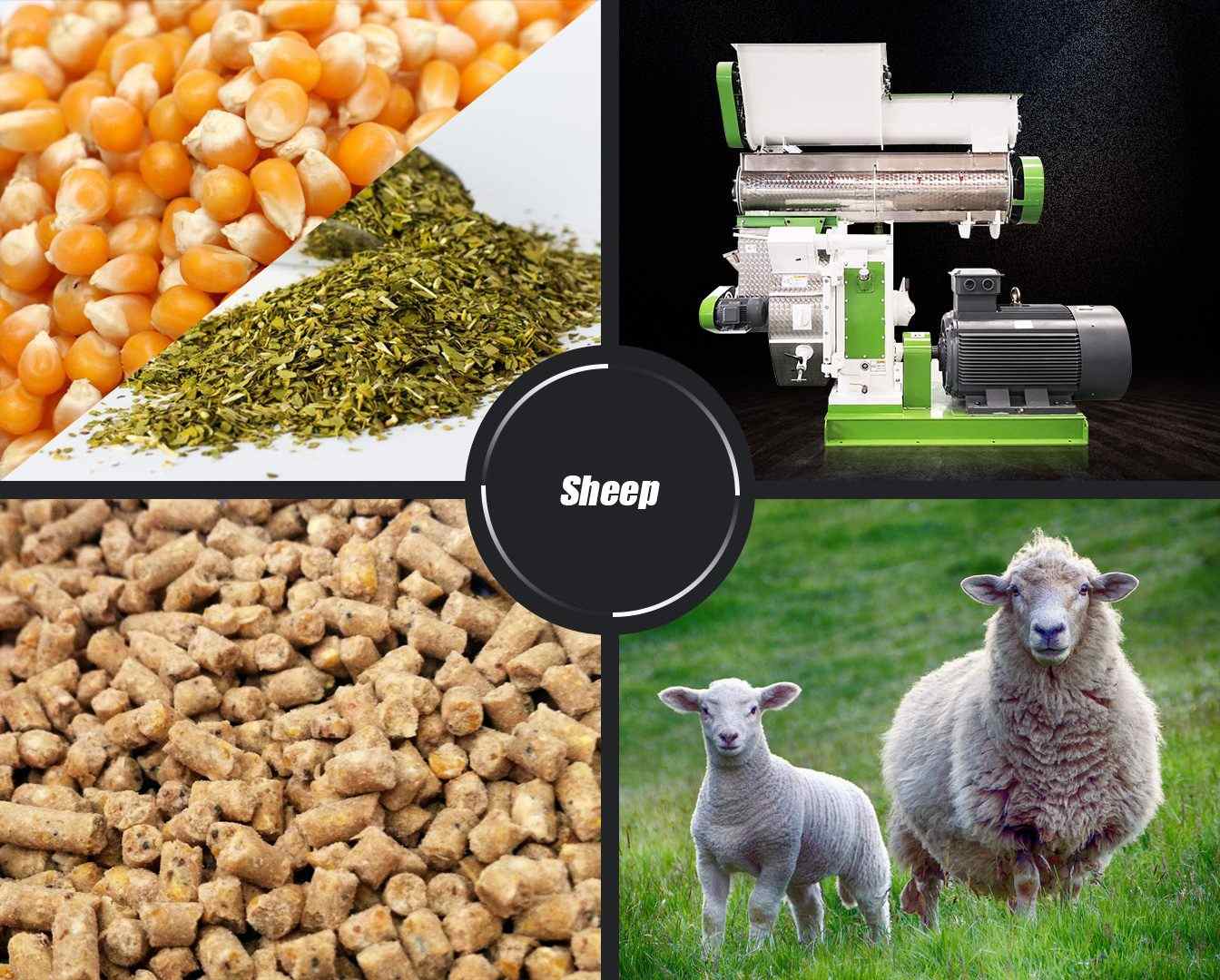
Goats and sheep are important livestock animals raised for meat, milk, breeding, fiber, and other agricultural products. Regardless of the production purpose, proper nutrition is essential for maintaining animal health and achieving good farm performance. Forage is usually the foundation of feeding programs for these ruminants, but forage alone may not always provide sufficient energy, protein, minerals, and other nutrients, particularly during rapid growth, pregnancy, lactation, or intensive production.
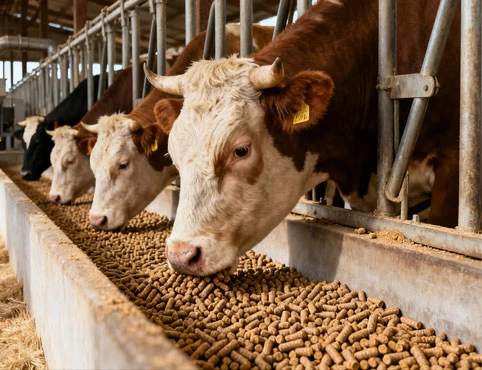
One practical solution is to produce goat and sheep feed pellets. Pelleting can combine different feed ingredients into a uniform and easy-to-handle form. It can also reduce ingredient separation, decrease dust, simplify storage and transportation, and make feed distribution more convenient.
For farmers interested in how to make goat feed, the process starts with selecting suitable local ingredients and developing a balanced formula. The ingredients then need to be cleaned, ground, accurately weighed, mixed, conditioned, pelleted, cooled, screened, and packaged. The same general approach can be adapted to sheep feed, although the final formula should be adjusted according to the nutritional requirements of the target animals.
This guide explains how to make goat and sheep feed pellets step by step, from raw material selection to finished pellet storage.
1. Why Make Goat and Sheep Feed Pellets?
Before discussing the production process, it is useful to understand why farmers choose pelletized feed.
Compared with loose feed mixtures, properly manufactured pellets can provide several advantages.
Uniform Feed Composition
When ingredients are accurately formulated and thoroughly mixed before pelleting, nutrients can be distributed more consistently throughout the finished product.
Reduced Ingredient Separation
Loose mixtures may separate during transportation and handling. Pelleting helps hold different ingredients together in a uniform physical form.
Easier Handling
Pellets are convenient to transport, weigh, store, and distribute.
Lower Dust
Properly produced pellets generally create less dust than finely ground feed, which can make feeding and handling more convenient.
Better Use of Feed Ingredients
Pelleting allows suitable grains, protein sources, bran, forage meals, minerals, and other ingredients to be combined into one product.
However, pellets should be considered part of a complete feeding strategy rather than automatically replacing good-quality forage.
2. Determine the Nutritional Requirements
The first step in making goat and sheep feed pellets is to determine what the animals actually need.
Nutritional requirements vary according to:
- Species
- Breed
- Age
- Body weight
- Growth rate
- Pregnancy
- Lactation
- Meat production goals
- Milk production goals
- Forage quality
For example, a rapidly growing lamb requires a different nutritional balance from an adult maintenance ewe. Likewise, a lactating dairy goat may require more energy and protein than a mature goat that is not producing milk.
Therefore, the formula should be developed for a specific class of animal rather than using one universal recipe.
A qualified livestock nutritionist can help establish appropriate nutrient targets.
3. Choose Suitable Local Ingredients
The next step is to identify feed ingredients that are available and economical in the local area.
Common ingredients include:
Energy Sources
- Corn
- Barley
- Wheat
- Sorghum
- Oats
- Cassava products
Protein Sources
- Soybean meal
- Sunflower meal
- Rapeseed meal
- Peanut meal
- Alfalfa
- Legume forage
Fiber Sources
- Grass hay
- Alfalfa hay
- Wheat bran
- Rice bran
- Suitable crop residues
Other Ingredients
- Molasses
- Vegetable oil
- Salt
- Mineral premixes
- Vitamin premixes
Not every ingredient needs to be included in every formula. The best combination depends on availability, nutritional value, price, and animal requirements.
4. Use High-Quality Forage
Goats and sheep are ruminants, so forage is an important part of their diets.
Suitable forage may include:
- Alfalfa
- Timothy
- Rhodes grass
- Napier grass
- Clover
- Bermuda grass
- Other suitable pasture plants
Forage provides fiber needed for proper rumen function.
High-quality forage can also contribute significant protein, energy, minerals, and other nutrients.
When making pellets, forage may be chopped and ground before being incorporated into a complete feed or concentrate pellet.
However, the nutritional value of forage varies considerably depending on plant maturity, harvesting conditions, moisture, and storage.
5. Analyze the Raw Materials
Do not formulate feed based solely on ingredient names.
The nutritional composition of agricultural materials can vary between suppliers and batches.
Where possible, producers should evaluate:
- Moisture
- Crude protein
- Crude fiber
- Fat
- Ash
- Energy
- Minerals
- Potential contaminants
Special attention should be paid to mold and mycotoxin risks in grains and agricultural by-products.
The purpose of ingredient analysis is to determine what nutrients each material actually contributes to the final formula.
6. Develop a Balanced Feed Formula
Once the ingredients have been selected and analyzed, a balanced formula can be developed.
A typical pellet formula may combine:
Energy ingredient + Protein ingredient + Fiber source + Mineral source + Vitamin premix + Other suitable additives
The proportions should be calculated according to the target animal’s nutritional requirements.
For example, a formula for growing lambs may prioritize adequate protein and energy for growth, while a maintenance diet for mature sheep may have a different nutrient density.
Similarly, dairy goats producing large quantities of milk need a diet capable of supporting milk production.
The goal should be to produce feed that meets nutritional requirements at a reasonable cost—not simply the cheapest possible feed.
7. Prepare the Ingredients
After formulation, the raw materials need to be prepared for processing.
The basic preparation process can include:
Receiving → Cleaning → Grinding → Batching → Mixing
Foreign materials such as stones, metal, soil, and other debris should be removed.
A cleaning system can protect downstream equipment and improve feed hygiene.
The raw materials should also be stored properly before processing.
8. Grind the Raw Materials
Grinding reduces the particle size of grains and other suitable ingredients.
A hammer mill is commonly used to process materials such as:
- Corn
- Wheat
- Barley
- Sorghum
- Dried cassava
- Other dry feed ingredients
Grinding can improve:
- Mixing uniformity
- Pellet formation
- Pellet durability
- Feed consistency
However, excessively fine grinding can increase electricity consumption, dust, and processing costs.
The ideal particle size depends on the formula, pellet diameter, and production requirements.
9. Chop and Process Forage
If forage is incorporated into pellet production, it may need to be chopped before grinding.
Long forage can be difficult to feed into some processing systems.
A forage cutter or crusher can reduce the length of:
- Hay
- Straw
- Grass
- Alfalfa
- Other suitable fibrous materials
After chopping, the material can be further processed according to the requirements of the pellet mill.
The moisture content of forage is also important. Materials that are excessively wet may create pelleting and storage problems.
10. Accurate Batching
After grinding, the ingredients need to be weighed according to the feed formula.
Small farms may use manual weighing systems.
Commercial feed factories generally use automatic batching systems.
Accurate batching is particularly important when the formula contains small amounts of:
- Minerals
- Vitamins
- Salt
- Premixes
- Other additives
A small weighing error can have a greater effect when an ingredient is included at a very low level.
11. Mix the Ingredients Thoroughly
After batching, all ingredients are transferred to a mixer.
The mixer should distribute the materials evenly throughout the batch.
A typical mixture may contain:
- Ground grains
- Protein meals
- Bran
- Forage meal
- Minerals
- Vitamins
- Salt
- Other feed ingredients
Uniform mixing is essential because it ensures that the nutritional composition of the finished feed is consistent.
Mixing time should be optimized according to the mixer type and formula.
Overmixing wastes energy and time, while insufficient mixing can cause uneven nutrient distribution.
12. Add Liquid Ingredients Carefully
Some formulas may contain liquid ingredients such as molasses or vegetable oil.
These can provide energy, improve palatability, reduce dust, or influence pellet binding.
However, liquid ingredients must be added carefully.
Excessive liquid can:
- Reduce pellet quality
- Cause blockages
- Increase drying or cooling requirements
- Reduce storage stability
Liquid addition should therefore be controlled according to the feed formula and equipment configuration.
13. Condition the Feed Before Pelleting
For commercial pellet production, conditioning is often an important step.
Steam conditioning introduces heat and moisture into the feed mixture before it enters the pellet mill.
Proper conditioning can:
- Soften feed particles
- Improve pellet formation
- Improve pellet durability
- Support starch gelatinization
- Increase pellet mill capacity
- Reduce fines
The ideal conditioning parameters depend on the formula.
Different combinations of grains, forage, protein meals, and other materials can respond differently to heat and moisture.
14. Choose the Right Pellet Mill
The pellet mill is the core machine in pellet production.
The appropriate machine depends on:
- Required production capacity
- Feed formula
- Pellet diameter
- Raw material characteristics
- Operating hours
- Budget
- Automation level
For small farms, a compact flat-die pellet mill may be suitable.
For larger farms and commercial feed factories, a ring-die pellet mill may provide higher capacity and more continuous operation.
The pellet mill should be selected based on actual production requirements rather than purchasing the largest available machine.
https://pelletisingmachine.com/goat-feed-pellet-making-machine
15. Set the Correct Pellet Diameter
Pellet diameter should be appropriate for the target animals.
Young kids and lambs may require smaller pellets that are easy to consume.
Adult goats and sheep can generally consume larger pellets.
Different pellet diameters can be produced by changing the die.
The final selection should consider:
- Animal age
- Feeding system
- Feed formula
- Production capacity
- Pellet durability
A flexible production system can use multiple dies for different products.
16. Pelletizing the Feed
Once the feed mixture has been conditioned, it enters the pellet mill.
The machine uses rollers to compress the material through holes in the die.
The compressed material emerges as continuous strands and is cut into pellets.
Pellet quality is affected by:
- Raw material composition
- Particle size
- Moisture
- Conditioning
- Die compression
- Roller adjustment
- Machine condition
If the material is too dry, pellets may be weak.
If it is too wet, pellets may become soft and difficult to cool and store.
Proper adjustment is therefore essential.
17. Cool the Fresh Pellets
Fresh pellets leave the pellet mill at an elevated temperature.
They should be cooled before storage.
A counterflow pellet cooler is commonly used in commercial production.
Cooling removes:
- Heat
- Excess moisture
Proper cooling improves:
- Pellet stability
- Storage life
- Handling
- Product quality
Small-scale producers may use simple cooling methods, but commercial operations generally benefit from mechanical cooling.
18. Screen the Finished Pellets
After cooling, the pellets should be screened.
Screening separates:
- Finished pellets
- Fines
- Broken pellets
- Oversized particles
Fines can often be recycled into the production process.
Screening helps improve the consistency and appearance of the final product.
It also prevents excessive fines from entering finished feed bags.
19. Package the Goat and Sheep Feed Pellets
Once the pellets have passed quality control, they can be packaged.
Packaging options include:
- Small bags
- Large bags
- Bulk storage
- Automatic bagging systems
The packaging should protect feed from:
- Moisture
- Dust
- Contamination
- Physical damage
For commercial products, automatic weighing and packaging equipment can improve production efficiency.
20. Store the Finished Pellets Properly
Proper storage is just as important as production.
Pellets should be stored in a:
- Dry environment
- Clean warehouse
- Well-ventilated area
- Pest-controlled facility
Bags should not be placed directly on wet floors.
The storage area should also be protected from rain and excessive humidity.
Freshly produced pellets must be adequately cooled before long-term storage.
21. Quality Control for Goat and Sheep Pellets
Good-quality pellets should have consistent:
- Diameter
- Length
- Moisture
- Density
- Durability
Producers can also monitor the percentage of fines.
Excessive fines may indicate problems with:
- Formula
- Grinding
- Conditioning
- Die selection
- Roller adjustment
- Cooling
- Material handling
Regular quality control helps identify problems before they become major production issues.
22. How to Make Goat Feed at Different Production Stages
When considering how to make goat feed, it is important to separate different animal groups.
Growing Kids
Feed should provide adequate protein and energy for growth.
Mature Goats
Feed requirements depend on whether the animals are being maintained, bred, or used for production.
Pregnant Does
Nutrient requirements generally increase as pregnancy progresses.
Lactating Does
Additional energy and protein may be required to support milk production.
Therefore, one pellet formula may not be appropriate for every goat on the farm.
23. How to Make Sheep Feed for Different Production Goals
The same principle applies to sheep.
Lambs
Require appropriate energy, protein, minerals, and other nutrients for growth.
Ewes
Requirements change according to maintenance, pregnancy, and lactation.
Rams
Need a balanced diet to maintain appropriate body condition and reproductive performance.
Meat Sheep
Feed should support efficient weight gain without unnecessary feed expenditure.
A feed manufacturer can produce different pellet formulas for these groups by changing the ingredient proportions and production settings.
24. Forage and Pellets Should Work Together
Pelleted feed should not automatically replace forage.
Goats and sheep are ruminants and require adequate effective fiber.
A practical feeding program may therefore combine:
Pasture or Hay + Concentrate Pellets + Minerals + Clean Water
The exact balance should be determined according to forage quality, animal requirements, and production objectives.
Good-quality forage can reduce the amount of concentrate required.
25. How to Reduce Feed Production Costs
Producing feed pellets can be economical when the production process is properly managed.
Several strategies can help reduce costs.
Use Local Ingredients
Local corn, barley, wheat, bran, and suitable agricultural by-products may reduce transportation costs.
Buy Strategically
Purchasing appropriate quantities when prices are favorable can reduce ingredient costs.
Reduce Waste
Good storage and material handling minimize losses.
Optimize Grinding
Avoid unnecessarily fine particle sizes.
Maintain the Pellet Mill
Worn dies and rollers can increase energy consumption and reduce capacity.
Recycle Fines
Suitable fines can be returned to the production process.
The goal should always be to reduce unnecessary costs without compromising animal nutrition.
26. Maintaining the Pellet Mill
Regular maintenance helps maintain stable production.
Important components include:
- Die
- Rollers
- Bearings
- Main shaft
- Motor
- Feeder
- Conditioner
- Lubrication system
Operators should regularly check for:
- Abnormal vibration
- Excessive temperature
- Unusual noise
- Reduced capacity
- Poor pellet quality
Worn components should be replaced according to operating conditions and manufacturer recommendations.
27. Small-Scale Goat and Sheep Feed Production
A small farm does not necessarily need a large automated factory.
A compact setup could include:
Crusher → Mixer → Pellet Mill → Cooler → Screener
Some processes can be performed manually.
This approach may be appropriate when daily feed demand is relatively low.
As the farm grows, automatic batching, conveying, cooling, and packaging equipment can be added.
28. Commercial Goat and Sheep Feed Production
A commercial feed factory requires a more comprehensive system.
A typical production line may include:
- Raw material receiving system
- Cleaning equipment
- Hammer mill
- Automatic batching system
- Mixer
- Steam conditioner
- Ring-die pellet mill
- Pellet cooler
- Screening machine
- Packaging machine
- Dust collection system
- Electrical control system
This arrangement allows the production process to operate continuously and efficiently.
(Learn about RICHI industrial livestock feed production line )
29. How to Design a Goat and Sheep Feed Pellet Production Line
Equipment should be selected according to the actual production requirements.
Before designing the system, producers should determine:
Raw Materials
What ingredients are available locally?
Formula
What types of feed will be produced?
Capacity
How many tons of feed are required per hour or per day?
Pellet Specifications
What pellet diameters are required?
Automation
How much manual labor is available?
Factory Space
How much room is available for equipment and storage?
Future Expansion
Will production increase in the future?
These factors determine the appropriate equipment configuration.
30. RICHI Goat and Sheep Feed Pellet Solutions
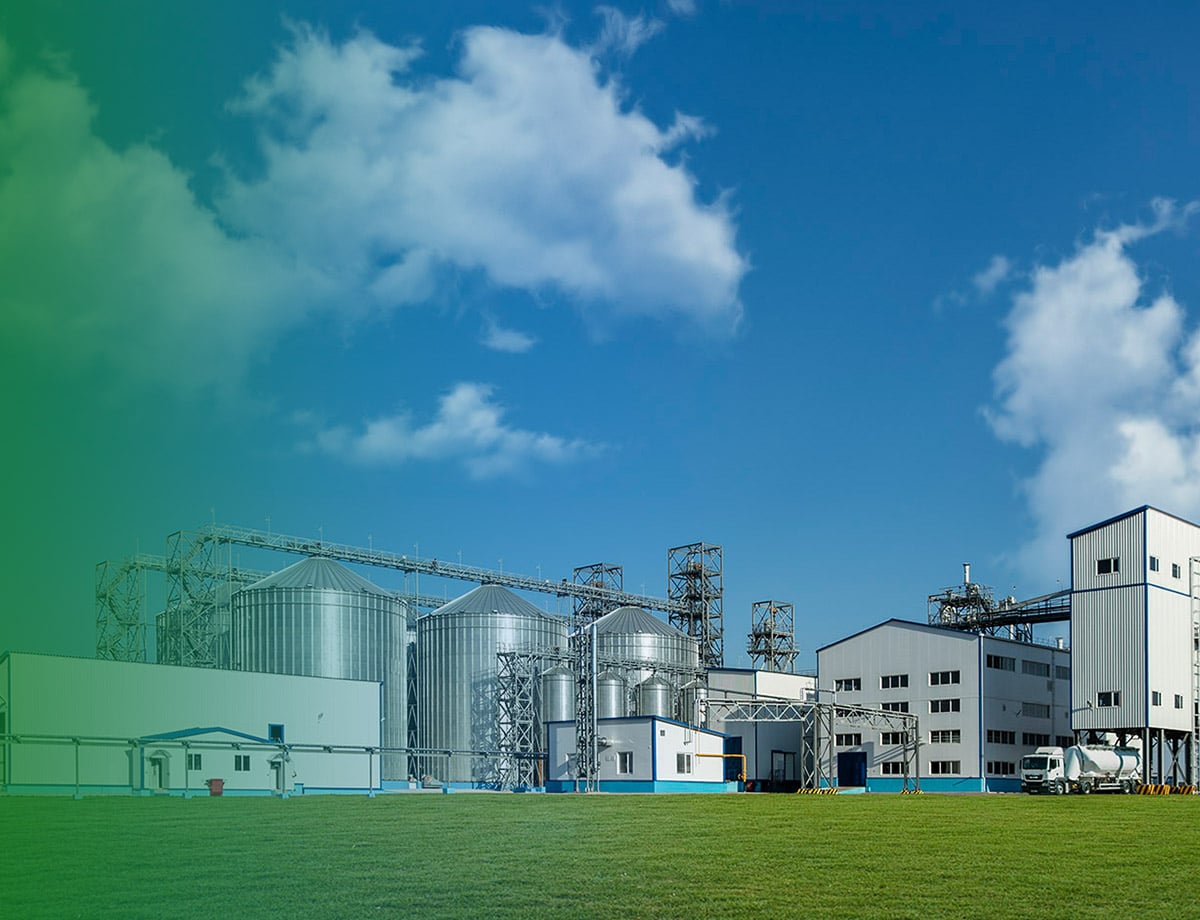
RICHI Machinery provides customized livestock feed processing equipment and turnkey solutions for goat and sheep feed production.
A production system can be designed according to:
- Local raw materials
- Feed formulas
- Production capacity
- Pellet diameter
- Factory layout
- Automation requirements
- Investment budget
A typical process may include:
Cleaning → Crushing → Batching → Mixing → Conditioning → Pelletizing → Cooling → Screening → Packaging
For small-scale farms, a compact system can provide an economical way to produce feed on-site.
For commercial operations, a larger automated system can integrate a high-capacity pellet mill with efficient grinding, batching, mixing, cooling, screening, and packaging equipment.
RICHI’s turnkey services can cover customized production line design, equipment manufacturing, overseas transportation and customs clearance, installation and commissioning, operator training, spare parts supply, and long-term technical support.
This integrated approach allows the entire production process to be planned around the farm’s actual feed requirements and local raw materials.
31. Practical Step-by-Step Summary
For farmers who want a simple overview of how to make goat and sheep feed pellets, the process can be summarized as follows:
Step 1: Identify the Animals
Determine whether the feed is for kids, lambs, growing goats, meat sheep, dairy goats, pregnant animals, or breeding stock.
Step 2: Determine Nutritional Requirements
Set appropriate targets for energy, protein, fiber, minerals, and other nutrients.
Step 3: Select Ingredients
Choose suitable local grains, forage, protein meals, bran, minerals, and other feed materials.
Step 4: Test Ingredient Quality
Check moisture, nutritional value, and contamination risks.
Step 5: Develop the Formula
Combine ingredients according to nutritional requirements.
Step 6: Clean the Materials
Remove stones, metal, soil, and other foreign materials.
Step 7: Grind the Ingredients
Reduce particle size to an appropriate level.
Step 8: Batch and Mix
Accurately weigh and thoroughly mix the ingredients.
Step 9: Condition
Add steam where appropriate to improve pelleting.
Step 10: Pelletize
Use a suitable pellet mill to form uniform pellets.
Step 11: Cool
Remove heat and excess moisture.
Step 12: Screen
Separate finished pellets from fines and broken material.
Step 13: Package
Pack the finished pellets into suitable bags or store them in bulk.
Step 14: Store Properly
Keep the finished feed dry, clean, and protected from contamination.
Conclusion
Learning how to make goat feed and sheep feed pellets involves much more than simply grinding several ingredients and putting them into a pellet mill. Successful production begins with understanding the nutritional requirements of the target animals and selecting appropriate ingredients that can provide sufficient energy, protein, fiber, minerals, and vitamins.
The complete process generally includes raw material selection, quality testing, cleaning, grinding, batching, mixing, conditioning, pelleting, cooling, screening, packaging, and storage. Each stage affects the quality and cost of the final feed.
Forage such as alfalfa and grass hay can provide essential fiber, while corn, barley, wheat, and sorghum can supply energy. Soybean meal, sunflower meal, rapeseed meal, and other protein sources can help meet protein requirements. Bran, agricultural by-products, minerals, vitamins, salt, and other suitable ingredients can be added according to the feed formula.
Pelleting provides a convenient way to combine these ingredients into a uniform product. With the appropriate pellet mill and supporting equipment, both small farms and commercial feed manufacturers can produce goat and sheep feed efficiently.
The key to successful production is to match the feed formula, raw materials, processing technology, and equipment capacity. A well-designed production system can reduce feed waste, improve pellet consistency, simplify feeding management, and make better use of locally available resources.
Ultimately, high-quality goat and sheep feed pellets come from a combination of balanced nutrition, suitable ingredients, accurate processing, reliable equipment, proper storage, and good livestock management. By following these principles step by step, farmers can establish a more efficient feeding system and create better conditions for healthy growth, reproduction, milk production, and meat production.