The pet care industry continues its rapid shift toward sustainable, biodegradable alternatives to traditional clay-based litters. Wood cat litter has emerged as a preferred choice for environmentally conscious pet owners, offering natural odor control, exceptional absorbency, and complete biodegradability. Manufacturing this premium product requires sophisticated equipment and precise process control, with flushable cat litter processing line technology enabling producers to meet growing consumer demand for convenient, eco-friendly disposal options. This guide explores the complete manufacturing process, from raw material preparation to final packaging, highlighting the critical role of advanced pellet maker equipment in producing high-performance wood-based litter.
Understanding Wood Cat Litter Production
Wood cat litter is manufactured from natural softwood materials, typically pine or spruce fibers sourced from sustainable forests. The production process transforms kiln-dried wood shavings and sawdust into dense, uniform pellets that offer superior absorbency—absorbing up to three times their weight in liquid—and natural ammonia control. The high-temperature processing during pelletization removes tars, oils, and hydrocarbons while preserving the wood’s natural scent that provides effective odor neutralization .
Unlike traditional clay litters, wood cat litter is 100% biodegradable and can be disposed of through composting or flushing. The material breaks down quickly in water, making it suitable for flushable applications without requiring pre-soaking . Premium formulations may incorporate nonionic surfactants to accelerate absorption rates—untreated wood pellets typically begin absorbing moisture within 30-60 seconds, while treated products with 1-2% surfactant start absorption within 5-6 seconds . This rapid absorption reduces the risk of clumps sticking to litter pan surfaces and improves overall user experience.
For the most comprehensive information on production equipment and flushable litter technology, you can try these out for detailed specifications and manufacturer resources.
Core Equipment: The Pellet Maker for Wood Processing
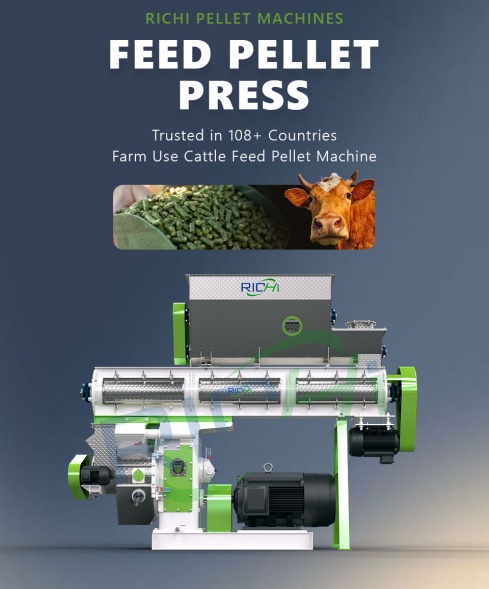
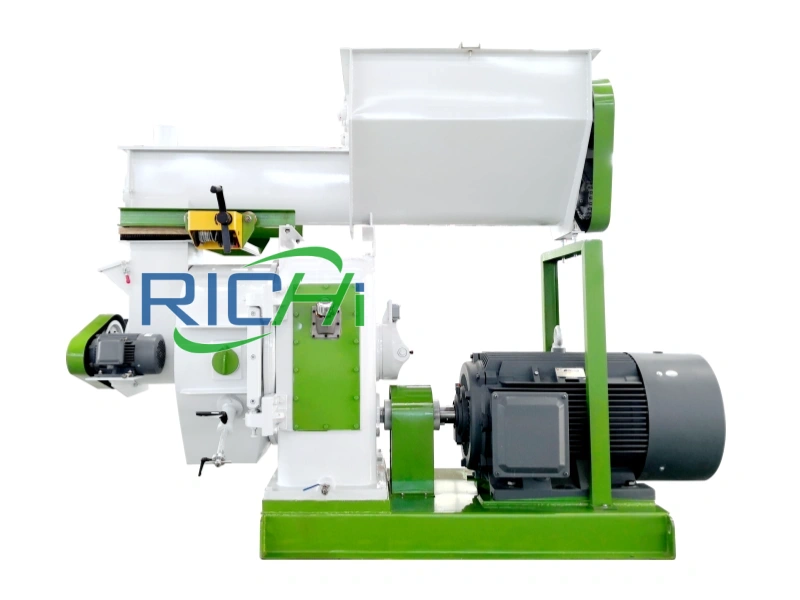
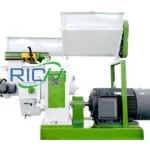
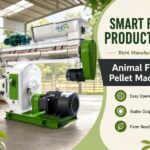
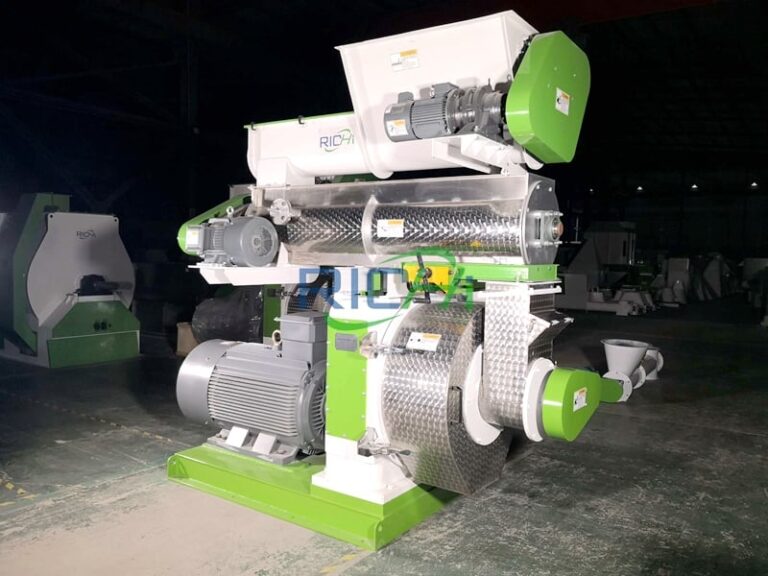
At the heart of every wood cat litter manufacturing line is the pellet maker, which compresses processed wood fibers into uniform pellets. For wood-based litter production, ring die pellet mills are specifically designed to process fibrous materials without the conditioning systems required for tofu or starch-based products. The MZLH series models are optimized for dry granulation of wood and paper cat litter, offering capacities ranging from 0.2 to 4.0 tons per hour with ring die inner diameters from 320 to 768 millimeters .
The pellet maker operates on the principle of forcing prepared material through a rotating ring die under high pressure. During this process, the wood’s natural lignin acts as a binder, eliminating the need for chemical additives. Available models produce finished pellets with diameters of 4–12 millimeters, suitable for various market applications. Key features include high-accuracy gear drives with approximately 20% higher output than belt drives, Swiss and Japanese bearings for efficient operation, and frequency-conversion speed control for quality assurance . The MZLH420 model, for example, offers a capacity of 1.0–1.2 tons per hour with a 90 kW main motor, producing pellets that balance absorption performance with structural integrity .
Flushable Cat Litter Processing Line Integration
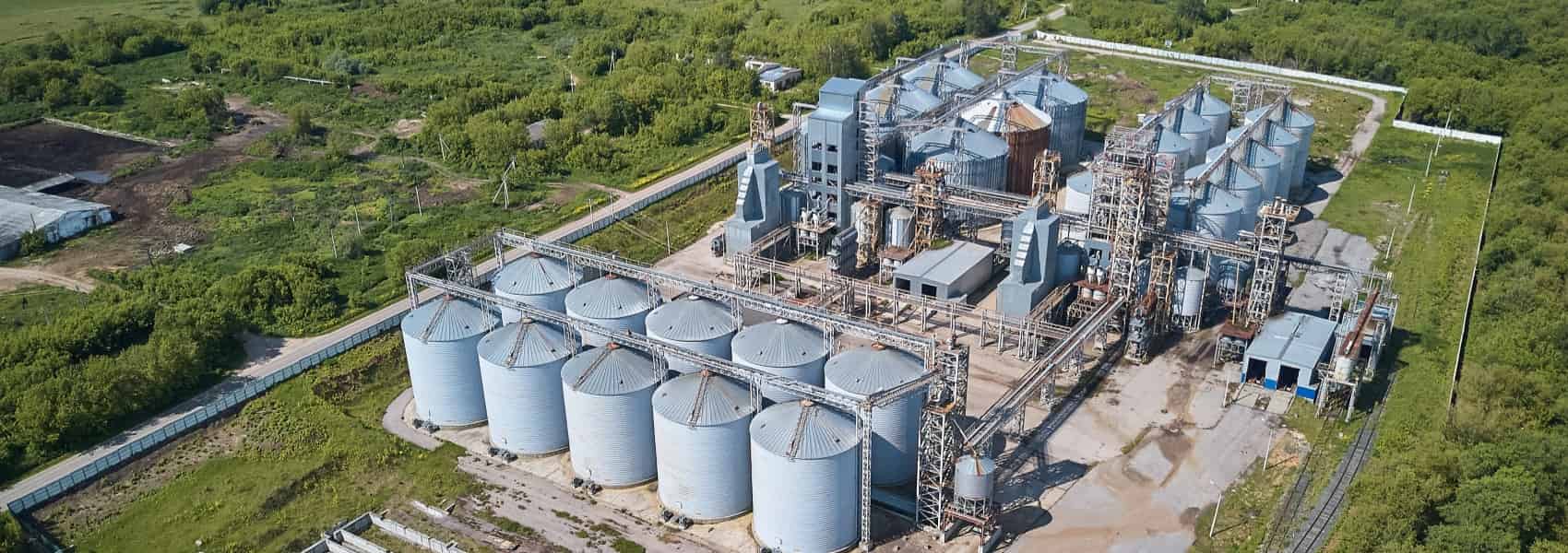
A comprehensive flushable cat litter processing line integrates multiple stages beyond the pellet maker to ensure consistent product quality and flushable characteristics. The typical process flow includes raw material preparation, drying, pelletizing, cooling, screening, and packaging. Modern lines from experienced manufacturers have been installed in cat litter plants across more than 80 countries, supporting capacities from 1 to 40 tons per hour .
Raw Material Preparation
The production journey begins with wood material collection and preparation. Quality wood cat litter starts with kiln-dried pine or other softwood fibers sourced from sustainable forests. The material is ground to a consistent particle size using hammer mills, with dust extraction performed prior to pelleting to ensure the softened fiber remains low in dust while maintaining high absorbency .
Pelletizing and Moisture Control
The pellet maker stage is where the actual wood pellets take shape. The prepared wood powder is fed into the ring die pellet mill, where it is compressed into continuous extrusions cut to uniform length. For flushable formulations, the total moisture content of the finished product must be maintained below 8% to ensure stability and prevent degradation . The extrusion process generates significant heat, so pellets are transported to cooling systems immediately after formation.
Drying and Cooling Systems
Freshly formed wood pellets contain elevated moisture that must be reduced to ensure product stability and flushable performance. Continuous belt dryers gently remove moisture without compromising pellet integrity. Following drying, counter-flow coolers reduce pellet temperature to ambient levels, preventing condensation during packaging and improving pellet hardness. The cooling process naturally brings the final moisture content to an optimal stable level .
Screening and Quality Assurance
Vibrating screens separate finished wood cat litter from fines and oversized particles, with rejected material typically recycled back into the production process. Screening ensures the pellets meet consumer expectations for uniform size and consistent performance. For flushable products, screening also removes particles that might not break down properly in plumbing systems.
Successful Implementation Examples
Experienced manufacturers have successfully installed wood cat litter production lines across multiple regions. In Germany, a medium-sized eco-friendly pet care manufacturer purchased two sets of ring die plant fiber pellet machines to process agricultural fibers and recycled organic materials into premium biodegradable cat litter pellets. The project utilized MSZLH420 models with 110 kW main motors, producing 10-12 tons per hour of 4-6 mm pellets for supermarket chains and private-label distributors .
The customer selected conditioner-equipped models because the mixed plant fibers—including wheat straw, hemp hurd, and recycled paper pulp—required precise moisture and binder distribution before pelletizing. The production line achieved consistent product quality meeting European market standards for flushable litter products .
Quality Standards and Environmental Benefits
Quality control measures are implemented throughout the production process to ensure wood cat litter meets strict specifications. Key quality parameters include pellet hardness (minimum 95% durability rating), moisture content maintained below 8%, and absorption capacity meeting consumer expectations. The natural organic materials used in production are non-toxic and fully biodegradable, allowing the product to be disposed of in any standard manner or even used as compost. Wood cat litter is flushable, and because of its re-wetting action and rapid absorption rate, may be flushed immediately upon deposit in the toilet .
Summary
Investing in wood cat litter production with a comprehensive flushable cat litter processing line offers manufacturers a strategic opportunity in growing sustainable pet products markets. The combination of advanced pellet maker technology with integrated drying, cooling, and screening systems delivers consistent quality and operational efficiency. For detailed specifications and project examples, you can try these out for comprehensive manufacturing solutions tailored to specific capacity requirements and raw material sources.
Check the details: https://www.richimanufacture.com/cat-litter-pellet-machine/